
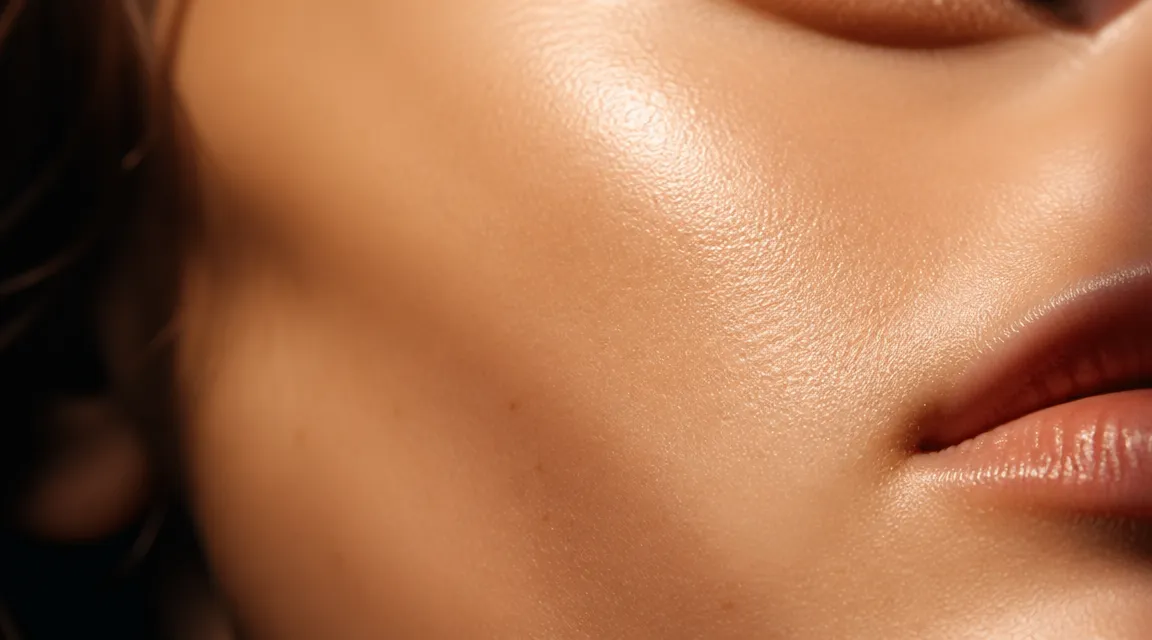
What causes large pores — and how to minimize them: a 2026 guide
Large pores are mostly a genetics and sebum problem — you cannot permanently shrink them, but the right routine makes them significantly less visible within eight to twelve weeks. The key is addressing what actually makes pores look enlarged: excess oil, clogged debris, loss of collagen, and UV-driven skin laxity.
This article contains affiliate links. If you buy through them, PDRN.AI earns a small commission at no extra cost to you. See our affiliate disclosure.
What pores actually are
A pore is the opening of a hair follicle. Every follicle contains a sebaceous gland, and sebum — the skin’s natural oil — travels up through that opening to reach the surface. Pores are not “open” or “closed.” They do not have muscles. They are fixed structural openings, and their visible size depends on how much sebum is flowing through them, how much debris is lodged inside, and how well the surrounding skin is supporting them with collagen and elastin.
This matters because a vast portion of pore-related marketing is built on the fiction that pores open and close with steam or cold water. They do not. Steam softens oxidised plugs so they express more easily — cold water does nothing to pore diameter. Understanding this distinction will help you cut through the noise and focus on approaches that actually work.
The four real causes of enlarged-looking pores
Dermatological research consistently identifies four mechanisms behind visible pore size:
- Genetics and sebum production. If your parents have oily skin and visible pores, you likely will too. Sebaceous gland activity is largely determined by androgen receptor density, which is inherited. High sebum output distends pore walls over time, stretching them wider.
- Clogged pores and sebaceous filaments. Oxidised sebum, dead skin cells, and environmental debris accumulate inside follicles. This plug makes the opening look larger because it fills the channel and pushes outward. On the nose and chin, these appear as the classic grey dots often mistaken for blackheads.
- Collagen loss with age. Collagen and elastin fibres surround each follicle like a scaffold. As collagen degrades — typically starting in the mid-twenties — that support structure weakens. Without it, pore walls sag and the opening looks larger, independent of sebum output.
- UV-induced skin laxity. Chronic sun exposure accelerates collagen breakdown and reduces skin elasticity. Studies demonstrate that UV-damaged skin shows significantly larger pore diameters compared to sun-protected skin of the same age — which is why SPF is non-negotiable in any pore-minimising routine.
The trap most people fall into
The most common pore-related mistake is confusing cosmetic coverage with actual improvement. Pore-filling primers and blurring powders create an optical illusion of smoother skin under makeup — but they do nothing to the underlying biology. Wear them if you like, but they are not treatment.
The second mistake is aggressive cleansing with physical scrubs. Scrubbing triggers a rebound sebum response: the skin reads surface stripping as a threat and upregulates oil production to compensate. Dermatologists consistently observe that patients with the most aggressive cleansing habits often have the most visible pores, not fewer.
Pore strips fall into similar territory. They do remove the tops of sebaceous filaments — providing a satisfying short-term result — but filaments regenerate within days, and repeated adhesive pulling can stretch the follicle opening over time. They are not a long-term strategy.
The single most effective combination for visible pores is a BHA exfoliant two to three times per week, niacinamide at 5% daily, and SPF every morning. Everything else is secondary.
How to minimize pores: the correct routine
The following sequence addresses each of the four mechanisms above. It requires consistency over eight to twelve weeks to see meaningful change — but the results are real.
- Double cleanse at night. An oil or balm cleanser dissolves sebum, sunscreen, and the oxidised plug material inside follicles. Follow with a gentle water-based cleanser. This step alone visibly reduces the dark appearance of sebaceous filaments within two to three weeks. Our guide to the Korean double-cleansing ritual covers technique and product picks.
- Apply a BHA exfoliant 2-3 nights per week. Salicylic acid (beta-hydroxy acid) is lipid-soluble — it penetrates into the oil-filled follicle and dissolves the sebum plug from inside. This is the only topical ingredient that directly addresses congestion at the source. Use it after cleansing on non-retinoid nights.
- Use niacinamide daily. Niacinamide at 4-5% concentration reduces sebum production over 8-12 weeks and clinical research shows measurable improvement in pore appearance at this concentration. It also strengthens the skin barrier. Our niacinamide deep dive explains the mechanisms in full.
- Introduce a retinoid 2-3 nights per week. Retinoids are the gold standard for collagen stimulation and cell turnover. They address the collagen-loss mechanism directly, supporting the follicle wall scaffold. Start with a low concentration and increase slowly over 8-12 weeks, alternating retinoid nights with BHA nights.
- Wear broad-spectrum SPF 30+ every morning. Sunscreen prevents further collagen degradation from UV exposure, preserving the structural support around each follicle. No pore-minimising routine is complete without it.
These picks address the core mechanisms — sebum regulation, congestion clearance, and collagen support — at accessible price points.
EDITORIAL PICK
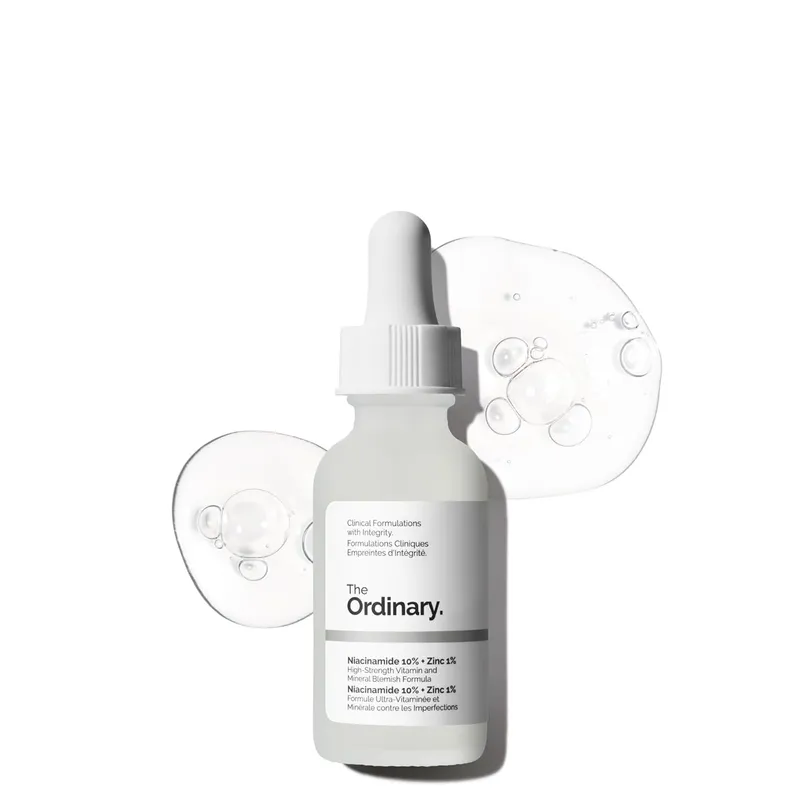
The Ordinary Niacinamide 10% + Zinc 1%
4.5 ★ · 53,183 Amazon reviews
The workhorse for sebum regulation and pore appearance. Ten percent niacinamide with zinc targets oil production and visible pore size simultaneously, with over 53,000 Amazon reviews validating its reputation. Use morning and evening after cleansing, before moisturiser.
EDITORIAL PICK
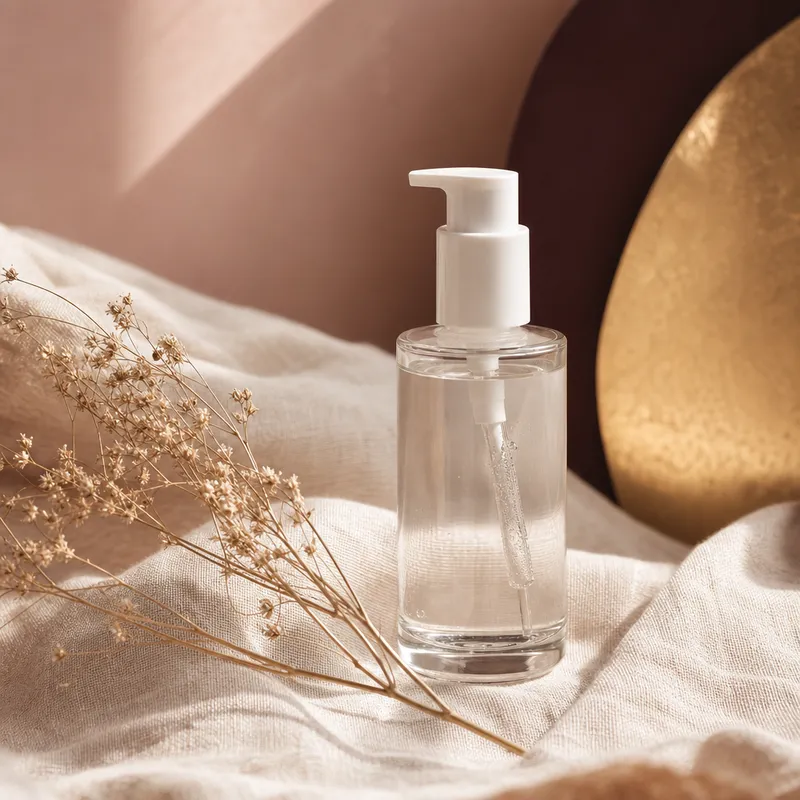
Revison Skincare Radiance Resurfacing Serum
4.3 ★
A BHA-based resurfacing serum that penetrates the follicle to dissolve congestion from inside — the mechanism pore strips cannot reach. Use two to three nights per week after cleansing. Expect mild initial flaking as cell turnover accelerates in the first two to three weeks.
EDITORIAL PICK
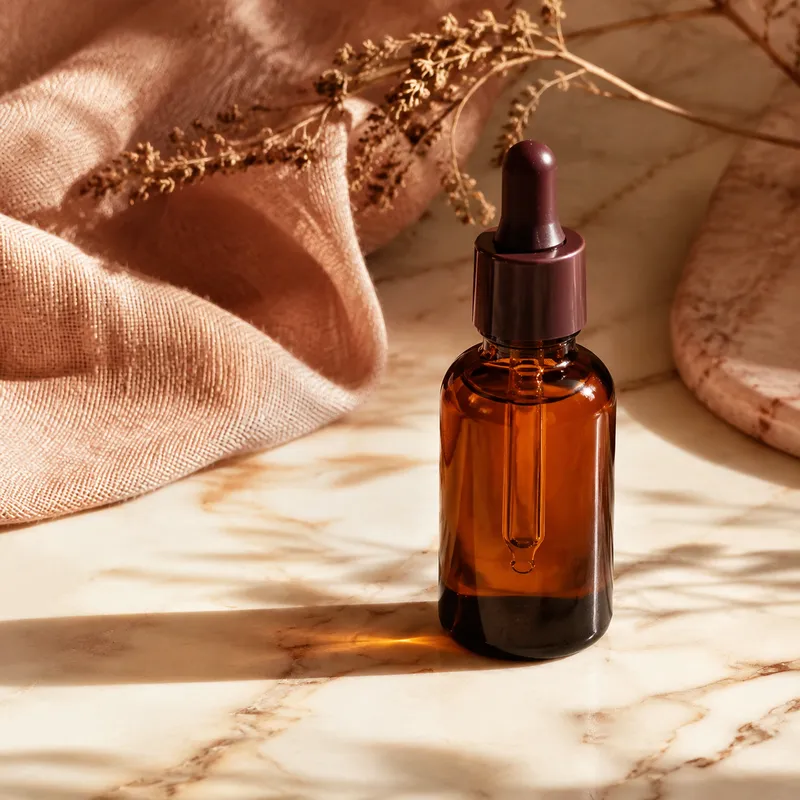
The Ordinary Retinal 0.2% Emulsion
4.3 ★ · 17,656 Amazon reviews
Retinal converts to retinoic acid on the skin faster than retinol — making it more potent at stimulating collagen and accelerating cell turnover. At 0.2%, this is a high-performance starting point for pore refinement and skin texture. Use two to three nights per week, alternating with the BHA.
What the realistic timeline looks like
Pore appearance responds to consistent routines on a biological timeline. Dermatological evidence suggests the following progression:
- 2-3 weeks: Double cleansing visibly reduces the dark appearance of sebaceous filaments as oxidised plugs are progressively dissolved.
- 4-6 weeks: Niacinamide at 5% begins to reduce sebum output; pores look less distended as oil production decreases.
- 8-12 weeks: BHA use at 2-3× per week produces measurable reduction in visible pore diameter as congestion clears consistently.
- 3-6 months: Retinoid-driven collagen stimulation visibly supports follicle walls; combined with niacinamide and BHA, pore refinement is at its most significant.
The routine works — but abandoning it at week three because results are not yet visible is the most common reason people cycle through product after product without improvement.
When topicals reach their limit
If you have been consistent with the above routine for three to four months and results feel minimal, you may have reached the ceiling of what over-the-counter products can do. Genetics plays a significant role: individuals with genetically high androgen receptor density produce more sebum regardless of niacinamide use, and their baseline pore size will always be larger. In these cases, in-clinic options — fractional laser, radiofrequency microneedling, or dermatologist-prescribed retinoids — can produce more structural change than retail skincare alone.
Common questions
Can you permanently shrink your pores?
No — pore size is a structural feature determined by genetics, and you cannot permanently reduce follicle diameter with topical products. What you can do is significantly reduce their appearance by clearing congestion with BHA, reducing sebum production with niacinamide, supporting collagen with retinoids, and preventing UV damage with daily SPF. The improvement is real, but it requires ongoing maintenance to sustain.
Does niacinamide actually reduce pore size?
Clinical research shows that niacinamide at 4-5% concentration reduces sebum production and measurably improves the appearance of pore size over 8-12 weeks of consistent use. It does not physically alter follicle diameter, but by reducing the oil flow that distends pore walls, it makes pores look notably smaller. The effect is real — but requires daily use for at least two months before results become visible.
Are pore strips actually useful?
Pore strips mechanically remove the tips of sebaceous filaments, providing a satisfying short-term result — the skin looks smoother immediately after use. However, filaments regenerate within two to four days, and the repeated adhesive pulling can stretch follicle openings over time. For addressing the congestion that makes pores look enlarged, a BHA exfoliant used consistently is a more effective and less damaging long-term approach.
How long does it take to see results with BHA for pores?
Most people notice a visible reduction in pore congestion and appearance within four to eight weeks of using a BHA product two to three times per week. The first few weeks often involve some purging as the acid clears existing debris from follicles. Consistent use — rather than aggressive overuse — produces better long-term results, especially when combined with daily niacinamide to address sebum production simultaneously.