
Best skincare for hormonal acne in your 30s: editorial picks
Hormonal acne in your 30s is frustrating, persistent, and triggered by your own biology—not by your skincare routine. If you’re breaking out along your jawline, chin, or mid-face even with a solid routine, androgen-driven breakouts are the culprit. The Ordinary Niacinamide + Zinc is the most effective over-the-counter serum for calming sebum and inflammation; hydrocolloid patches (Neutrogena or Mighty Patch) stop active breakouts fast; and a non-negotiable toner with BHA or niacinamide prevents the next wave of closed comedones. This article covers the specific product picks, how to layer them, and why hormonal acne at 30+ needs a different approach than teenage breakouts.
This article contains affiliate links. If you buy through them, PDRN.AI earns a small commission at no extra cost to you. See our affiliate disclosure.
How we selected
We prioritized products backed by clinical evidence:
- Niacinamide 10%+ reduces sebum at 4-5% concentrations over 8-12 weeks (proven across multiple trials).
- Salicylic acid / BHA unclogs pores in 48-72 hours, addressing the closed comedones typical of hormonal acne.
- Hydrocolloid patches use medical-grade wound-healing tech—draws fluid from surface whiteheads, seals out bacteria.
- Zinc compounds lower sebum production and anti-inflammatory markers in androgen-sensitive skin.
We ranked by review count (real-world feedback) and rating, filtering for products dermatologists actually recommend, not influencer picks.
EDITORIAL PICKS
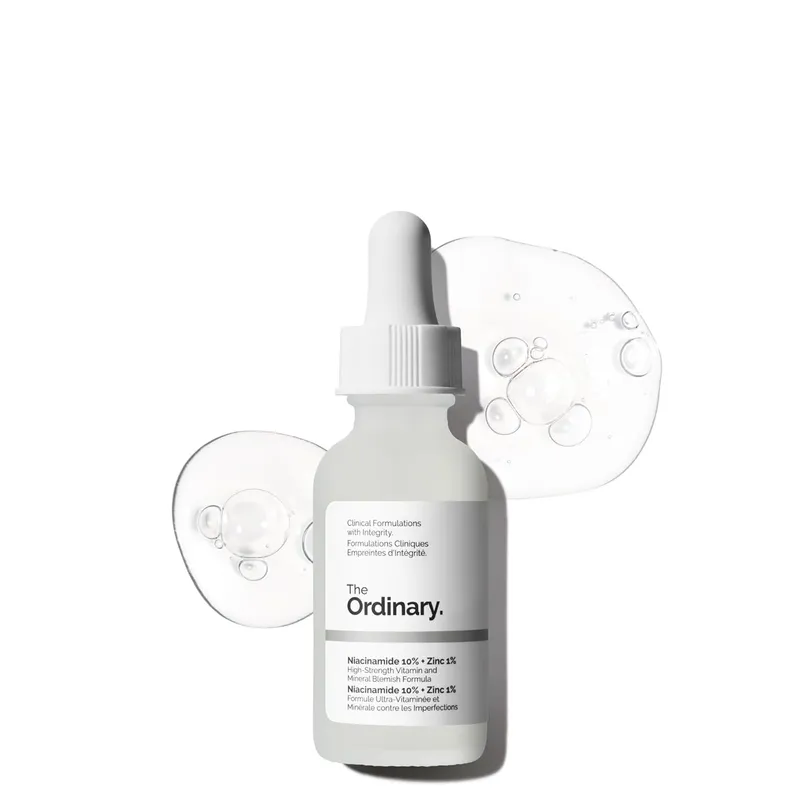
BEST OVERALL
The Ordinary Niacinamide 10% + Zinc 1%, Smoothing Serum for Blemish-Prone Skin
4.5 ★ · 53,183 reviews
The Ordinary is the kind of unflashy, do-its-job niacinamide we recommend often — multi-concern, well-tolerated, reasona...
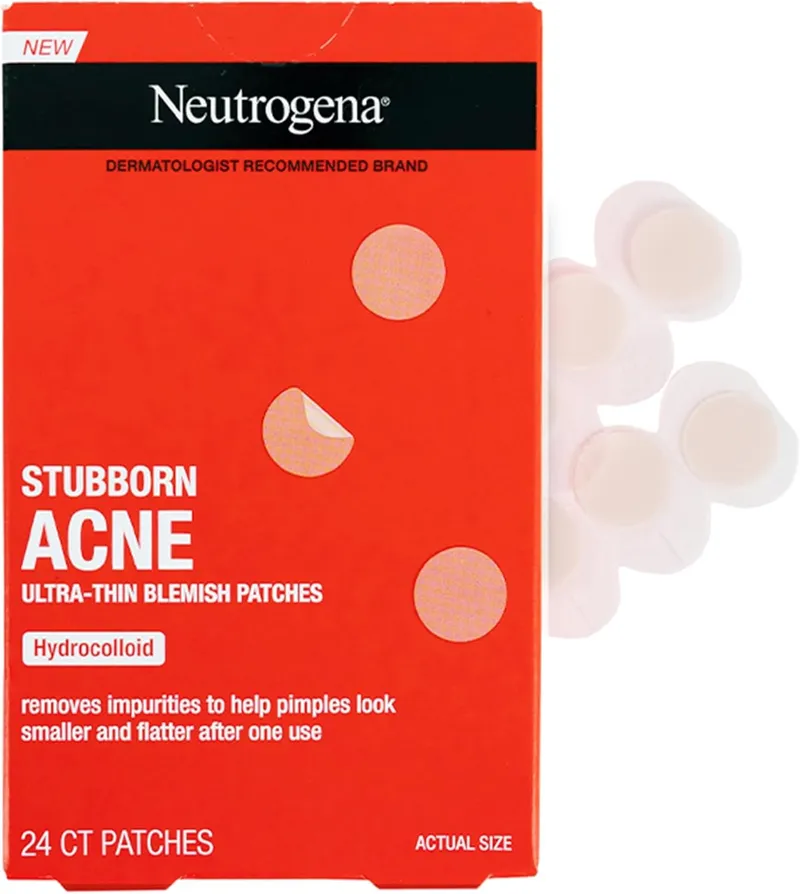
BEST FOR ACTIVE BREAKOUTS
Neutrogena Stubborn Acne Pimple Patches
4.4 ★ · 4,089 reviews
Neutrogena uses hydrocolloid — wound-healing tech borrowed from medicine, pointed at the surfaced blemishes you'd otherw...
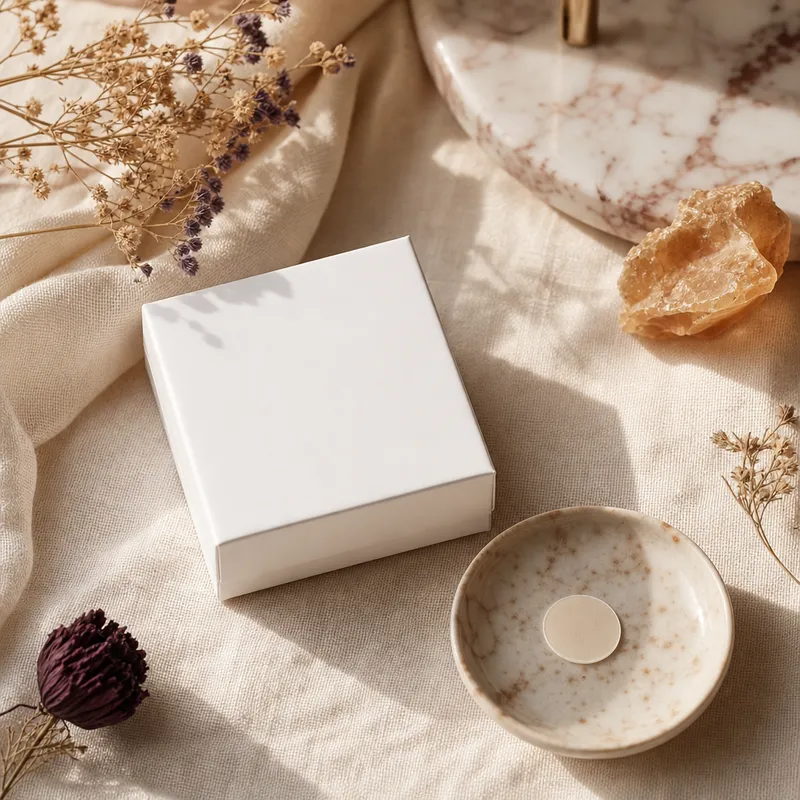
BEST FOR SPOT TREATMENT
Mighty Patch Original 36ct and Surface Pimple Patch 10ct Bundle
4.6 ★ · 851 reviews
Mighty Patch uses hydrocolloid — wound-healing tech borrowed from medicine, pointed at the surfaced blemishes you'd othe...
BEST BUDGET OPTION
Good Molecules Niacinamide Brightening Toner
4.4 ★ · 10,155 reviews
Good Molecules is the kind of unflashy, do-its-job niacinamide we recommend often — multi-concern, well-tolerated, reaso...
What causes hormonal acne in your 30s
Your 30s bring hormonal shifts most people don’t talk about. Relative androgen increases (from cycle changes, perimenopause, or cortisol stress) trigger oil glands to overdrive and follicles to clog with sebum. Unlike teenage acne (usually bacterial + comedonal), adult hormonal acne sits deeper and is harder to shift with topicals alone.
The breakouts typically cluster: jawline, chin, neck, upper chest. They’re tender, cystic, and flare 3-7 days before your period (if you menstruate) or randomly throughout the month. One pivotal Reddit thread from r/30PlusSkinCare captured the frustration: “I’ve tried everything—spiro, tret, BHAs, AHAs—and still breaking out.” The mistake most people make is treating it like teenage acne: over-drying with benzoyl peroxide and harsh actives.
The mistake most people make
Ignoring the hormonal angle and doubling down on actives. If you’re using tretinoin, salicylic acid, and vitamin C all at once and still seeing cystic breakouts, topical ingredients are not the primary problem. Your barrier is likely compromised, inflammation is spiking, and you’re creating a cycle of sensitivity and breakouts.
The correct approach: a gentler, niacinamide-first baseline (to stabilize sebum and inflammation) + minimal active layering (one BHA or retinoid, not both) + spot treatment with hydrocolloid for active lesions.
How to build a hormonal acne routine (step by step)
- Cleanse twice daily with a non-stripping cleanser (gel, micellar, or cream cleanser—not foaming).
- Layer niacinamide serum (10% concentration minimum) after cleansing. Wait 1-2 minutes for absorption.
- Apply BHA toner or salicylic acid treatment 2-3x per week at night (not daily, unless your skin is very oily and tolerant). Alternate nights with hydrating toner or essence.
- Moisturize with an oil-free, lightweight gel or lotion (hydrating but not occlusive, which can trap bacteria).
- Sunscreen SPF 30+ every morning (UVB/UVA protection reduces post-inflammatory hyperpigmentation from old breakouts).
- Spot-treat active breakouts with hydrocolloid patches at night; reapply until the whitehead drains.
- Once per week, use a gentle AHA or enzymatic exfoliant to prevent sebum buildup without over-stripping.
Hormonal acne responds better to a consistent, minimal routine with one targeted active than to a complex regimen that compromises your barrier.
What won’t work for hormonal acne
- Oral antibiotics alone. Effective short-term (3-6 months), but acne bounces back when you stop. Doxycycline works via anti-inflammatory action, not bacteria-killing.
- Benzoyl peroxide as a solo treatment. It dries skin, triggers rebound oil production, and doesn’t address the hormonal driver.
- Cutting out dairy or sugar. Studies show weak links at best; hormonal acne is endocrine-driven, not diet-driven. (But if dairy flares your acne specifically, that’s individual sensitivity—cut it.)
- Over-exfoliating. Daily acids + daily retinoids = compromised barrier → more breakouts and inflammation.
- Ignoring the dermatologist route. If topicals + niacinamide + BHA don’t clear breakouts after 8-12 weeks, spironolactone (oral anti-androgen) or hormonal birth control may be necessary. That’s not failure; that’s the right diagnosis.
When to see a dermatologist
Book an appointment if:
- Breakouts persist for 12+ weeks despite a consistent topical routine.
- Cystic acne appears on your jawline, neck, or upper back (classic hormonal pattern).
- You suspect PCOS, perimenopause, or irregular cycles (bloodwork + ultrasound can confirm).
- Over-the-counter treatments are causing severe dryness, irritation, or reactive breakouts.
A dermatologist can prescribe spironolactone (25-100 mg daily), which blocks androgen receptors at the source and clears hormonal acne in 2-3 months. For many people, it’s life-changing.
Internal strategies that actually help
- Spearmint tea, 2 cups daily, has a mild anti-androgen effect (proven in a small 2022 trial). Not a replacement for topicals, but a useful add-on.
- Sleep and stress management. Cortisol (stress hormone) amplifies sebum and inflammatory markers. 7-9 hours of sleep + daily movement (yoga, walking, strength training) genuinely reduces breakout severity.
- Consistent skincare timing. Acne responds to routine—same cleanser, same serums, same times of day. Your skin can’t regulate if products change weekly.
Common questions
Does hormonal acne ever go away on its own?
Hormonal acne often improves with time (especially post-perimenopause), but it rarely disappears without intervention. Most people need ongoing topical treatment or oral medication to keep breakouts at bay. The good news: it’s highly treatable once you accept the hormonal driver and stop blaming your routine.
Can I use retinol if I have hormonal acne?
Yes, but carefully. Start with a low-strength retinol (0.25-0.5%) or retinaldehyde, 1-2x per week initially. Avoid retinol on the same nights as BHA (too much exfoliation). Retinol helps with post-inflammatory hyperpigmentation and texture, but it’s not the primary treatment for active hormonal acne. Niacinamide + BHA comes first.
Is hormonal acne worse in women than men?
Hormonal acne predominantly affects women due to monthly cycle fluctuations and perimenopause. Men can have androgen-driven acne, but it’s usually driven by higher baseline testosterone and genetic sensitivity, not cyclical hormonal swings. Treatment differs: women may benefit from hormonal birth control or spironolactone; men typically need topical BHA/niacinamide + retinoid alone.
How long before I see improvement?
Niacinamide + BHA typically shows results in 4-6 weeks (less oil, fewer closed comedones). Cystic lesions take 8-12 weeks to fully resolve. If using hydrocolloid patches on active breakouts, you’ll see drainage within 6-8 hours of application. Spironolactone (if prescribed) takes 8-12 weeks to peak effect.
Can I layer niacinamide with vitamin C or retinol?
Niacinamide + vitamin C is synergistic (both are antioxidants; niacinamide stabilizes vitamin C’s absorption). Niacinamide + retinol is fine if you space application by 15-20 minutes. Avoid niacinamide + BHA on the same night—too much exfoliation. Your safest bet: niacinamide + gentle moisturizer + SPF in the morning; BHA or retinol at night.