
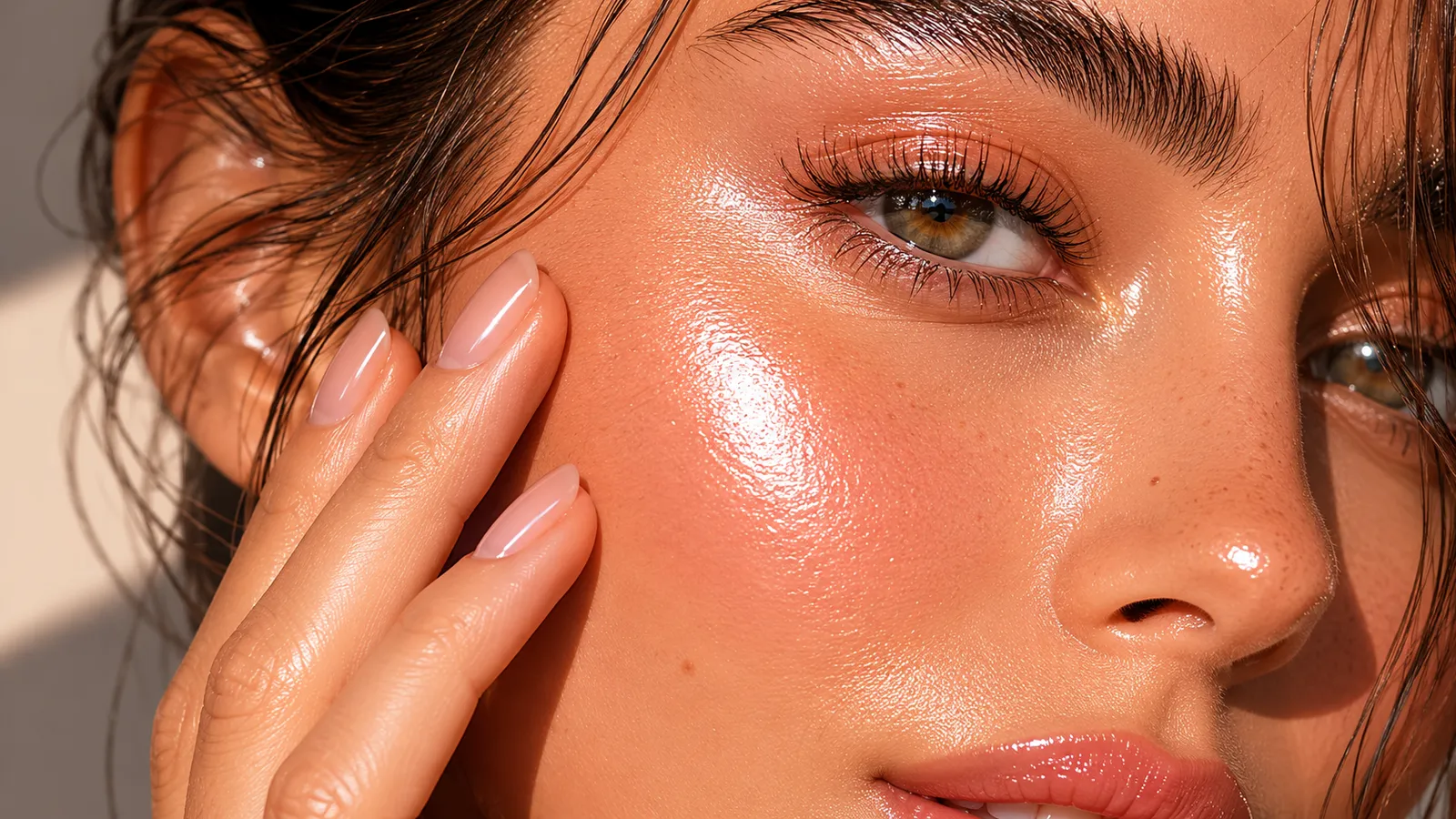
Dark spots are evidence of melanin overproduction—your skin’s emergency alarm system in response to damage. Whether from sun exposure, hormones, acne scarring, or aging, the solution isn’t a single product. It’s a deliberate 12 to 16-week routine layering evidence-backed ingredients in the right order, combined with aggressive sun protection. Here’s exactly how to fade dark spots at home without dermatology visits.
What actually causes dark spots
Dark spots, or hyperpigmentation, occur when melanocytes (skin cells that produce melanin) become overactive in a localized patch. This isn’t random—it’s a protective response to stress. The most common triggers:
- Sun exposure (UV damage) — The most common cause. Even brief, unprotected sun exposure triggers melanin production as a defense mechanism.
- Post-inflammatory hyperpigmentation (PIH) — Dark marks left behind after acne, eczema flares, or skin trauma heal.
- Hormonal fluctuations — Estrogen shifts during pregnancy, oral contraceptives, or perimenopause can trigger melasma-type patches, especially in deeper skin tones.
- Aging and cumulative sun damage — Over decades, UV exposure creates uneven pigmentation clusters (age spots or solar lentigines).
- Medication side effects — Certain antibiotics or antimalarial drugs can increase photosensitivity, accelerating dark spots in sun-exposed areas.
The core truth: Hyperpigmentation is fundamentally a sun protection failure layered with specific skin cell signaling. You cannot fade dark spots while continuing to cause new ones.
The ingredients that actually work
No single ingredient fades dark spots. The science supports a combination approach targeting melanin production at multiple stages:
- Niacinamide (vitamin B3) — 4-5% concentration reduces sebum production and has been shown to inhibit melanosome transfer (the process that deposits melanin into skin cells). Use for 8-12 weeks minimum for measurable lightening on non-inflammatory spots.
- Azelaic acid — 10-20% concentration is evidence-backed for post-inflammatory hyperpigmentation and melasma. It works by downregulating tyrosinase (the enzyme that creates melanin) and is particularly effective on deeper skin tones. Expect visible fading in 8-12 weeks with consistent use.
- Vitamin C (L-ascorbic acid) — 10-15% concentration at pH 3.5 or lower has antioxidant and anti-tyrosinase properties. Most effective when stabilized and combined with other brightening actives. Results show in 10-12 weeks.
- Tranexamic acid — 2-3% concentration reduces melanin and inflammatory responses. Works synergistically with vitamin C and is gentler for sensitive or reactive skin. Timeline: 10-16 weeks.
- Hydroquinone — 2-4% concentration (OTC) or 4% (prescription) is the gold standard prescribed by dermatologists but should be cycled (3 months on, 1 month off) to avoid rebound hyperpigmentation. Requires medical oversight if used at prescription strength.
- Retinoids (retinol, retinal, tretinoin) accelerate cell turnover, speeding fading of surface-level dark spots. At 0.3% retinol concentration, expect 12-16 weeks. Tretinoin (prescription) works faster but requires dermatologist monitoring.
- Sunscreen — SPF 30+, mineral or chemical is non-negotiable. Without it, new spots form while you fade old ones. Reapply every 2 hours in sun.
The 12 to 16-week routine (morning and evening)
Dark spot fading requires consistency. This routine layers brightening actives with protective and hydrating steps. Adjust based on your skin type and sensitivity.
Morning routine
- Step 1: Gentle cleanser — Use a pH-balanced or slightly acidic cleanser (pH 4.5-5.5). Avoid harsh scrubs or hot water.
- Step 2: Hydrating toner or essence — Apply while skin is still damp. This preps for active absorption.
- Step 3: Niacinamide serum (4-5%) — Wait 1 minute for toner to dry. Niacinamide is stable in the morning and supports skin barrier repair.
- Step 4: Lightweight moisturizer — Lock in hydration without heaviness. This is critical for maintaining skin barrier integrity while using actives.
- Step 5: Sunscreen (SPF 30+ mineral or chemical) — Non-negotiable. Reapply every 2 hours if outdoors. This is your dark spot prevention.
Evening routine
- Step 1: Oil cleanser or makeup remover — Remove sunscreen, makeup, and oil-soluble impurities.
- Step 2: Water-based cleanser — Double cleanse to remove all residue.
- Step 3: Hydrating toner or essence — Apply to damp skin.
- Step 4: Brightening active (rotate or layer) — Choose one evening approach:
- Option A (Vitamin C + Tranexamic Acid): Apply vitamin C serum (10-15% L-ascorbic acid), wait 3-5 minutes, then apply tranexamic acid. This duo is evidence-backed for dark spots and synergistic.
- Option B (Azelaic Acid): Apply 10-20% azelaic acid serum or cream directly. Wait 10 minutes before moisturizer if using a lightweight formula.
- Option C (Retinoid rotation, 2-3x per week): Start with 0.25-0.3% retinol, increase to 0.5-1% over 6 weeks as tolerance builds. Use on alternate nights, never with other actives.
- Step 5: Moisturizer — Use a richer formula at night. Actives can temporarily compromise barrier function; moisturizer repairs it.
- Step 6: Optional overnight mask or facial oil — Add a hydrating or barrier-repair mask 1-2x per week if using strong actives nightly.
Typical 12-week progression: Weeks 1-4 introduce actives slowly, gauge tolerance. Weeks 5-8 increase concentration or add retinoid rotation. Weeks 9-12 assess visible fading on surface spots; deeper spots may need 14-16 weeks.
What to avoid in your dark spot routine
- Skipping sunscreen or using inadequate SPF — This is the single biggest mistake. You’re erasing damage while creating new spots simultaneously. SPF 30 minimum, reapply every 2 hours in sun.
- Layering all actives at once — Vitamin C + azelaic acid + retinoid in one routine risks irritation, barrier damage, and slower healing. Choose one per routine or use on alternate nights.
- Expecting fast results — Melanin-filled cells take weeks to migrate and shed. Even prescription hydroquinone requires 8-12 weeks of consistent use.
- Using single-ingredient spot treatments as your only approach — A vitamin C brightener alone won’t fade melasma. Combination therapy (brightening + retinoid + sunscreen) is evidence-standard.
- Continuing inflammatory skin issues (untreated acne, eczema flares) — Active inflammation triggers new post-inflammatory hyperpigmentation. Address the underlying condition first.
- Over-exfoliating — Physical scrubs and daily acid exfoliation worsen irritation and barrier damage. If using active treatments, limit additional exfoliation to 1x per week maximum.
- Switching products every 2 weeks — Skin cell turnover takes 4-6 weeks. Give each routine 8-12 weeks before evaluating.
The reality: Dark spots fade slowly because they’re deep in the skin and protected from surface-level treatments. Patience and consistency matter more than product strength.
How long it actually takes
Dark spot fading follows predictable timelines based on depth and cause:
- Surface-level post-inflammatory hyperpigmentation (recent acne scars) — 8-10 weeks with consistent brightening actives + sunscreen.
- Moderate sun spots or age spots — 12-16 weeks with combination actives (niacinamide + vitamin C + retinoid rotation).
- Deep melasma or chronic hyperpigmentation — 16-24 weeks or longer. Many cases require prescription hydroquinone or professional laser treatment.
- First visible signs of fading — Most people see subtle lightening in 6-8 weeks with a solid routine.
The timeline also depends on:
- Your starting point: Older dark spots (years old) fade slower than recent ones.
- Skin tone: Darker skin tones may show slower visible fading on dark spots due to higher baseline melanin, though the spots are technically lightening.
- Active concentration and consistency: Using 4% niacinamide daily shows faster results than 2% used sporadically.
- Continued sun exposure: Unprotected sun accelerates new spots while slowing fade of old ones.
The realistic expectation: 30-50% visible lightening in 12-16 weeks with a solid routine. Complete disappearance often requires dermatology intervention (laser, microdermabrasion) or extended treatment (24+ weeks).
Common questions
Can dark spots disappear without treatment?
Not significantly. Surface cells containing melanin shed naturally over 4-6 weeks, but deep melanin deposits are structural—they don’t spontaneously fade. Old dark spots can persist for years without intervention. Aggressive sun protection slows new spot formation but doesn’t reverse existing spots.
Is niacinamide or vitamin C better for dark spots?
Neither alone is sufficient—they work synergistically. Niacinamide (4-5%) addresses melanin transfer and barrier function. Vitamin C (10-15% L-ascorbic acid) is a potent antioxidant and tyrosinase inhibitor. Together, they target multiple steps in melanin production and deposition. Use both in your routine for faster results than either alone.
Should I use azelaic acid if I have oily or acne-prone skin?
Yes. Azelaic acid is particularly effective for post-inflammatory hyperpigmentation and oily skin. At 10-20% concentration, it both addresses dark spots and reduces sebum production. It’s also gentler than other actives for sensitive or rosacea-prone skin. Start with 10% and increase to 20% after 4 weeks if tolerance is good.
Can retinoids fade dark spots faster?
Yes, but not without trade-offs. Retinoids (retinol, retinal, tretinoin) accelerate cell turnover, speeding surface-spot fading. However, they’re irritating in high doses and require strict sunscreen adherence (retinoid + sun exposure = new spots). Start at 0.25-0.3% retinol, use 2-3x per week, and combine with brightening actives for best results.
Internal reading: For more on retinoid science, see our retinol vs retinal vs tretinoin comparison. For niacinamide’s broader role in skincare, read why niacinamide is having a moment. Learn more about the double cleanse ritual that preps skin for active absorption.