
What are peptides in skincare?
Peptides are short chains of amino acids that act as messengers in your skin, signalling fibroblasts to produce more collagen and elastin. They’ve become the fastest-growing category in anti-aging skincare over the past three years — but the hype often outpaces the science. Here’s what peptides actually do, what they won’t do, and how to use them correctly.
This article contains affiliate links. If you buy through them, PDRN.AI earns a small commission at no extra cost to you. See our affiliate disclosure.
EDITORIAL PICKS
BEST OVERALL
goop Beauty Peptide Serum
4.2 ★ · 17,297 reviews
This peptide serum sits in the peptide lane — the fastest-growing category in skincare, with formulas that signal skin t...
BEST VALUE
Peptide Serum 1.01 fl oz, with Advanced Bio-Tech Peptides, Visibly Firms, Plumps
4.2 ★ · 8,661 reviews
Peptide bets on peptides for firming and texture, a story that builds slowly over eight to twelve weeks. Use morning or ...
VERSATILE CHOICE
Naturium Multi-Peptide Advanced Serum, Firming
4.1 ★ · 107 reviews
Naturium bets on peptides for firming and texture, a story that builds slowly over eight to twelve weeks. Use morning or...
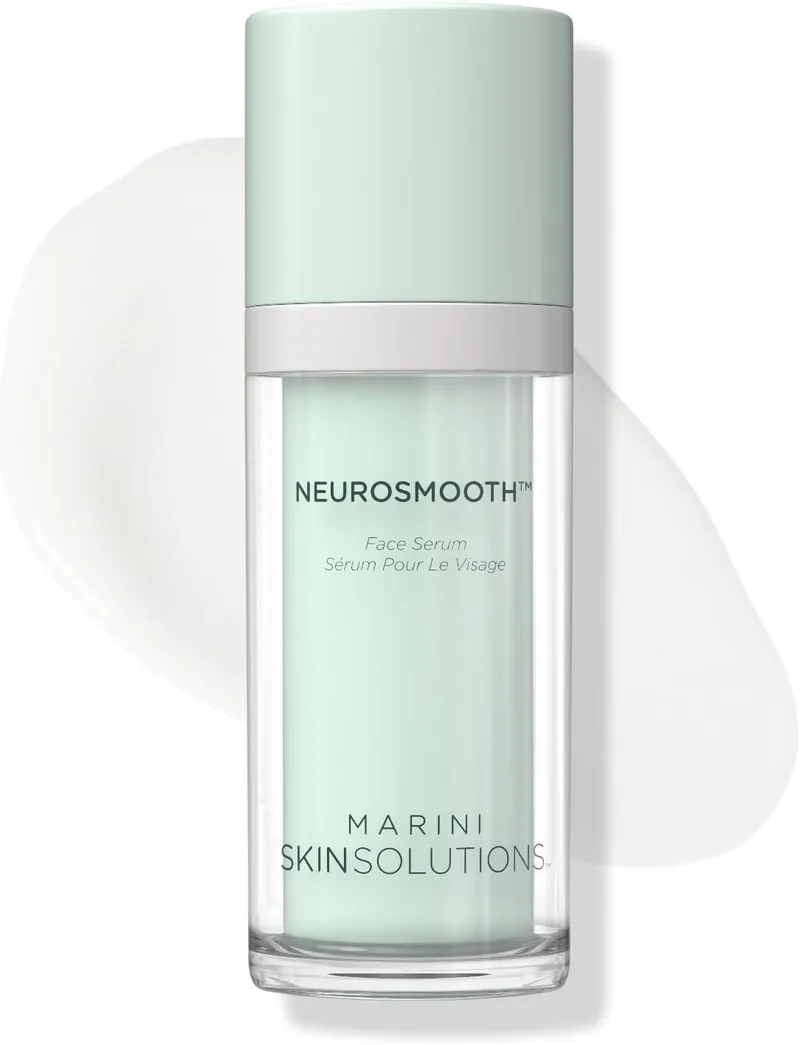
NEUROTRANSMITTER SPECIALIST
Marini SkinSolutions NeuroSmooth
4.6 ★ · 27 reviews
Marini SkinSolutions sits in the peptide lane — the fastest-growing category in skincare, with formulas that signal skin...
How peptides work in skin
Peptides are composed of 2–50 amino acids linked together. When applied topically, certain peptides penetrate the outer layer of skin and bind to receptors on fibroblast cells. This binding sends a signal: “Make more collagen.” The fibroblast responds by upregulating collagen synthesis over 8–12 weeks.
The key distinction: peptides don’t replace collagen. They prompt your skin to produce it. This is why results feel subtle compared to a retinoid. You won’t see a dramatic lift in the first week — but skin thickens, firms, and gains resilience over time.
Different peptides target different signals. Signal peptides like palmitoyl pentapeptide-4 (Matrixyl) mimic the breakdown products of collagen, telling skin that collagen is “damaged” and needs replacement. Neurotransmitter peptides like Argireline relax facial micro-contractions, smoothing expression lines. Copper peptides enhance wound healing and collagen cross-linking.
What peptides are good for
Anti-aging & loss of firmness. Clinical research shows peptides improve skin elasticity and reduce the appearance of fine lines — particularly around the eyes and forehead. A 2023 dermatology study found that a multi-peptide serum increased skin thickness by 8% over 12 weeks.
Resilience & barrier repair. Peptides strengthen the protein matrix that holds skin cells together. If your skin is reactive, compromised, or recovering from aggressive treatments (like lasers or chemical peels), peptides can accelerate healing and tolerance. Many dermatologists recommend peptide serums during retinoid adjustment periods.
Texture & radiance. As skin loses collagen with age, texture roughens. Peptides help restore the firm, plump architecture that catches light evenly — contributing to that “glass skin” appearance.
Prevention in your 20s–30s. While you don’t need peptides young, using them early can slow visible collagen loss. Think of them as maintenance, not rescue.
What peptides won’t do
Peptides work slowly. If you’re expecting a Botox-like freezing effect, you’ll be disappointed. Results appear gradually over 8–12 weeks, and they’re subtle — a slight firmness, smoother texture, less creepy skin. If you have heavy wrinkles or significant sagging, peptides alone won’t be enough. Combine them with retinoids, vitamin C, or professional treatments.
Peptides are not a shortcut solution. Think of them as the slow-acting reinforcement that keeps skin thick and resilient over years, not the dramatic transformer.
Peptides also won’t replace sunscreen. UV damage overwhelms any collagen-boosting benefit. If you’re not using SPF 30+ daily, peptides deliver less impact.
Finally, high concentration doesn’t equal better results. A peptide serum with 5% signal peptide isn’t five times more effective than 1%. Clinical efficacy plateaus quickly. More isn’t more.
How to use peptides correctly
Apply to clean, damp skin. Peptides absorb better into hydrated skin. Pat skin damp after cleansing, apply peptide serum, wait 60 seconds, then layer moisturizer.
Use morning and night. Peptides work 24/7. Most people see better results with twice-daily application, though morning-only is acceptable.
Layer smartly. Peptides play well with niacinamide, hyaluronic acid, and ceramides. They’re compatible with retinoids (both work on collagen, just via different pathways). Avoid mixing with vitamin C serums in the same step — the pH can denature peptides. Use vitamin C in the morning, peptides at night.
Commit to 12 weeks. Peptides require patience. You’re asking your skin to rebuild collagen, which takes time. Judge effectiveness after 3 months, not 3 weeks.
Expect gradual results. You may notice softer skin within 2–3 weeks, but visible firmness changes appear after 8–12 weeks. Don’t expect dramatic before-and-afters.
Common questions
How do peptides differ from retinoids?
Both boost collagen, but via different mechanisms. Retinoids directly bind to nuclear receptors and trigger rapid cell turnover and collagen synthesis — results are faster but can cause irritation. Peptides send a messenger signal to fibroblasts, so results are gentler and slower. Together, they’re synergistic: retinoids accelerate skin turnover, peptides reinforce collagen production.
Can I use peptides if I have sensitive skin?
Yes. Peptides are gentle and non-irritating — one reason dermatologists recommend them during retinoid adjustment. They don’t cause flaking, redness, or the initial retinization redness. If your skin is compromised (eczema, severe rosacea, active dermatitis), peptides can actually help repair the barrier.
Do I need a specific type of peptide?
For general anti-aging, a multi-peptide serum (combining signal, copper, and carrier peptides) is effective and more affordable than single-peptide products. If you have specific concerns — expression lines, severe dryness, redness — you can choose targeted peptides (Argireline for lines, copper peptides for texture). But for most people, a good multi-peptide covers the basics.
Are peptide supplements different from topical peptides?
Yes. Oral peptide supplements are broken down by your digestive system into individual amino acids — they’re no different from eating chicken. Topical peptides penetrate skin in larger chains, allowing them to trigger specific collagen-synthesis signals. Topical works. Oral is marketing.
Can peptides replace a retinoid?
No. Retinoids are more potent and faster-acting. Peptides are a complement — think of them as the maintenance phase that extends retinoid benefits. Use a retinoid 3–4x per week, peptides every night. That’s the optimal approach.