

Tranexamic Acid for Hyperpigmentation: Does It Work?
Tranexamic acid is an amino acid derivative that interrupts the chemical pathways triggering melanin overproduction—making it one of the most evidence-backed ingredients for treating dark spots, melasma, and post-inflammatory hyperpigmentation. Applied topically or taken orally, tranexamic acid blocks the plasminogen/plasmin pathway that signals skin cells to produce excess pigment.
This article contains affiliate links. If you buy through them, PDRN.AI earns a small commission at no extra cost to you. See our affiliate disclosure.
How tranexamic acid works
Tranexamic acid’s mechanism is elegant: it inhibits plasmin, a protein that activates melanocytes (pigment-producing cells). By blocking this activation signal, the ingredient essentially tells your skin to stop making dark spots. Research shows that topical tranexamic acid at 2–3% reduces melanin production within 2–4 weeks, and clinical trials document up to 63% reduction in visible hyperpigmentation after 12 weeks of consistent use.
The ingredient works best when applied to clean skin in serums or toners—hydrating vehicles help penetration. It’s compatible with most other actives, making it a low-friction addition to layered routines.
What tranexamic acid is good for
Dark spots from sun exposure — Tranexamic acid is particularly effective here. UV damage triggers melanin clusters that sit superficially in the epidermis; tranexamic acid suppresses the signal that keeps replenishing them.
Melasma — Clinical dermatology research consistently shows tranexamic acid works for stubborn melasma, especially when applied twice daily. Some dermatologists now recommend it as a gentler, safer alternative to hydroquinone (which carries risks of ochronosis and rebound hyperpigmentation).
Post-inflammatory hyperpigmentation (PIH) — If acne or irritation left dark marks, tranexamic acid stops those marks from deepening by interrupting the inflammation-to-pigmentation cascade. Reddit users in r/AsianBeauty and r/30PlusSkinCare report it “prevents fresh PIH from turning permanent.”
Uneven skin tone — Tranexamic acid brightens patchy discoloration caused by sun exposure, hormonal shifts, or inflammation.
What tranexamic acid won’t do
Tranexamic acid targets discoloration, not texture. If your dark spots are raised (like atrophic scars), you’ll need retinoids or professional treatments (microneedling, lasers) to address the structural damage. Tranexamic acid will fade the pigment, but won’t fill the indent.
It also works more slowly on very deep melasma that has penetrated into the dermis. Oral tranexamic acid (250–500 mg daily) may be necessary for treatment-resistant cases—ask a dermatologist if topical alone isn’t enough after 8–12 weeks.
How to use tranexamic acid
Topical serum (most common):
- Apply to clean skin before moisturizer, morning and evening.
- Use 2–3% concentration for visible results (higher percentages don’t necessarily work faster).
- Pair with niacinamide and vitamin C for synergistic brightening—they work through different pathways and won’t interfere.
- Always follow with SPF 30+ during the day (sun exposure will undo your progress).
Layering order: Cleanser → Tranexamic acid serum → Niacinamide → Vitamin C → Moisturizer → Sunscreen.
Oral tranexamic acid:
- Usually 250–500 mg daily, taken for 8–12 weeks under dermatologist supervision.
- Works faster for melasma than topical alone but requires a prescription.
Timeline: Expect fading to begin at 4 weeks, with significant improvement by 8–12 weeks. Consistency matters—missing doses resets your progress.
EDITORIAL PICKS
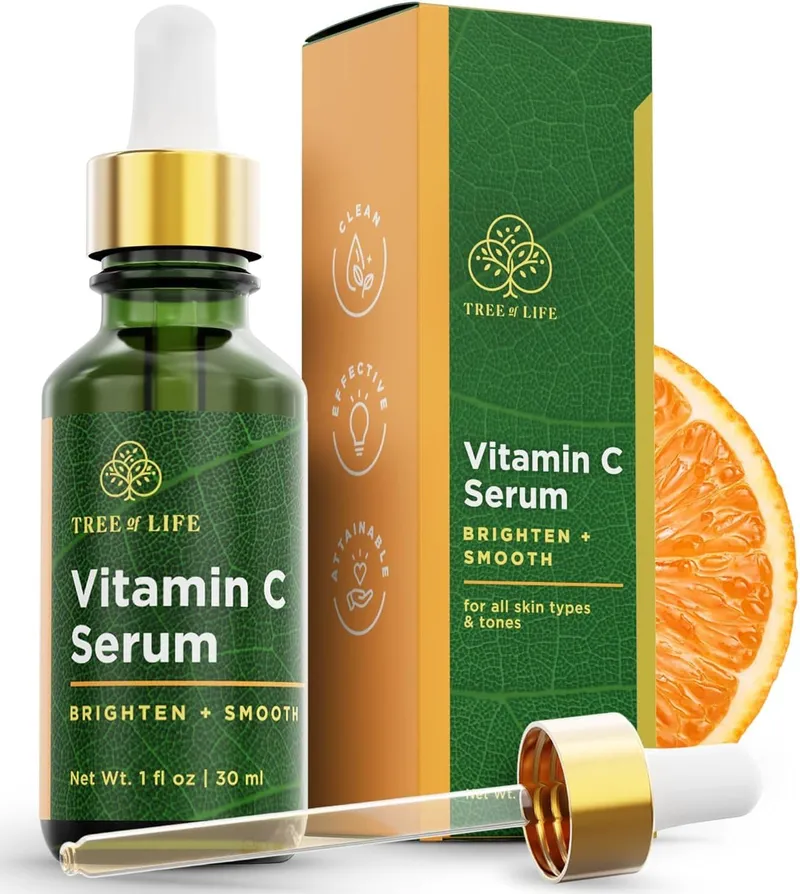
BEST OVERALL
Tree of Life Beauty Vitamin C Skin Care Set
4.3 ★ · 56,208 reviews
Tree of Life targets the brightening and antioxidant lane with ascorbic acid — one of the few skincare actives with real...
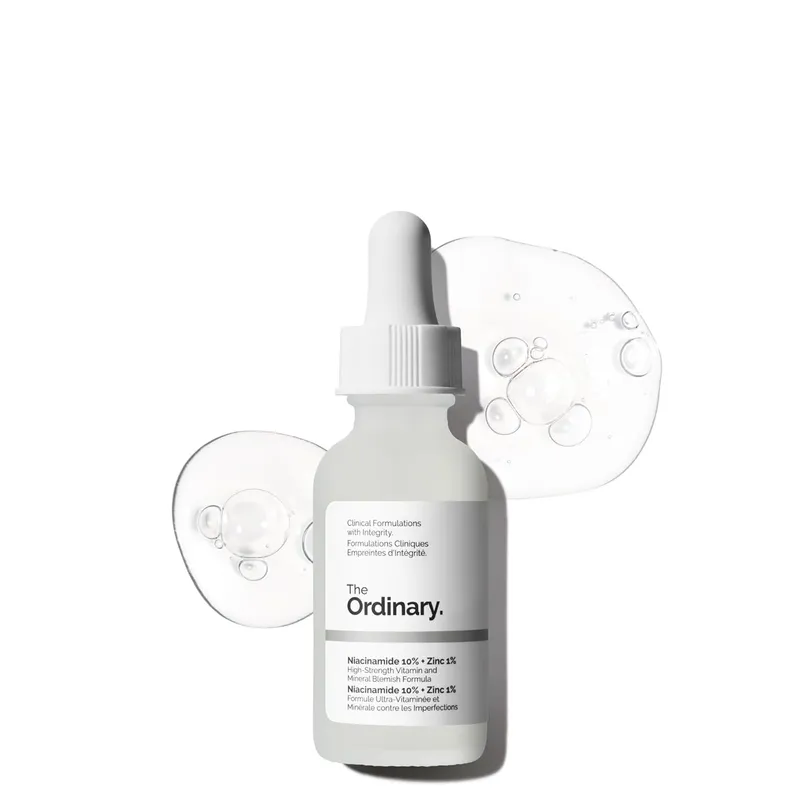
BEST BUDGET
The Ordinary Niacinamide 10% + Zinc 1%, Smoothing Serum for Blemish-Prone Skin
4.5 ★ · 53,183 reviews
The Ordinary is the kind of unflashy, do-its-job niacinamide we recommend often — multi-concern, well-tolerated, reasona...
MOST POTENT
The Ordinary Retinal 0.2% Emulsion
4.3 ★ · 17,656 reviews
The Ordinary is a vitamin-A formula for readers ready to step beyond surface-level skincare and commit to the long-toler...
BEST SPF
mixsoon Bean Sunscreen-Lightweight Airy Texture SPF 50 Korean Sunscreen for Face
4.6 ★ · 3,234 reviews
Mixsoon earns a place in the daily-SPF conversation — protection is non-negotiable and the finish matters more than the ...
Common questions
How long does tranexamic acid take to work?
Tranexamic acid typically shows fading of dark spots within 4–6 weeks of daily use, with maximum results at 12 weeks. Melasma may take 8–16 weeks. Results depend on the depth of pigmentation and consistency of use.
Can I use tranexamic acid with retinoids?
Yes. Tranexamic acid and retinoids actually complement each other—retinoids speed cell turnover (removing pigmented surface cells), while tranexamic acid suppresses new melanin production. Start with low retinoid strength (0.25% retinol or 0.2% retinal) and use tranexamic acid in the morning, retinoid at night to minimize irritation.
Is tranexamic acid safe for all skin types?
Tranexamic acid is exceptionally safe—no rebound hyperpigmentation, no photosensitivity risk, gentle on sensitive skin. It’s even used in products for post-procedure healing. The only caution: if taking oral tranexamic acid, discuss with your doctor if you’re on hormonal contraceptives (very rare interaction risk for blood clots, but worth flagging).
Will tranexamic acid fade acne scars?
Tranexamic acid fades the pigmentation of acne scars (post-inflammatory hyperpigmentation) but won’t improve the texture or depth of pitted/atrophic scars. For texture, you’d need retinoids, microneedling, or laser resurfacing alongside tranexamic acid.
What ingredients pair best with tranexamic acid?
Vitamin C, niacinamide, azelaic acid, kojic acid, and phytic acid all work synergistically with tranexamic acid. Avoid pairing with alpha hydroxy acids (AHAs) or salicylic acid if your barrier is compromised—tranexamic acid itself is gentle, but too many actives can trigger irritation.