

What is squalane? The unsung hero of skincare hydration
Squalane is a lightweight, plant-derived emollient that mimics your skin’s natural oils, providing deep hydration without the greasy residue. Unlike heavy oils that sit on the surface, squalane absorbs quickly and supports your skin barrier — making it one of the most underrated ingredients in skincare. It works for all skin types, including oily and acne-prone skin, because it’s non-comedogenic and structurally identical to squalene, the oil your skin naturally produces.
This article contains affiliate links. If you buy through them, PDRN.AI earns a small commission at no extra cost to you. See our affiliate disclosure.
How squalane works
Squalane is a saturated hydrocarbon derived from squalene, a lipid naturally found in human sebum (skin oil). Plant-derived squalane — typically extracted from olives or sugarcane — is chemically identical to squalene but more stable on the shelf.
When you apply squalane to your skin, it does two things:
Emollient action: Squalane fills gaps between skin cells and smooths the surface, which is why it immediately softens rough patches and improves skin texture. This is a physical effect, not a chemical one — the molecule is simply too small to penetrate deeply.
Occlusive barrier: Because squalane mimics your skin’s lipid profile, it’s recognized as “natural” and doesn’t trigger inflammation. It forms a protective layer that prevents transepidermal water loss (TEWL) — the evaporation of water through your skin. This allows humectants like hyaluronic acid and glycerin to work more effectively.
The result: your skin feels softer, more hydrated, and plumper within minutes. Over weeks of consistent use, your skin barrier strengthens, reducing sensitivity and redness.
What squalane is good for
Squalane works by mimicking your skin’s natural oils, filling gaps between cells, and preventing water loss.
Dry and dehydrated skin: Squalane’s occlusive properties make it ideal for winter or for anyone with a compromised barrier. It pairs especially well with hyaluronic acid — apply the HA serum to damp skin, then seal it with squalane.
Sensitive and irritated skin: Because squalane closely matches your skin’s natural chemistry, it’s unlikely to trigger reactions or inflame already-stressed skin. It’s often recommended by dermatologists for eczema-prone or post-procedure skin.
Oily and acne-prone skin: This surprises many people, but squalane is non-comedogenic and actually regulates sebum production in oily skin. The mechanism: when your skin is sufficiently “oiled,” it stops overproducing sebum. Paradoxically, adding lightweight oil can reduce breakouts. (Clinical research shows that squalane concentrations up to 10% in formulations don’t clog pores.)
Mature and aging skin: Squalane supports collagen and elastin by maintaining hydration at the cellular level. Plump, hydrated skin appears smoother and more youthful. It also works synergistically with retinoids — squalane reduces irritation from stronger actives like tretinoin.
Barrier repair: If your skin is compromised from over-exfoliation, harsh products, or environmental stress, squalane is a gentler way to rebuild the lipid barrier than heavier oils like jojoba or coconut oil.
What squalane won’t do
It won’t manage acne or reduce inflammation on its own. Squalane is occlusive, not active. If you have active breakouts, you need niacinamide, salicylic acid (BHA), or benzoyl peroxide to actually fight bacteria. Squalane’s role is to prevent irritation from those active treatments.
It won’t fade dark spots or hyperpigmentation. Squalane maintains hydration, which can marginally improve skin appearance, but it has no depigmenting effect. For dark spots, you need vitamin C, niacinamide, or retinoids.
It won’t smooth fine lines long-term. Squalane temporarily plumps skin through hydration — lines look softer immediately — but this effect fades when the product wears off. For lasting results, you need actives like retinoids or peptides that stimulate collagen.
It won’t work if applied over wet skin in dry air. A common mistake: applying squalane as the last step in a dry climate traps moisture at the surface but doesn’t pull it deeper. Always apply squalane to slightly damp skin, ideally after a humectant.
$
EDITORIAL PICKS
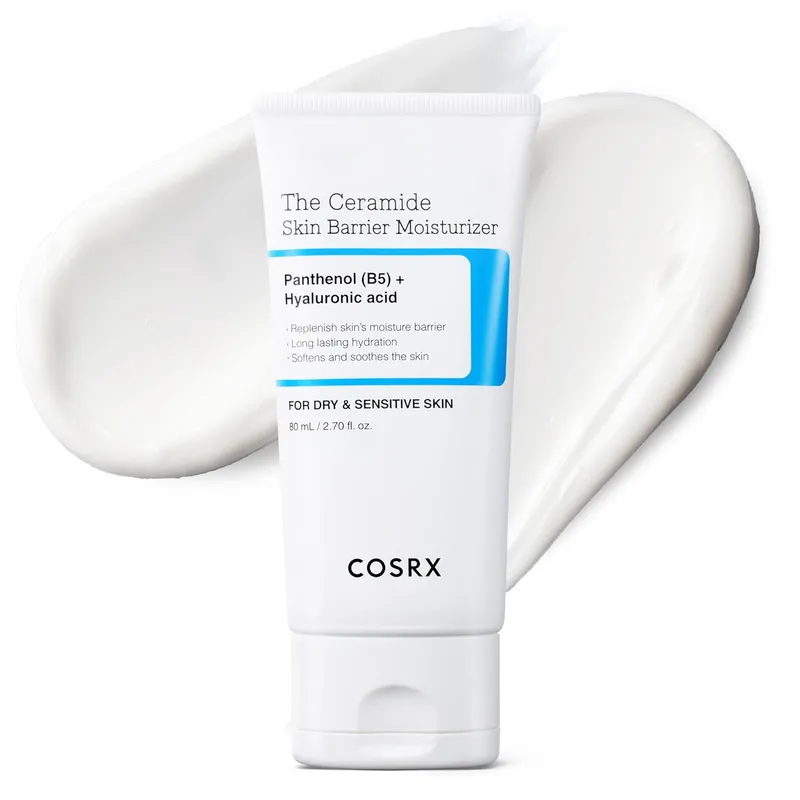
BEST OVERALL
COSRX Ceramide Skin Barrier Moisturizer for Face with 7 Ceramides
4.7 ★ · 144,291 reviews
COSRX is a hyaluronic-acid layer for routines that need humectant support without occlusion. Apply to damp skin and seal…
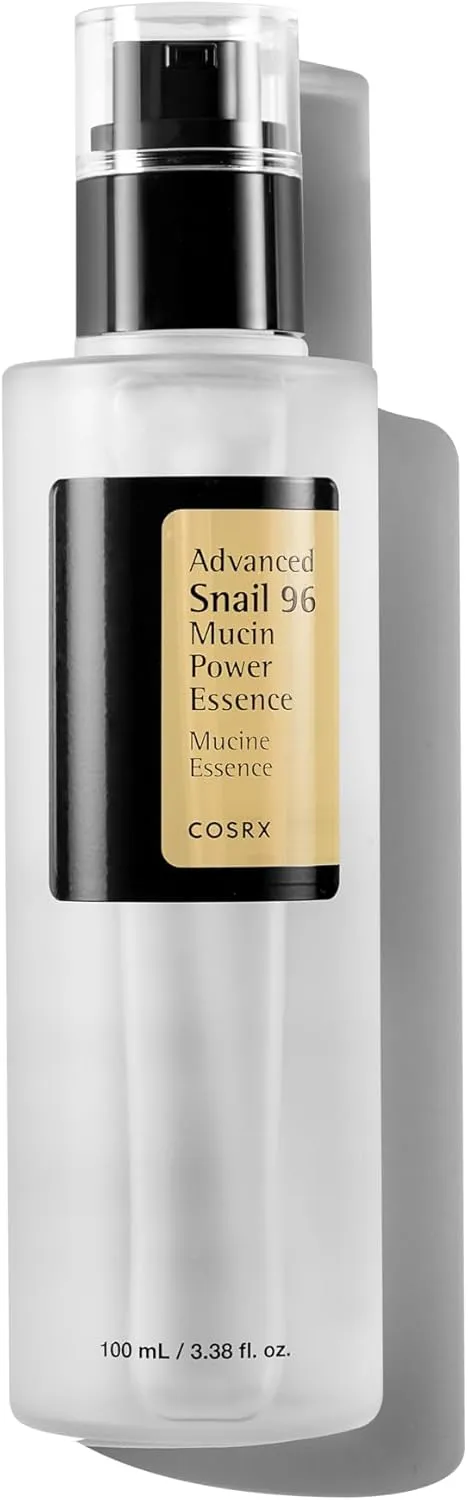
BEST FOR SENSITIVE
COSRX Advanced Snail 96 Mucin Power Essence
4.5 ★ · 99,599 reviews
Cosrx uses snail mucin as the active, which earns its reputation for barrier support over weeks rather than days. Apply …
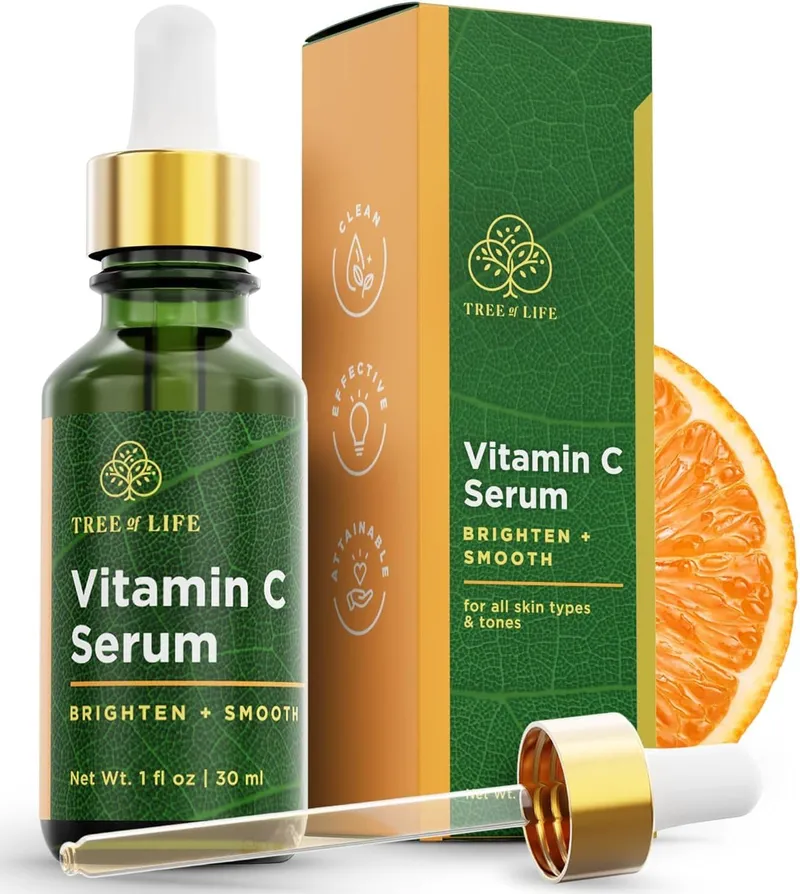
BEST BUDGET
Tree of Life Beauty Vitamin C Skin Care Set
4.3 ★ · 56,208 reviews
Tree of Life targets the brightening and antioxidant lane with ascorbic acid — one of the few skincare actives with real…
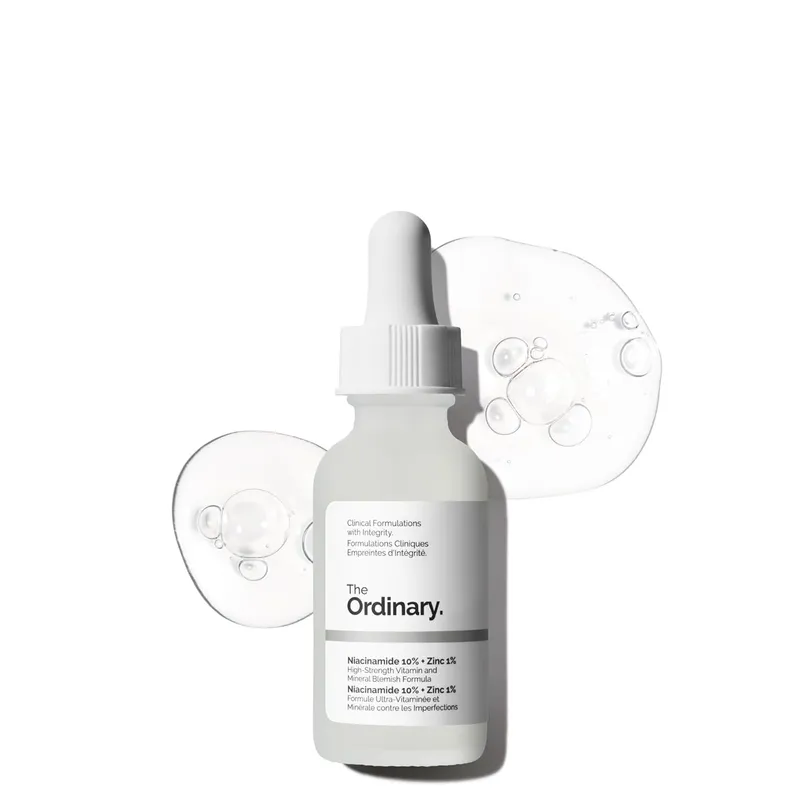
BEST VALUE
The Ordinary Niacinamide 10% + Zinc 1%, Smoothing Serum for Blemish-Prone Skin
4.5 ★ · 53,183 reviews
The Ordinary is the kind of unflashy, do-its-job niacinamide we recommend often — multi-concern, well-tolerated, reasona…
How to use squalane in your routine
Placement in your routine:
Squalane works best as a middle-to-end-step product. The typical order:
- Cleanser
- Toner or essence (optional)
- Hydrating serums (hyaluronic acid, niacinamide, glycerin)
- Squalane oil (2–3 drops, pat gently)
- Moisturizer (optional — many people skip this after squalane)
- Sunscreen (AM only)
Think of squalane as a seal. Apply it after water-based serums but before (or in place of) a heavier cream moisturizer. Some people mix 2–3 drops of squalane directly into their moisturizer instead — this is equally effective.
Application tips:
- Use 2–3 drops for face and neck combined. Squalane is concentrated; more is not better.
- Apply to damp skin (right after cleansing) for best results. Damp skin helps the hydrating layers lock in moisture.
- Pat gently into skin — don’t rub. Let it absorb for 30 seconds before moving to the next step.
- Use twice daily (AM and PM) unless your skin is already very oily. In that case, reserve squalane for nighttime.
Squalane vs. other oils:
Many people confuse squalane with heavier oils like jojoba, argan, or coconut oil. Squalane is thinner, absorbs faster, and is less likely to clog pores. If you’ve had bad experiences with oils, squalane is worth a second try.
Common questions
Is squalane the same as squalene?
No. Squalene is the natural oil in your skin; squalane is a stabilized, saturated version that doesn’t oxidize as quickly. They’re chemically similar, but squalane is more shelf-stable and easier to formulate into products. For skincare purposes, squalane is the practical choice.
Can squalane cause breakouts?
Squalane is non-comedogenic and generally won’t cause breakouts in most people. However, some acne-prone individuals report sensitivity to plant-derived oils in general. If you’re prone to acne, patch-test squalane on a small area (like your jaw) for 3–5 days before full application.
How long does it take to see results?
You’ll feel softer, more hydrated skin within minutes of application. Visible improvements in texture and barrier repair typically show within 2–3 weeks of consistent, twice-daily use.
Can I use squalane with retinoids?
Yes — squalane is often recommended alongside retinoids because it reduces irritation and redness. Apply your retinoid first (on clean skin), wait 15–20 minutes for it to dry, then apply squalane to seal it in. This combo works especially well in winter or if you’re starting a retinoid for the first time.
Is plant-derived squalane vegan?
Most modern squalane is plant-derived (from olives or sugarcane), making it vegan. Check the label to confirm. Historically, squalane was extracted from shark liver oil, but this is now rare due to sustainability concerns.