
Skincare routine for sensitive, reactive skin: keep it minimal
A skincare routine for sensitive, reactive skin is not about adding more actives—it’s about subtracting irritants and prioritizing barrier repair. The goal is to calm inflammation, rebuild your skin barrier, and stop the cycle of breakouts and redness without triggering more flare-ups. This guide builds a stripped-down, evidence-backed routine using three core steps.
This article contains affiliate links. If you buy through them, PDRN.AI earns a small commission at no extra cost to you. See our affiliate disclosure.
What makes sensitive skin reactive?
Reactive skin happens when your skin barrier is compromised—whether from over-exfoliation, harsh products, environmental stress, or underlying conditions like rosacea or eczema. When the barrier is weak, irritants penetrate deeper, bacteria flourish, and inflammation cascades. You get redness, stinging, burning, and breakouts even from “gentle” products.
Sensitive skin is not a diagnosis. It’s feedback from your barrier saying stop. The solution is not more treatment—it’s barrier repair.
The mistake most people make with sensitive skin
The instinct to resolve reactive skin leads people to layer serums, acids, and actives. This is exactly backwards. Every new product is a foreign substance your skin has to tolerate. Each active you add—even niacinamide or vitamin C—carries risk when your barrier is already compromised.
Instead: do less, do it consistently, do it gently.
A reactive-skin routine is boring by design. Boring wins.
How to build a minimal routine for sensitive skin
A complete routine for reactive skin requires only three things: a gentle cleanser, a barrier-repairing moisturizer, and a non-negotiable sunscreen. That’s it.
Morning:
- Cleanse with lukewarm water and a gentle, non-stripping cleanser
- Pat dry (don’t rub)
- Apply moisturizer to damp skin
- Wait 2 minutes, then apply sunscreen as the last step
Evening:
- Cleanse gently
- Apply moisturizer to damp skin
- Optional: if skin is extra reactive, use a richer occlusive cream as a final layer
No serums. No exfoliants. No actives. You can reintroduce targeted treatments (like niacinamide or azelaic acid) only after your barrier has stabilized for 4–6 weeks without flare-ups.
Editorial picks for sensitive skin
EDITORIAL PICKS
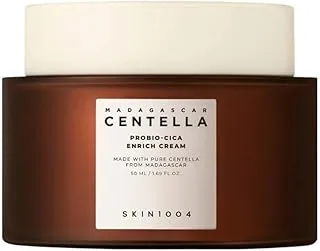
BEST FOR CALMING
SKIN1004 Probio Cica Enrich Cream 1.69 fl.oz
4.7 ★
Skin1004 is a cica formula aimed at the sensitive-and-reactive lane — gentle, repeatable, low risk. Layer into any routine when skin is reactive; gentle enough for daily use.
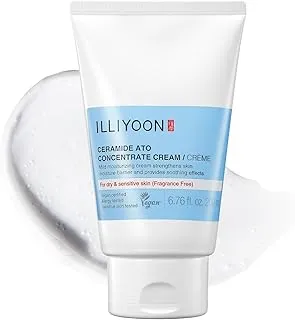
BEST FOR BARRIER REPAIR
Illiyoon Ceramide Ato Concentrate Cream
4.7 ★
Illiyoon prioritizes occlusion and emollients over hero-ingredient marketing, which is usually the right move for a moisturizer. Use as the final hydration step before SPF or sleep.
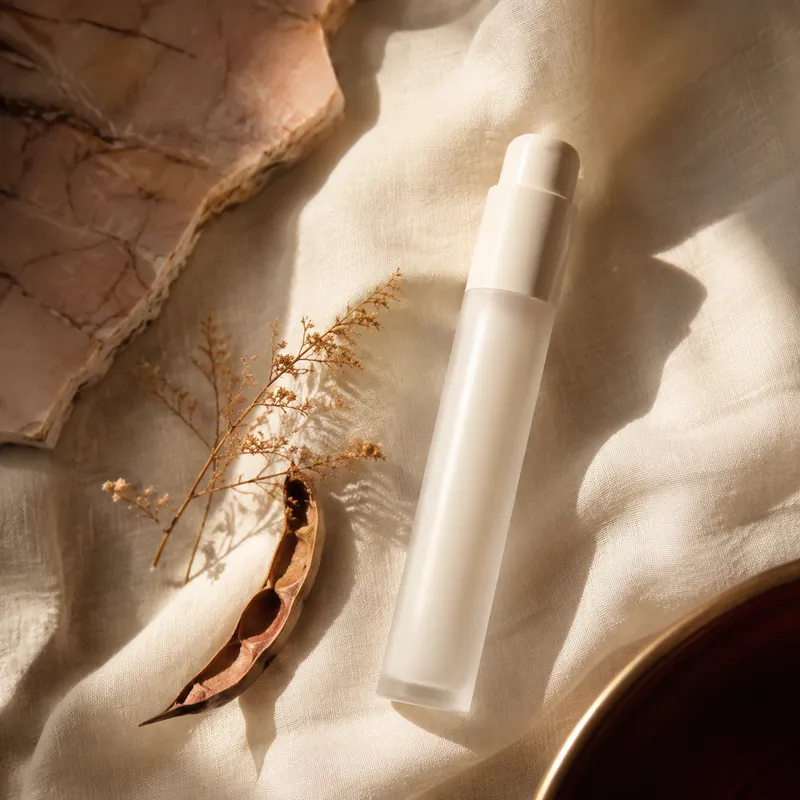
BEST FOR DAILY PROTECTION
mixsoon Bean Sunscreen-Lightweight Airy Texture SPF 50 Korean Sunscreen for Face
4.6 ★ · 3234 reviews
Mixsoon earns a place in the daily-SPF conversation — protection is non-negotiable and the finish matters more than the marketing. Apply as the last morning step, and reapply every two hours if outdoors.
Why sunscreen is non-negotiable
UV damage worsens barrier dysfunction and inflammation. A compromised barrier lets UVA/UVB penetrate deeper, accelerating collagen breakdown and increasing reactive responses. For sensitive skin, a mineral sunscreen (zinc oxide, titanium dioxide) is often gentler than chemical filters.
Apply sunscreen every morning, even on overcast days. UV damage happens year-round. Reapply every two hours if you’re outdoors.
What to avoid when skin is reactive
Skip these entirely while your barrier is repairing (4–8 weeks minimum):
- Exfoliants: AHAs, BHAs, physical scrubs—all remove protective oils
- Vitamin C serums: Ascorbic acid is irritating when skin is compromised
- Retinoids: Tretinoin, retinol, retinal—all require a healthy barrier
- Strong actives: Azelaic acid, niacinamide at high concentrations, benzoyl peroxide
- Fragrance: Natural or synthetic—even “essential oils” irritate reactive skin
- Hot water: Use lukewarm; hot water opens the barrier further
Once your skin is calm (no redness, stinging, or breakouts for 4+ weeks), you can gradually reintroduce one targeted active. Start with a patch test and go slow.
The fastest way to calm reactive skin is to stop adding actives and start protecting your barrier.
Common questions
How long does it take for a reactive skin routine to work?
You should see improvement in redness and stinging within 1–2 weeks. Complete barrier repair takes 4–8 weeks. Skin cells turn over every 28–40 days, so patience is key. If flare-ups persist after 6 weeks, consult a dermatologist—you may have an underlying condition like rosacea or contact dermatitis.
Can I use both a centella cream and a ceramide moisturizer?
Yes. Layer them: apply centella cream first (lighter texture), then the ceramide cream as an occlusive final step. Layering hydrating and occlusive products is how K-beauty routines work. The centella soothes while ceramides seal moisture in.
What cleanser is best for sensitive skin?
Look for a cleanser labeled “gentle,” “creamy,” or “milky” rather than foaming. Avoid sulfates (sodium lauryl sulfate, SLES) which strip oils. A good sensitive-skin cleanser removes makeup and oil without leaving tightness. CeraVe Hydrating Cleanser and La Roche-Posay Toleriane Hydrating Gentle Cleanser are dermatologist-approved options.
Should I use a toner if my skin is reactive?
Most toners are optional. If you want one, choose a hydrating toner (no alcohol, no fragrance) to add a hydration layer before moisturizer. Many dermatologists recommend skipping toner entirely and going straight to moisturizer on damp skin.
How do I know when my barrier is repaired enough to try actives?
Wait until: (1) no redness or flushing, (2) no stinging or burning from your current routine, (3) normal oil production (not tight/dry), and (4) at least 4 weeks of consistency. Then introduce one active slowly—patch test first, use 2–3 times per week, and monitor closely.