
Pregnancy-Safe Skincare: What to Use & Avoid (With Product Picks)
Pregnancy transforms your skin. Surging hormones trigger acne breakouts, melasma (dark patches on cheeks and forehead), and unpredictable dryness — but many skincare ingredients you’ve relied on are now off-limits. Retinoids, salicylic acid, hydroquinone, and chemical sunscreens carry uncertain risks. The good news: a full, evidence-backed routine is possible using niacinamide, gentle exfoliating acids, vitamin C, ceramides, and mineral sunscreen. This guide covers exactly what’s safe to use during pregnancy, which ingredients to avoid, and a tested 5-product routine backed by dermatologist consensus.
This article contains affiliate links. If you buy through them, PDRN.AI earns a small commission at no extra cost to you. See our affiliate disclosure.
What causes pregnancy skin changes
Pregnancy unleashes a hormonal firestorm. Progesterone and estrogen surge 40-50 times higher than normal cycles, triggering three main skin problems. Acne flare-ups occur in 40–50% of pregnant women, concentrated in the second and third trimesters, driven by increased sebum production and hormonal androgen sensitivity. Melasma (chloasma gravidarum) — symmetric brown patches on the face — emerges in 40–70% of pregnant women, particularly those with darker skin tones or family history, caused by melanocyte hyperstimulation. Sensitivity and reactivity increases because the skin barrier thins slightly and becomes more permeable during pregnancy, making dehydration and irritation more likely.
The frustration: ingredients that worked pre-pregnancy now carry teratogenic risk (risk to fetal development) or lack sufficient safety data. This forces a strategic swap, not a complete abandonment of skincare.
The big DO NOTs: ingredients to avoid
Retinoids (retinol, retinaldehyde, tretinoin, isotretinoin): Teratogenic at any dose and trimester. Retinoids are vitamin A derivatives that exceed the 10,000 IU/day safety threshold set by ACOG (American College of Obstetricians and Gynecologists). Even topical application allows systemic absorption. Stop immediately if pregnant — do not finish the bottle.
Salicylic acid (high concentration, >2%): ACOG cautions against high-dose salicylic acid (aspirin is a salicylate), particularly in the first trimester when fetal organ systems form. Low-dose salicylic acid (1-2% as a cleanser or toner) is considered relatively safe by most dermatologists, but requires consulting your OB/GYN due to individual risk tolerance.
Hydroquinone: No sufficient safety data during pregnancy; avoid as a precaution. Kojic acid and thiamidol are safer melasma alternatives.
Chemical sunscreen filters (oxybenzone, octinoxate, avobenzone): These absorb through skin and enter bloodstream. Mineral (physical) filters — zinc oxide and titanium dioxide — are photostable, topical-only, and universally considered safe.
Benzoyl peroxide: Mixed guidance; some dermatologists consider low-concentration topical benzoyl peroxide safe, others recommend avoiding it. Clindamycin topical and erythromycin are safer acne options approved by ACOG.
Azelaic acid: Generally safe topical, but lacks extensive pregnancy-specific data. Most dermatologists clear 15-20% prescriptions, but discuss with your OB/GYN first if you’re using it.
What IS safe: the pregnancy-safe ingredient toolkit
The safe list is longer than you’d expect. Niacinamide (vitamin B3), a key ingredient in our guide to niacinamide in skincare — 4-10% concentration — reduces sebum, soothes inflammation, strengthens the skin barrier, and is non-toxic. Azelaic acid (topical, prescription strength) addresses acne and melasma with strong dermatological approval and minimal absorption. Glycolic acid and lactic acid (AHAs) at low concentration (5-10%) exfoliate gently, unclog pores, and address dullness without hormonal disruption — far safer than salicylic acid. Mandelic acid is an AHA derivative that’s gentle, hydrating, and excellent for pregnancy acne. Vitamin C (L-ascorbic acid, one of the most effective brighteners alongside our hyaluronic acid guide) brightens, strengthens barriers, and fights free radicals — no teratogenic risk. Hyaluronic acid hydrates without permeability risk. Ceramides repair barrier function and prevent transepidermal water loss (TEWL). Sunscreen (mineral, SPF 30+) with zinc oxide or titanium dioxide is non-negotiable for melasma prevention — it’s the only proven melasma prevention strategy during pregnancy.
The safest strategy: amino acids, peptides, botanical extracts (centella asiatica, licorice, niacinamide), and physical exfoliants round out a pregnancy-safe arsenal. Avoid anything unfamiliar or unmarked for pregnancy safety.
A pregnancy-safe skincare routine: step by step
Build your routine in this order, using only pregnancy-safe ingredients:
- Cleanse with a gentle, non-stripping cleanser — cream or milk-based, pH 5.5–7, removes makeup and impurities without disrupting the barrier.
- Optional: Apply a hydrating toner containing niacinamide, hyaluronic acid, or glycerin to prep skin and add a hydration layer.
- Active serum — choose ONE based on your primary concern:
- For acne: niacinamide 4-10%, azelaic acid 15% (Rx), or glycolic acid 5-10% in a gentle formulation.
- For melasma: vitamin C serum + azelaic acid (Rx strength).
- For general support: niacinamide or hyaluronic acid serum.
- Moisturize with a ceramide-rich cream or lotion — this locks in hydration and repairs barrier damage that pregnancy accelerates.
- Apply mineral sunscreen SPF 30+ (zinc oxide or titanium dioxide base) every morning, even if indoors. Melasma prevention is 80% sunscreen compliance. Reapply every 2 hours if sweating.
- Night: Repeat steps 1-4 (skip sunscreen), optionally adding a richer night cream if skin feels tight.
Pro tip: Start one active serum at a time, waiting 1-2 weeks between introductions. Pregnancy skin is reactive and sensitive; layering too many new products triggers irritation.
EDITORIAL PICKS
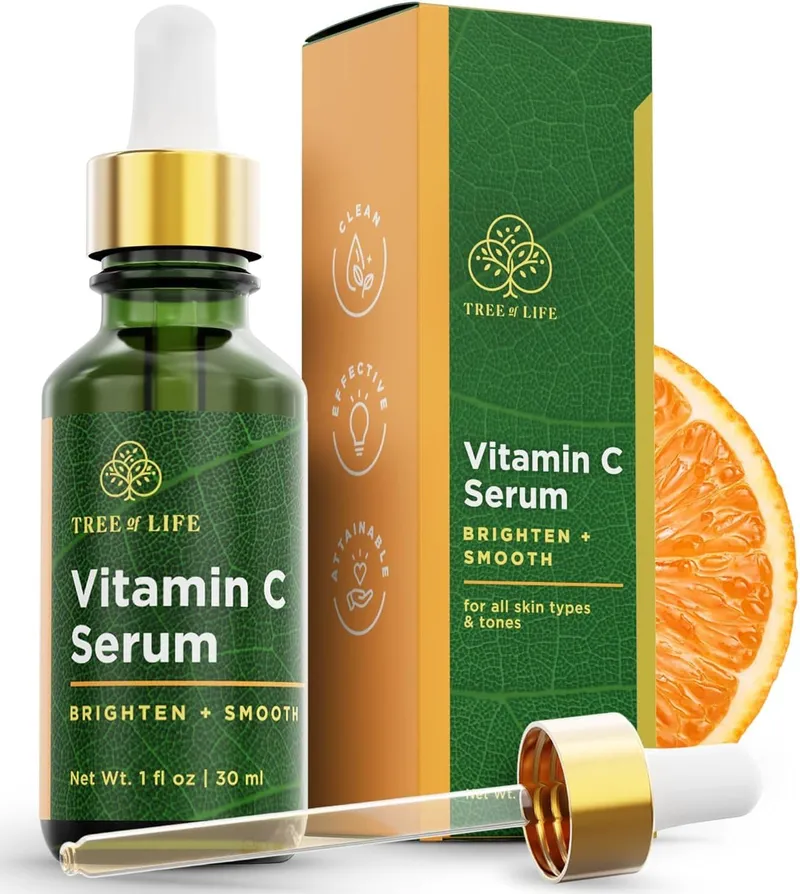
BEST FOR BRIGHTENING
Tree of Life Beauty Vitamin C Skin Care Set
4.3 ★ · 56,208 reviews
Tree of Life targets the brightening and antioxidant lane with ascorbic acid — one of the few skincare actives with real...
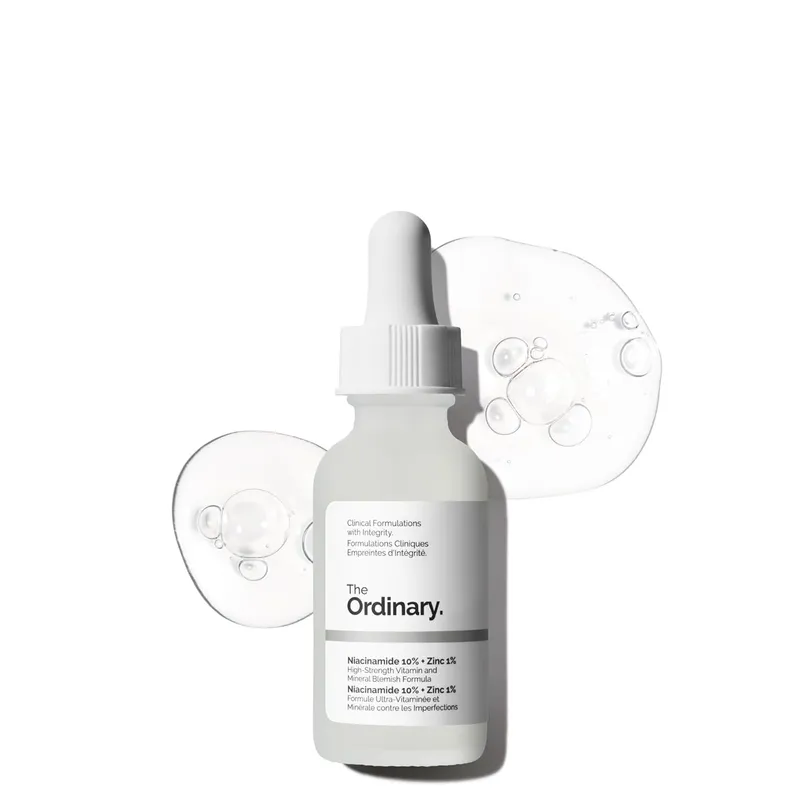
BEST FOR ACNE
The Ordinary Niacinamide 10% + Zinc 1%, Smoothing Serum for Blemish-Prone Skin
4.5 ★ · 53,183 reviews
The Ordinary is the kind of unflashy, do-its-job niacinamide we recommend often — multi-concern, well-tolerated, reasona...
BEST FOR HYDRATION
Good Molecules Niacinamide Brightening Toner
4.6 ★ · 10,155 reviews
Good Molecules runs niacinamide as the active, which remains skincare's quietest workhorse for pores, tone, and barrier ...
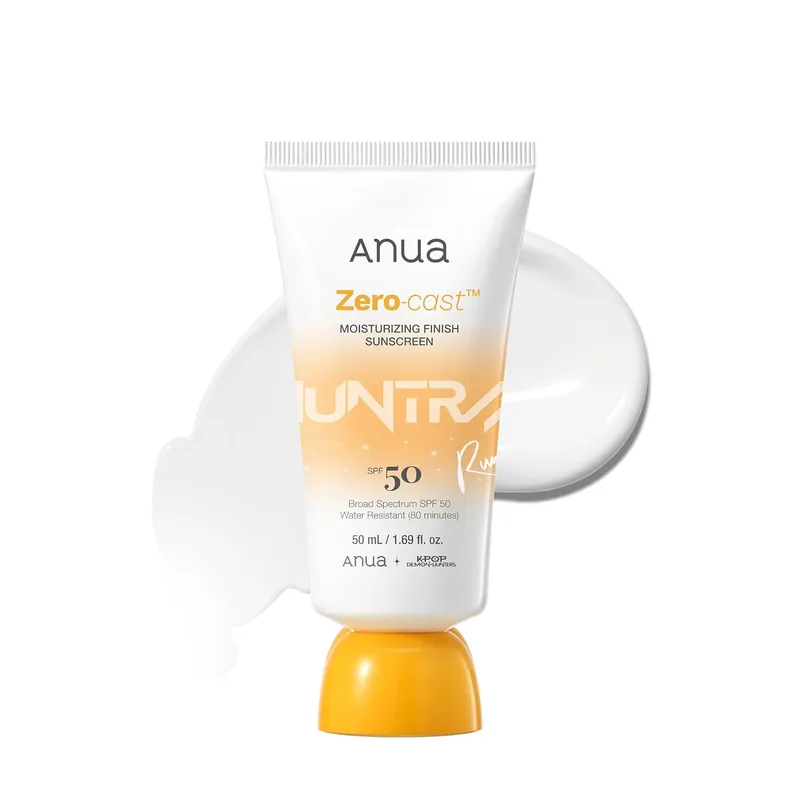
BEST FOR PROTECTION
Anua, Zero-Cast Moisturizing Sunscreen SPF 50, Glow Natural Sunscreen for face, No White…
4.6 ★ · 2,024 reviews
ANUA earns a place in the daily-SPF conversation — protection is non-negotiable and the finish matters more than the mar...
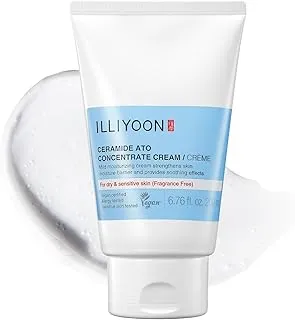
BEST FOR BARRIER REPAIR
Illiyoon Ceramide Ato Concentrate Cream
4.7 ★
Illiyoon prioritizes occlusion and emollients over hero-ingredient marketing, which is usually the right move for a mois...
How to manage acne during pregnancy (safely)
Pregnancy acne responds well to topical clindamycin 1% or erythromycin — antibiotics approved by ACOG that penetrate into hair follicles and reduce bacterial count. Niacinamide 4-10% serums (like The Ordinary formulation) control sebum and ease inflammation in 8-12 weeks. Low-concentration glycolic acid (5-8%) or mandelic acid loosens plugged pores and prevents breakouts without the risks of salicylic acid.
Avoid oral antibiotics in the third trimester (risks to fetal tooth development), but topical applications are safe. Never use tretinoin, isotretinoin, or spironolactone — all carry known teratogenic risk. If acne is severe and topical methods fail, discuss oral erythromycin or azithromycin with your OB/GYN; these antibiotics are FDA Pregnancy Category B (safe in pregnancy).
Melasma during pregnancy: why it happens & how to slow it
Melasma is driven by progesterone and UV exposure combined. Progesterone upregulates melanin production; sun exposure catalyzes the process. This is why melasma accelerates in the second and third trimesters and why pregnancy melasma is notoriously hard to treat until postpartum.
Prevention is the only effective strategy during pregnancy:
- Wear mineral sunscreen (zinc oxide, titanium dioxide) SPF 50+ daily, even indoors.
- Reapply every 2 hours outdoors.
- Use a wide-brimmed hat and sunglasses (UV reaches skin at angles).
- Avoid heat exposure (saunas, hot yoga, direct afternoon sun).
Treating melasma during pregnancy: Vitamin C serums, niacinamide, and low-dose azelaic acid slow progression but won’t reverse existing patches until after pregnancy. Hydroquinone and other tyrosinase inhibitors carry unquantified risk and are avoided. Most dermatologists recommend deferring aggressive melasma treatment (laser, chemical peels, microdermabrasion) until 6-12 months postpartum when hormones stabilize and topical treatments become more effective.
Prevention and sunscreen compliance during pregnancy are the only proven ways to limit melasma; treatment waits for postpartum.
What to expect postpartum: recovery timeline
3-6 months postpartum: Many pregnancy-triggered skin issues resolve naturally as hormones normalize. Acne flare-ups often clear. Oily skin becomes normal again. Pregnancy melasma may lighten by 25-50% without intervention.
6-12 months postpartum: You can safely resume retinoids, hydroquinone, and salicylic acid—if you choose. Aggressive melasma treatments (laser, professional peels) become effective because hormones have stabilized.
If breastfeeding: Most topical skincare is safe because systemic absorption is minimal, but confirm with your pediatrician. Retinoids, while generally safe topically (minimal absorption), are typically deferred 6+ months to be cautious.
Common questions
Is niacinamide safe during pregnancy?
Yes. Niacinamide (vitamin B3) at 4-10% concentration is safe throughout pregnancy and breastfeeding. It doesn’t absorb systemically in meaningful amounts and is approved by ACOG for acne and barrier support during pregnancy. Most dermatologists recommend niacinamide as a foundation ingredient throughout all three trimesters.
Can I use azelaic acid while pregnant?
Topical azelaic acid is generally considered safe during pregnancy by most dermatologists, and it’s one of the few prescription-strength actives available. That said, safety data is limited compared to niacinamide. Discuss with your OB/GYN before starting. If you have access to prescription 15-20% azelaic acid, it’s often recommended for pregnancy acne and melasma prevention over other options.
Will pregnancy skin go back to normal after birth?
Most pregnancy-related skin changes (acne, oiliness, sensitivity) resolve within 3-6 months postpartum as progesterone levels drop. Melasma may fade 25-50% naturally. However, melasma can persist if you had a genetic predisposition or weren’t diligent with sunscreen during pregnancy—it doesn’t always fully reverse and may require postpartum options like laser, hydroquinone, stronger actives).
Is mineral sunscreen really necessary every day during pregnancy?
Yes. UV exposure triggers melasma specifically in pregnant women due to progesterone-driven melanin upregulation. Studies show that women using daily mineral sunscreen during pregnancy have 40-60% less melasma than those with inconsistent use. Even if you’ve never had melasma, pregnancy melasma can appear suddenly in your second or third trimester, especially if you spend time outdoors. Daily sunscreen (SPF 30+) is the only proven prevention.
Can I use vitamin C serum during pregnancy?
Yes. L-ascorbic acid (and stabilized forms like magnesium ascorbyl phosphate) are safe throughout pregnancy. Vitamin C serums brighten, support collagen production, and provide antioxidant protection without teratogenic risk. Use 10-20% concentrations, applied to clean, slightly damp skin, followed by moisturizer and sunscreen. Vitamin C is particularly helpful for pregnancy dullness and mild melasma prevention (though inferior to sunscreen alone).