
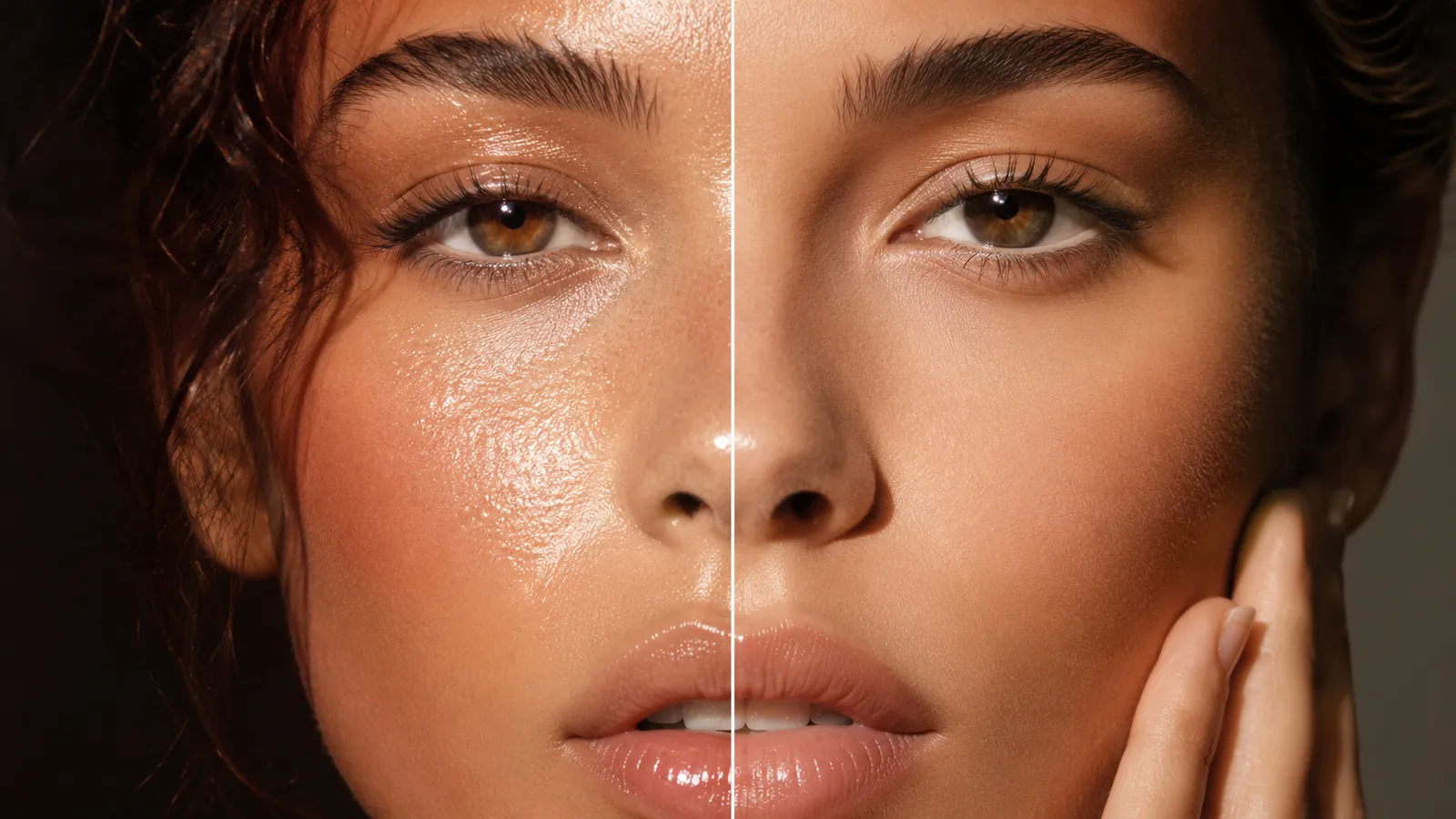
Peptides vs retinol: which anti-aging ingredient wins
Peptides and retinol are skincare’s most talked-about anti-aging ingredients, but they work in fundamentally different ways. Retinol (a vitamin A derivative) speeds up cell turnover and directly stimulates collagen production through a faster, more visible pathway. Peptides, by contrast, signal your skin’s cells to behave younger—rebuilding structure gradually from the inside without triggering irritation. The real answer: they’re not competitors, they’re tools for different skin types and concerns.
This article contains affiliate links. If you buy through them, PDRN.AI earns a small commission at no extra cost to you. See our affiliate disclosure.
The short answer
Unsure which one to pick? Here’s the quick version:
- Choose retinol if: You have visible wrinkles, sun damage, or compromised elasticity and can tolerate potential irritation. Retinol shows results in 8–12 weeks.
- Choose peptides if: Your skin is sensitive, reactive, or already showing early signs of aging. Peptides work subtly but steadily over 12 weeks without irritation.
- Use both if: You want faster results + a gentler maintenance strategy. Layer peptides over retinol, or alternate nights.
- Start with peptides if: You’ve never used active ingredients. They’re the gentler gateway into anti-aging skincare.
How retinol actually works
Retinol is a retinoid—a vitamin A compound that your skin converts to retinoic acid, the form that directly triggers cellular changes. When retinol reaches your skin cells, it binds to retinoic acid receptors and tells those cells to do three critical things:
- Shed dead skin faster. Retinol accelerates cell turnover, revealing fresher skin underneath within 4–6 weeks.
- Make more collagen. It stimulates fibroblasts (collagen-producing cells) to synthesize fresh collagen, plumping fine lines from within.
- Even out pigmentation. By speeding renewal, retinol fades sun damage, melasma, and post-inflammatory hyperpigmentation.
The trade-off: retinol is aggressive. In your first 1–4 weeks, you’ll likely experience retinization—redness, peeling, dryness, sensitivity. Dermatologists call this “retinoid uglies,” and it’s normal. Your skin barrier temporarily weakens as it adjusts. That’s why the cardinal rule of retinol is: start low, go slow, always pair with SPF.
Retinol results are visible and fast. You’ll see plumper skin, finer texture, and softer lines by week 8. This makes retinol the gold standard for moderate-to-severe aging or sun damage.
How peptides work (the gentler path)
Peptides are short chains of amino acids—the building blocks of protein. In skincare, peptides like copper peptides, palmitoyl pentapeptides, and acetyl hexapeptides work differently: they don’t directly trigger cell turnover. Instead, they send chemical signals to your skin cells saying “behave like young skin.”
Here’s the mechanism:
- Signal collagen production. Peptides mimic the breakdown products of collagen, “tricking” your skin into thinking it needs to rebuild. Fibroblasts respond by synthesizing new collagen without the inflammatory cascade retinol triggers.
- Strengthen the skin barrier. Peptides support ceramides and hyaluronic acid, which plump skin and smooth fine lines through hydration rather than cell shedding.
- Reduce inflammation. Unlike retinol, peptides calm skin. They’re non-irritating, making them ideal for sensitive skin or during barrier-repair phases.
Peptide results are gradual and cumulative. You won’t see dramatic change at week 4, but by week 10–12, fine lines soften, skin feels firmer, and texture improves. The slower timeline means no retinization—just quiet efficacy.
Key differences at a glance
| Factor | Retinol | Peptides |
|---|---|---|
| Mechanism | Directly triggers cell turnover + collagen synthesis | Signals cells to behave younger |
| Speed of results | 4–8 weeks (visible) | 10–12 weeks (gradual) |
| Irritation risk | High (retinization phase) | Very low |
| Best for | Sun damage, moderate wrinkles, dull skin | Sensitivity, early aging, maintenance |
| Skin barrier | Temporarily stresses it | Strengthens it |
| Morning or night? | Night only (photodegrading) | Morning or night |
| Scientific backing | Decades of clinical evidence | Growing evidence; less long-term data |
Can you use them together?
Yes—and dermatologists increasingly recommend it. Peptides don’t interfere with retinol; in fact, they complement it. Peptides calm retinol-induced irritation and support the skin barrier while retinol does the heavy lifting. A smart layering strategy:
- Night routine: Retinol (2–3x per week) + peptide serum underneath or over (depending on product texture)
- Morning routine: Peptide serum + vitamin C + SPF
- Result: You get retinol’s speed + peptides’ gentleness + fewer flare-ups
If retinol causes too much irritation, you can alternate: retinol Monday/Wednesday/Friday, peptides on off-nights.
HEAD TO HEAD
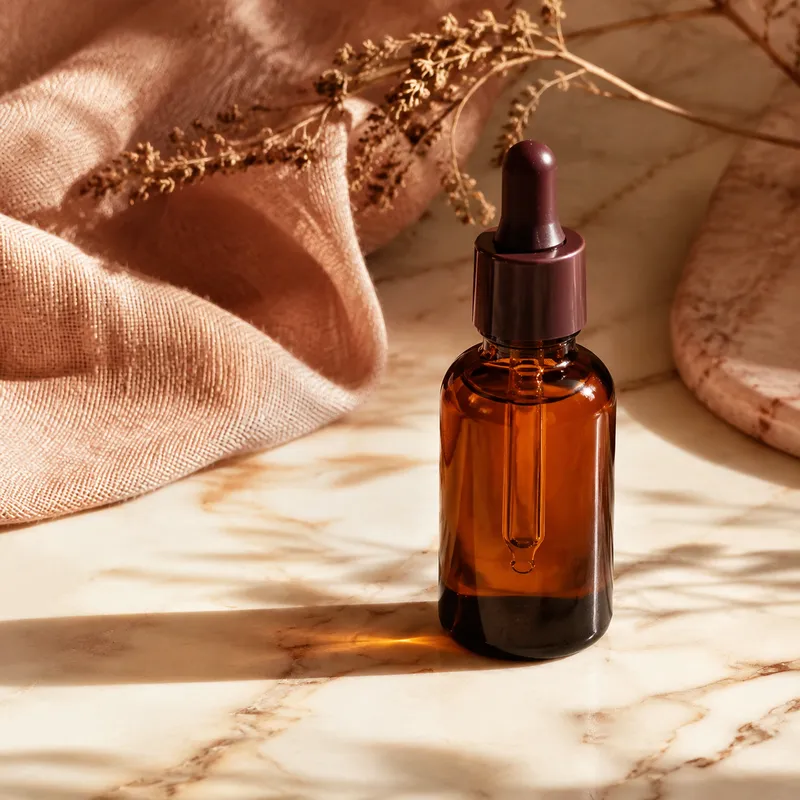
The Ordinary Retinal 0.2% Emulsion
4.3 ★ · 17,656 reviews
Strength: The Ordinary is a vitamin-A formula for readers ready to step beyond surface-lev
Watchout: wo nights a week and build up; always pair with morning SPF.
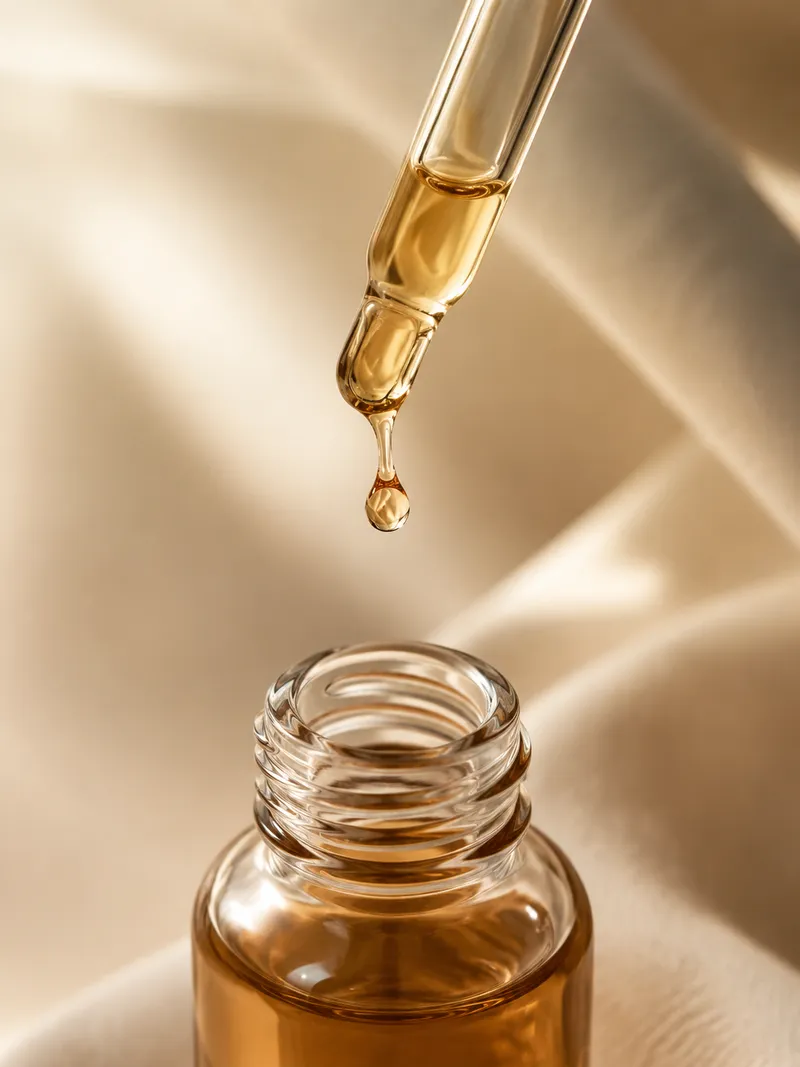
goop Beauty Peptide Serum
4.2 ★ · 17,297 reviews
Strength: This peptide serum sits in the peptide lane
Watchout: the fastest-growing category in skincare, with formulas that signal skin to beha
The science backing each
Retinol has the longest track record. Over 70 years of dermatological use, hundreds of clinical trials, FDA approval for prescription retinoids (tretinoin, adapalene). The evidence is rock-solid: retinol reduces wrinkles by 20–30% over 12 weeks in most users.
Peptides are the newer frontier. Clinical studies show peptide serums increase skin firmness, reduce fine lines, and boost hydration in 8–12 weeks, but the data set is smaller and studies are often shorter. What’s promising: peptide research accelerated in 2020–2024, with copper peptides, matrixyl, and argireline all showing measurable benefits in peer-reviewed journals.
The gap isn’t that peptides don’t work—it’s that dermatologists have simply studied retinol for longer. If you’re risk-averse, retinol has the evidence. If you want a gentler first active, peptides are defensible.
Which one should you choose?
Ask yourself:
- Do you have visible wrinkles or sun damage? → Retinol. It’s the proven leader for moderate-to-severe aging.
- Is your skin sensitive or easily irritated? → Peptides. You’ll avoid months of retinization and maintain a calm complexion.
- Are you just starting with active ingredients? → Peptides first, then add retinol in 2–3 months once your barrier is conditioned.
- Do you want the fastest possible results? → Retinol, but budget for 2–4 weeks of flaking and redness.
- Are you over 40 or dealing with deep wrinkles? → Retinol + peptides together. Retinol rewires your skin; peptides maintain the gains.
Common questions
Are peptides a replacement for retinol?
Not quite. Peptides reduce fine lines and support firmness, but they don’t turnover skin cells or fade stubborn pigmentation the way retinol does. Think of peptides as a gentler, maintenance-focused tool—great on their own for early aging, but less powerful for deep wrinkles or sun damage.
Can sensitive skin tolerate retinol at all?
Yes, if you’re patient. Start with low-strength retinol (0.25–0.3%) once weekly, pair with a heavy moisturizer, and avoid other actives (vitamin C, AHAs, BHAs). Most skin adapts within 4–6 weeks. If retinization is severe, switch to peptides and revisit retinol in a few months.
How long until I see results from peptides?
10–12 weeks of consistent use. Peptides are a slow burn. If you’re looking for visible change by week 4, retinol will impress you faster. Peptides reward patience with a smoother, firmer complexion and zero irritation.
Which is better for dark circles?
Peptides, especially those combined with caffeine or hyaluronic acid. Dark circles are partly structural (loss of collagen and elasticity under the eye) and partly vascular. Retinol can help over time, but peptides hydrate and plump without irritating that delicate area.
Do peptides actually work, or is it hype?
Peptides work—but subtly. Clinical studies show measurable improvements in skin firmness, hydration, and fine lines. The hype stems from marketing that oversells peptides as retinol alternatives. They’re not; they’re a different tool for a different job.