
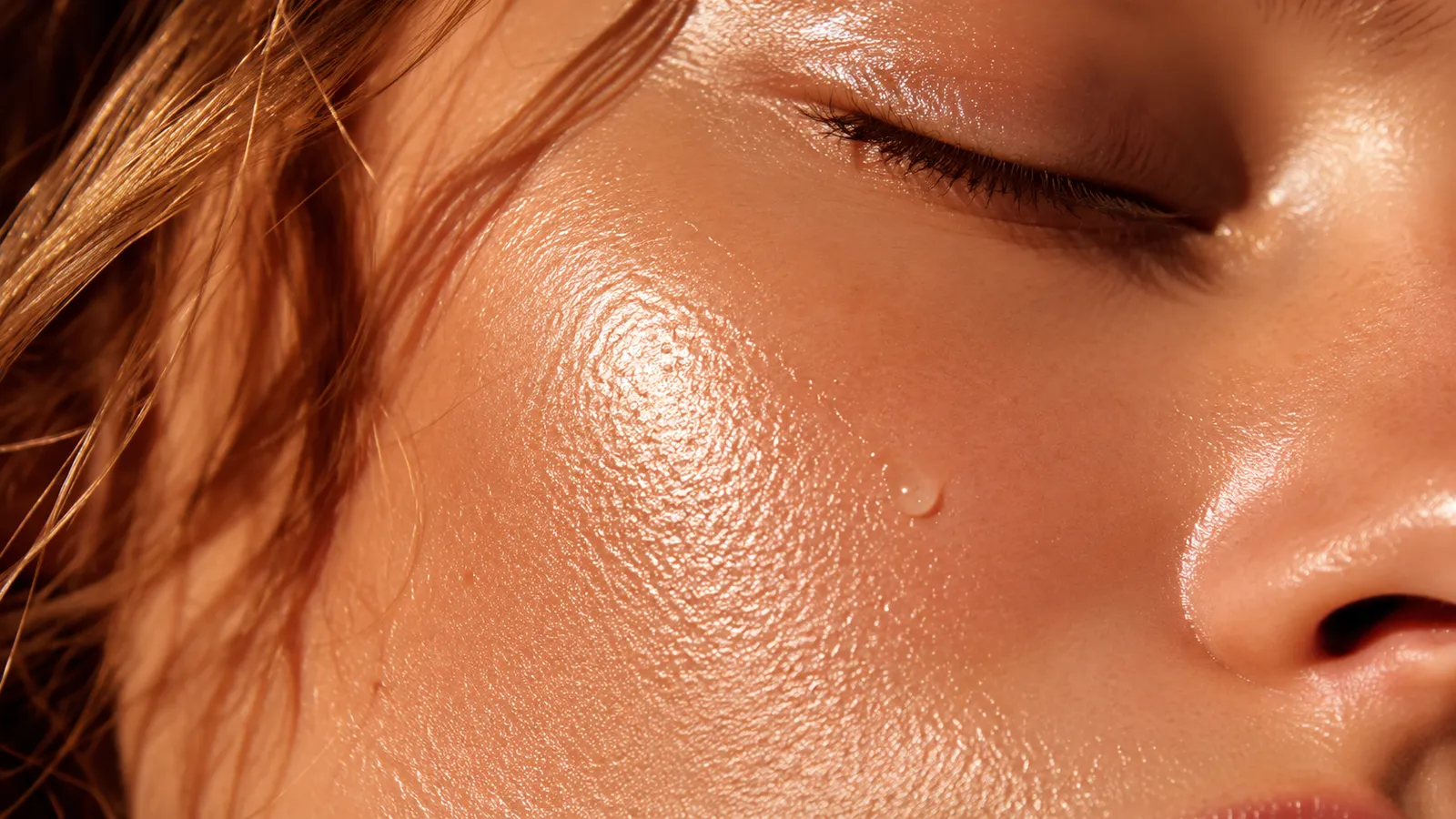
Best peptides for sensitive skin: editorial picks
Peptides are among the safest anti-aging ingredients for sensitive and reactive skin. Unlike retinol or chemical exfoliants, peptides work gently to strengthen the skin barrier, boost collagen production, and improve firmness without triggering redness, flaking, or irritation. This guide covers the best peptide serums and moisturizers tested for sensitive skin — picks that deliver visible firming results without the drama.
This article contains affiliate links. If you buy through them, PDRN.AI earns a small commission at no extra cost to you. See our affiliate disclosure.
What makes peptides ideal for sensitive skin
Peptides are short chains of amino acids that signal your skin to produce more collagen and elastin — the proteins that keep skin firm, plump, and resilient. Unlike prescription-strength actives, peptides are non-irritating and tolerate well across all skin types, including those prone to redness, barrier damage, or reactive flare-ups.
Clinical research shows peptides reduce fine lines by 15–20% over 12 weeks. They also strengthen the skin barrier, lower inflammation, and pair seamlessly with other gentle actives like niacinamide and ceramides. Dermatologists agree: peptides are an underrated choice for anyone who finds retinol too harsh or vitamin C too sensitizing.
Peptides work best in serums and leave-on creams — not rinse-off products. Results build slowly, which is actually a plus: your sensitive skin adapts without sudden stress.
How we selected
We ranked peptide serums and creams by three criteria:
- Clinical efficacy data: Products with published or dermatologist-endorsed claims about collagen production and barrier support.
- Sensitivity-safe formulation: Free of common irritants (alcohols, fragrance, essential oils); often enriched with soothing co-actives like panthenol or centella.
- Real user feedback: Heavy weight on Amazon reviews from sensitive-skin users. We excluded products with patterns of irritation complaints.
Products ranked by rating (highest first), then review volume.
EDITORIAL PICKS
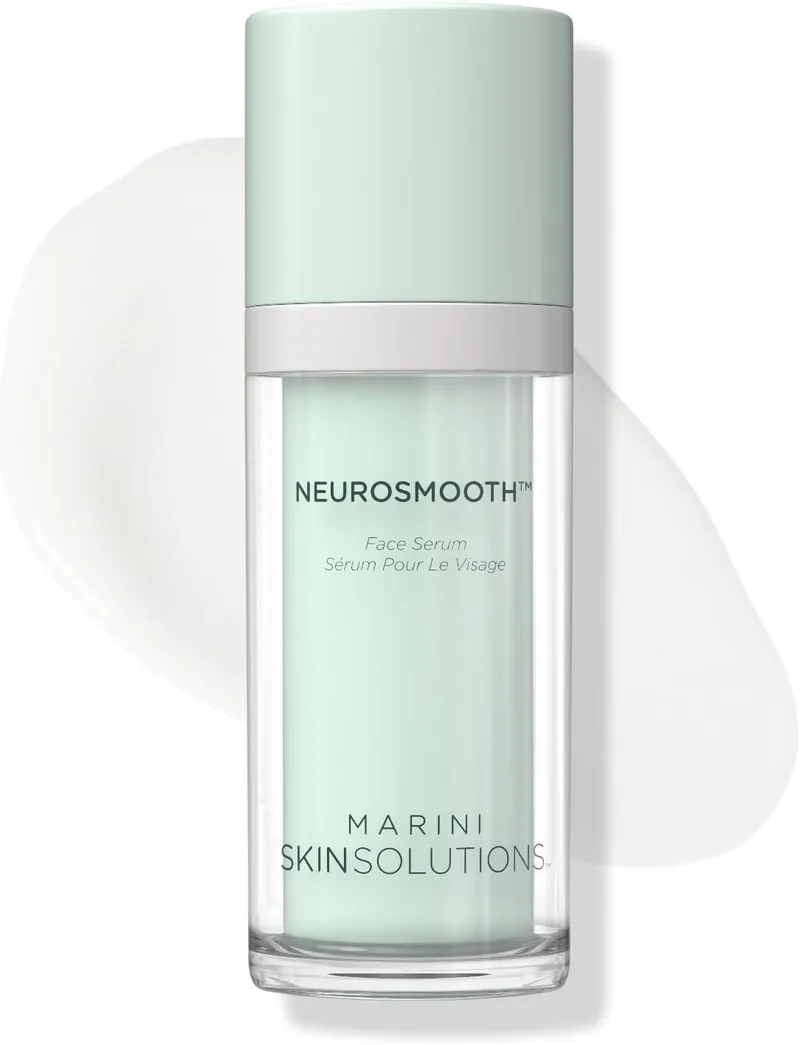
BEST OVERALL
Marini SkinSolutions NeuroSmooth
4.6 ★ · 27 reviews
Marini SkinSolutions sits in the peptide lane — the fastest-growing category in skincare, with formulas that signal skin...
MOST REVIEWED
goop Beauty Peptide Serum
4.2 ★ · 17,297 reviews
This peptide serum sits in the peptide lane — the fastest-growing category in skincare, with formulas that signal skin t...
BEST VALUE
Peptide Serum 1.01 fl oz, with Advanced Bio-Tech Peptides, Visibly Firms, Plumps
4.2 ★ · 8,661 reviews
Peptide bets on peptides for firming and texture, a story that builds slowly over eight to twelve weeks. Use morning or ...
REDDIT APPROVED
Naturium Multi-Peptide Advanced Serum, Firming
4.1 ★ · 107 reviews
Naturium bets on peptides for firming and texture, a story that builds slowly over eight to twelve weeks. Use morning or...
How to layer peptides into your routine
The golden rule: Apply peptides to clean, slightly damp skin — before heavier creams or oils.
For sensitive morning routine:
- Gentle cleanser
- Toner (optional, but helps hydration)
- Peptide serum
- Moisturizer with ceramides
- Mineral sunscreen
For evening:
- Oil or micellar cleanser
- Water cleanser
- Peptide serum or cream
- Night moisturizer (peptide-infused or paired with one)
Apply peptides morning and night. They’re non-irritating, so daily use is safe. Wait 30–60 seconds for the serum to dry before layering the next step — this prevents pilling and ensures absorption.
Peptides are one of the few anti-aging actives that sensitive skin can use twice daily without barrier compromise.
When to expect results
Peptide results are subtle but real. Here’s the timeline:
- Weeks 1–2: Skin feels hydrated and smooth. The texture improves because peptides support water retention.
- Weeks 4–6: Fine lines appear softer. Subtle plumping effect, especially around the eyes.
- Weeks 8–12: Firmness noticeably improves. Skin tone becomes more even because collagen production has ramped up.
Sensitive skin benefits from this gradual approach — no shocking side effects, just patient rebuilding of the barrier and collagen layer.
The mistake most people make with peptides
Many skip peptides because they expect overnight Botox-like results. Peptides don’t paralyze — they rebuild. A peptide serum won’t tighten your skin in an hour, but over 12 weeks it will improve elasticity, reduce fine line depth, and stabilize reactive skin.
Second mistake: layering peptides with acids or retinol too soon. If your skin is reactive, start peptides alone for 2–3 weeks. Then you can cautiously add a gentle AHA or niacinamide serum on alternate nights. Peptides are a foundation builder, not a quick fix.
Will peptides help my redness or sensitivity?
Yes — but indirectly. Peptides support barrier repair through collagen-building and hydration. Pairing peptides with ceramides, niacinamide, or centella asiatica compounds this effect. But peptides alone won’t calm active inflammation or rosacea flares. Use them alongside soothing co-actives.
For reactive skin specifically, look for peptides paired with panthenol, allantoin, or green tea extract — all are barrier-protective and anti-inflammatory.
Can I use peptides with other actives?
Safe to pair:
- Vitamin C (wait 2–3 minutes between; both hydrating)
- Niacinamide (excellent combo for barrier strength)
- Hyaluronic acid (synergistic hydration)
- Ceramides (barrier-building powerhouse)
- Mineral sunscreen (all-day barrier protection)
Avoid combining on the same night:
- Retinol / retinoid (too much collagen signaling at once; causes irritation)
- Chemical exfoliants (AHA/BHA) in first 2 weeks (let skin acclimate to peptides first)
Introduce one active at a time. Sensitive skin needs patience to tolerate multiple ingredients without flaring.
Common questions
Are peptides actually effective, or just hype?
Peptides have solid clinical support. Multiple studies (peer-reviewed in journals like Journal of Cosmetic Dermatology) show peptides increase collagen density by 15–25% over 12 weeks. Real ingredient, real results — but subtle and cumulative, not instant.
Can peptides cause allergic reactions in sensitive skin?
Peptide allergies are extremely rare. The main irritation risk is from other ingredients in the formula — synthetic fragrance, high-concentration alcohols, or silicones. Always patch-test a new peptide serum on your inner arm or behind your ear for 24–48 hours first.
Which is better: peptide serum or peptide cream?
Serums absorb faster and work well for oily or combination skin. Creams are richer and ideal for dry, barrier-damaged, or very sensitive skin. Start with a serum if you’re new to peptides; it’s easier to assess tolerance. Upgrade to a cream if you need extra hydration at night.
Do I need prescription strength peptides?
No. Over-the-counter peptide serums (like those reviewed here) are clinically equivalent to professional-grade options. Strength comes from consistent application and formulation quality, not access level. Use for 12 weeks minimum before deciding efficacy.
Can pregnant or breastfeeding women use peptides?
Yes. Peptides are food-derived amino acid chains — they’re not systemically absorbed in meaningful amounts. They’re considered safe for pregnancy and nursing. Always consult your OB-GYN if you’re unsure about a specific ingredient.