

How to use peptides in your skincare routine
Peptides are short chains of amino acids that signal your skin to boost collagen and firm the dermis—and they belong in your routine after cleansing but before moisturizer. Layer them on damp skin, allow 60 seconds to absorb, and pair them wisely with other actives. Done right, peptides deliver visible firmness and hydration within 6–8 weeks, making them one of the gentlest anti-aging additions you can make to any skincare regimen.
This article contains affiliate links. If you buy through them, PDRN.AI earns a small commission at no extra cost to you. See our affiliate disclosure.
What peptides actually do in skincare
Peptides are fragments of amino acids—the building blocks of collagen and elastin. When you apply them topically, they’re recognized by your skin as a signal to synthesize more collagen, strengthen the dermal matrix, and improve moisture retention. Unlike retinol (which forces cell turnover) or vitamin C (which brightens), peptides work subtly and are gentle enough for sensitive skin. Most common peptide types are copper peptides, matrixyl, and argireline, each with slightly different mechanisms and concentration ranges. All improve elasticity, firmness, and skin thickness over time without irritation or sensitization.
Clinical research shows peptides can increase collagen production by up to 30% when used consistently for 8–12 weeks, making them a cornerstone ingredient for preventing and softening fine lines.
When to apply peptides in your routine
The golden rule: water-based serums go right after cleansing. Apply peptides to damp (not dripping wet) skin immediately after your cleanser, before any creams or oils. This is the optimal pH and hydration window for absorption. If you use a hydrating toner or essence first, that’s fine—just make sure peptides are applied before your moisturizer. The timing matters because peptides need an optimal microenvironment to cross the stratum corneum.
Morning routine: Cleanser → Peptide serum (60 seconds) → Sunscreen (wait 15 min)
Evening routine: Cleanser → Peptide serum → Moisturizer → Optional: retinol (wait 20 min after peptides)
The early-step placement is critical because peptide molecules are larger than some actives and need unobstructed access to the skin surface. Layering them after heavy creams creates a barrier that blocks their mechanism of action.
What peptides mix well with (and what to avoid)
Safe combinations:
- Niacinamide: Pairs beautifully—both hydrate and strengthen barrier function. Use together daily.
- Hyaluronic acid: Amplifies hydration (see complete guide to hyaluronic acid) as both work synergistically and plumping effect. Layer peptides first, then HA serum.
- Sunscreen: Essential. Peptides don’t interact with mineral or chemical filters.
- Moisturizers & oils: Layer after peptides fully absorb (60–90 seconds).
Use separately:
- Vitamin C (L-ascorbic acid): C serums are acidic (pH 2.5–3.5); peptides prefer neutral pH (6–7). Use C in the morning, peptides at night, or alternate days.
- AHAs/BHAs: Both exfoliate and lower skin pH. Use peptides on non-exfoliant days if you have sensitive skin.
- Retinol/tretinoin: Not harmful together, but stagger: peptides first, wait 20 minutes, then retinoid.
The simplest rule: if you’re using two or more strong actives, alternate mornings and evenings, or use one 4x weekly and the other 3x weekly to avoid over-stripping your barrier.
The most common peptide mistakes
1. Applying to bone-dry skin. Peptides need a hydration vehicle to penetrate. Always apply to damp skin or use a hydrating toner first. Completely dry skin can cause pilling.
2. Using with vitamin C daily. The pH mismatch neutralizes both. Pick one for mornings, one for evenings, or use them on alternate days.
3. Expecting immediate results. Peptides work via collagen signaling, not cell turnover. Six weeks is realistic; overnight claims are pure marketing hype.
4. Skipping the occlusive. Peptide serums alone won’t seal hydration or maximize barrier protection. Always finish with a moisturizer or oil.
5. Overloading with actives. One peptide serum + sunscreen (AM) and peptides + retinol (PM, 3x weekly) is plenty. More actives = more irritation risk and diminishing returns.
6. Applying too much product. A dime-sized amount is sufficient. More doesn’t mean faster results—in fact, oversaturation can cause pilling or irritation.
Best peptide serums for your routine
EDITORIAL PICKS
BEST OVERALL
goop Beauty Peptide Serum
4.2 ★ · 17,297 reviews
This peptide serum sits in the peptide lane — the fastest-growing category in skincare, with formulas that signal skin to behave l...
BEST VALUE
Peptide Serum 1.01 fl oz, with Advanced Bio-Tech Peptides, Visibly Firms, Plumps
4.2 ★ · 8,661 reviews
Peptide bets on peptides for firming and texture, a story that builds slowly over eight to twelve weeks. Use morning or night; eff...
BEST LIGHTWEIGHT
Naturium Multi-Peptide Advanced Serum, Firming
4.1 ★ · 107 reviews
Naturium bets on peptides for firming and texture, a story that builds slowly over eight to twelve weeks. Use morning or night; ef...
BEST ADVANCED
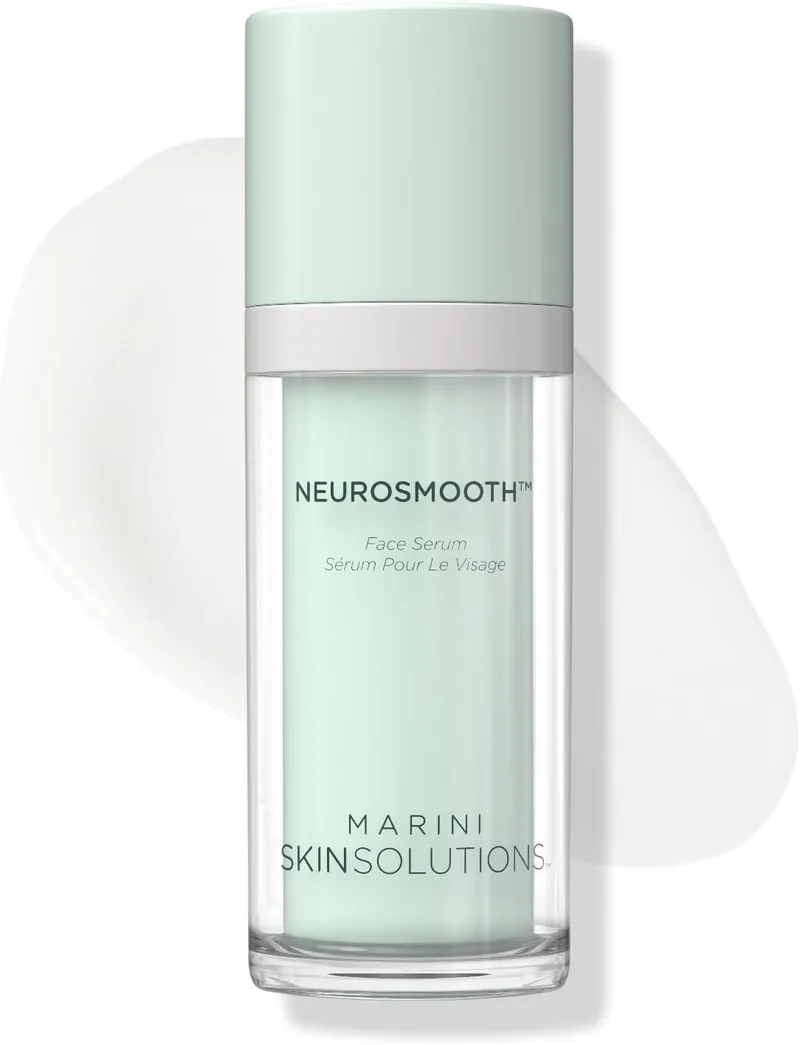
Marini SkinSolutions NeuroSmooth
4.6 ★ · 27 reviews
Marini SkinSolutions sits in the peptide lane — the fastest-growing category in skincare, with formulas that signal skin to behave...
How to build a complete peptide-based routine
Dry or mature skin:
- Gentle cream cleanser
- Hydrating toner (optional)
- Peptide serum
- Hyaluronic acid serum
- Rich night cream or facial oil
Combination skin:
- Cleanser (gel or foam)
- Peptide serum (AM: skip to sunscreen; PM: follow with lightweight moisturizer)
- Sunscreen (AM)
Sensitive skin:
- Gentle cleanser
- Peptide serum
- Centella or ceramide moisturizer
- Sunscreen (AM) / richer moisturizer (PM)
Peptides don’t require complex layering. The key is placing them early, waiting for absorption, and finishing with an occlusive. Start with once daily (evening) for the first 2 weeks if you have reactive skin. Most dermatologists agree that peptides are safe for long-term, daily use without tolerance buildup.
Peptides are the quiet overachiever of anti-aging skincare—subtle, gentle, and backed by clinical evidence. Use them consistently, layer them correctly, and your skin will reward you with firmness, hydration, and a visible boost in elasticity within 8 weeks.
Common questions
Can I use peptides with vitamin C?
Peptides work best at neutral pH, while vitamin C serums are acidic. Use them separately: vitamin C in the morning, peptides in the evening, or alternate days to maximize effectiveness of both.
How long does it take to see results from peptides?
Most people notice improved skin firmness and hydration within 4–6 weeks of consistent daily use. Fine lines and elasticity improvements typically take 8–12 weeks. Patience and consistent application are key.
Can I layer peptides with retinol?
Yes, but apply peptides first (on damp skin if preferred), then wait 15–20 minutes before retinol. This order protects your barrier while letting both ingredients work. Start with 2–3x weekly retinol if combining.
Do peptides need an occlusive on top?
Peptide serums are water-based and absorb quickly. Follow with a lightweight moisturizer or hydrating toner to lock in hydration. For dry skin, a richer cream at night amplifies the plumping effect.