
How to Layer Skincare Products in the Right Order
Skincare layering means applying products in a specific sequence — thinnest texture first, thickest last — so that active ingredients reach the skin rather than sitting on top of a barrier they cannot penetrate. Get the order wrong and a $60 vitamin C serum can do almost nothing; get it right and a $10 niacinamide does exactly what the clinical research says it should.
This article contains affiliate links. If you buy through them, PDRN.AI earns a small commission at no extra cost to you. See our affiliate disclosure.
What causes layering to go wrong
The single most common mistake is applying a heavier product before a lighter one. An occlusive moisturizer or oil applied too early creates a physical seal. Serums and actives applied afterward cannot cross that barrier at sufficient concentration. Studies on percutaneous absorption consistently show that formulation sequence affects how much active ingredient reaches the viable epidermis.
A secondary mistake is stacking incompatible actives at the same step. Vitamin C (ascorbic acid) is most stable at a low pH (around 2.5–3.5). Layering it immediately over a high-pH toner or immediately under a pH-raising niacinamide product can reduce its oxidation resistance and efficacy. The fix is simple — apply vitamin C first on freshly cleansed, dry skin and allow a brief absorption window before the next step.
The correct layering sequence
Follow this order every morning:
- Cleanser — removes overnight sebum, sweat, and any residue. Pat skin damp-dry, not bone-dry.
- Vitamin C serum (AM only) — applied directly to clean skin at its lowest effective pH. L-ascorbic acid at 10–20% is the most studied form; apply, let sit 60 seconds.
- Niacinamide serum — water-based, fast-absorbing. Niacinamide at 4–5% reduces sebum production and visible redness over 8–12 weeks. Apply once vitamin C has absorbed.
- Moisturizer — seals in the serums. Look for ceramides or hyaluronic acid. In a minimal routine, a lightweight moisturizer doubles as a prep layer for SPF.
- SPF (last AM step) — nothing goes over SPF in the morning. Reapply every two hours outdoors.
The evening sequence is shorter:
- Double cleanse (if you wore SPF or makeup) — oil cleanser or balm first, then a water-based cleanser
- Actives (PM only) — retinol, retinal, or tretinoin on dry skin. Do not layer over or under a vitamin C on the same night.
- Moisturizer — slightly richer than your AM version is fine.
The rule is simple: clean skin receives actives best; actives penetrate best before barriers; barriers (moisturizers, oils) seal everything in.
What the “thinnest first” rule actually means
Consistency is the most reliable proxy for molecular weight and formulation density. Liquids and essences → serums → lotions → creams → oils → balms. Each step sits on top of the previous one; if a thicker product goes first, subsequent layers effectively do not contact the skin surface.
This matters most for niacinamide and hyaluronic acid — both are water-based, fast-absorbing, and should land on clean or near-clean skin for best uptake. Applying either under a heavy cream is not catastrophically wrong, but it reduces contact time with the skin surface and likely reduces results.
How to build an effective morning line-up
EDITORIAL PICKS
STEP 1 — ANTIOXIDANT
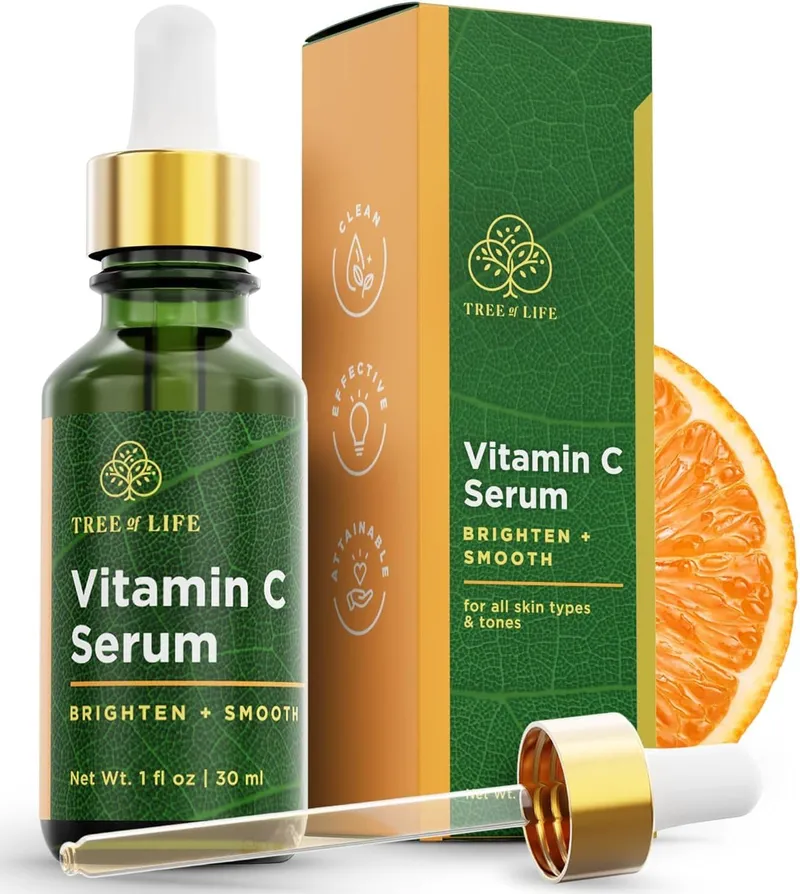
Tree of Life Beauty Vitamin C Skin Care Set
4.3 ★ · 56208 reviews
Ascorbic acid with real long-term evidence. Best on freshly cleansed skin, before niacinamide, every morning.
STEP 2 — SERUM
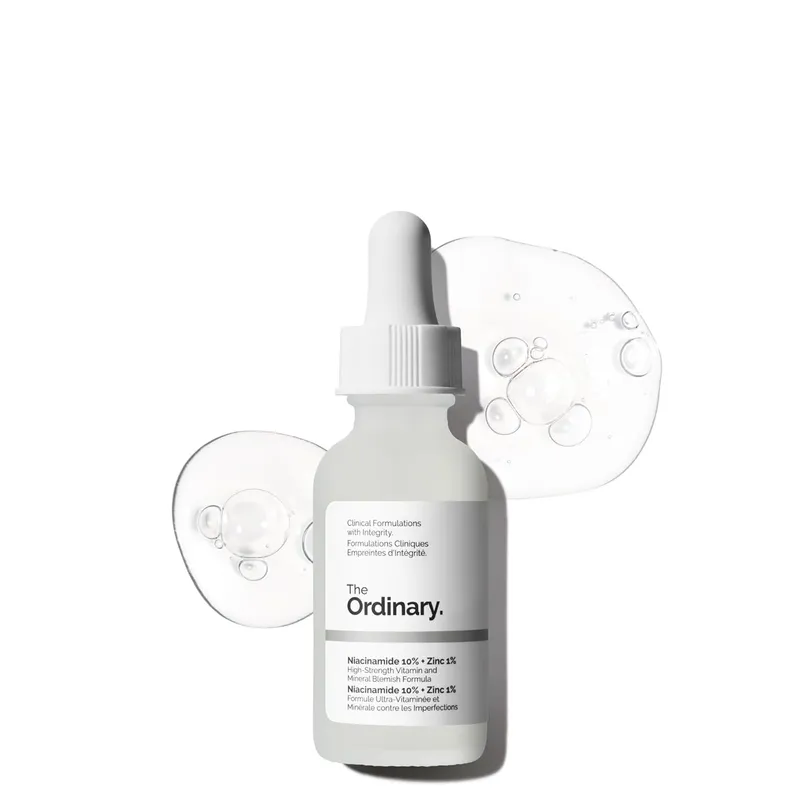
The Ordinary Niacinamide 10% + Zinc 1%
4.5 ★ · 53183 reviews
Multi-concern water-based serum that layers freely with most actives. Apply after vitamin C, before moisturizer.
PM STEP — RETINOID
The Ordinary Retinal 0.2% Emulsion
4.3 ★ · 17656 reviews
PM-only retinoid for readers committing to the long game. Apply on dry skin, start two nights a week, always follow with SPF in the morning.
FINAL AM STEP — SPF
mixsoon Bean Sunscreen SPF 50
4.6 ★ · 3234 reviews
Lightweight airy finish; the kind of SPF that makes daily reapplication easy. Always the absolute last morning step.
What won’t work no matter the order
Layering more products does not mean better results. Dermatologists consistently note that a five-step routine with well-chosen actives outperforms a ten-step routine where products conflict or cancel each other. Some combinations to avoid in the same session:
- AHAs/BHAs + retinoids (same step) — both increase cell turnover and barrier disruption simultaneously; use on alternating nights
- Two vitamin C products back to back — redundant and increases sensitivity risk
- Oil-based product before a water-based serum — the serum simply beads off and does not absorb
- SPF followed by anything else — sunscreen’s filter architecture is disrupted by layering over it
The niacinamide-plus-vitamin-C interaction is frequently cited online as problematic. The evidence for nicotinic acid flushing from this combination is largely theoretical at the concentrations found in cosmetics. Layering them works fine for most people — just apply vitamin C first and give it 30–60 seconds.
Building your PM routine around a retinoid
Retinoids (retinol, retinal, tretinoin) belong in the PM routine only. Retinol and its relatives degrade under UV and increase photosensitivity. Apply them at night on dry skin — not damp — to reduce delivery rate and irritation risk. Vitamin C and retinoids do not mix well in the same step; retinoids are most effective at a higher pH than vitamin C. Use vitamin C in the morning and retinoids at night.
A retinoid-based evening routine is one of the most evidence-backed skincare decisions you can make. The sequence is:
- Cleanse (double cleanse if wearing SPF or makeup — see our double cleansing guide)
- Allow skin to dry completely — 10–15 minutes, or a brief cool air-dry
- Apply retinoid (starting at lowest available concentration, two nights a week)
- Moisturizer on top — the “sandwich” method (moisturizer, retinoid, moisturizer) is useful for beginners to reduce initial dryness
PDRN (polydeoxyribonucleotide) is one ingredient that pairs logically with a retinoid routine: it supports barrier recovery and helps the skin handle the adjustment period, particularly for those combining retinoids with vitamin C.
For most people, a consistent six-step routine — cleanser, vitamin C (AM), niacinamide, moisturizer, SPF (AM) / retinoid (PM) — delivers clinically meaningful results within 8–12 weeks.
Common questions
Does vitamin C go before or after niacinamide?
Vitamin C goes before niacinamide. Apply vitamin C directly onto clean, dry skin and allow 30–60 seconds of absorption time. Then apply your niacinamide serum. The concern that these two actives produce a flushing compound (nicotinic acid) is largely theoretical at cosmetic concentrations; most users experience no adverse reaction from layering them in this order.
Can I apply retinol and vitamin C on the same night?
It is better to avoid combining retinol and vitamin C in the same nighttime step. Retinoids function most efficiently at a slightly higher pH than ascorbic acid vitamin C, and stacking both increases irritation risk without meaningful added benefit. The standard approach is vitamin C in the morning and retinol or retinal at night as separate routines.
What goes on before or after moisturizer?
Serums and actives go before moisturizer. The moisturizer is applied after all water-based serums have absorbed, functioning as a sealing layer that slows transepidermal water loss. In the morning, SPF goes on last — after moisturizer, not underneath it. Oil-based products and face oils also go after moisturizer in the AM, or can be used as the final PM step.
How long should I wait between skincare layers?
For most people, 30–60 seconds per step is sufficient. The main exception is vitamin C: allow one to two minutes on clean skin before layering over it to protect its oxidative stability. Retinoids benefit from fully dry skin, which may take 10–15 minutes post-cleanse. Beyond those two, waiting longer between steps does not meaningfully change results.