
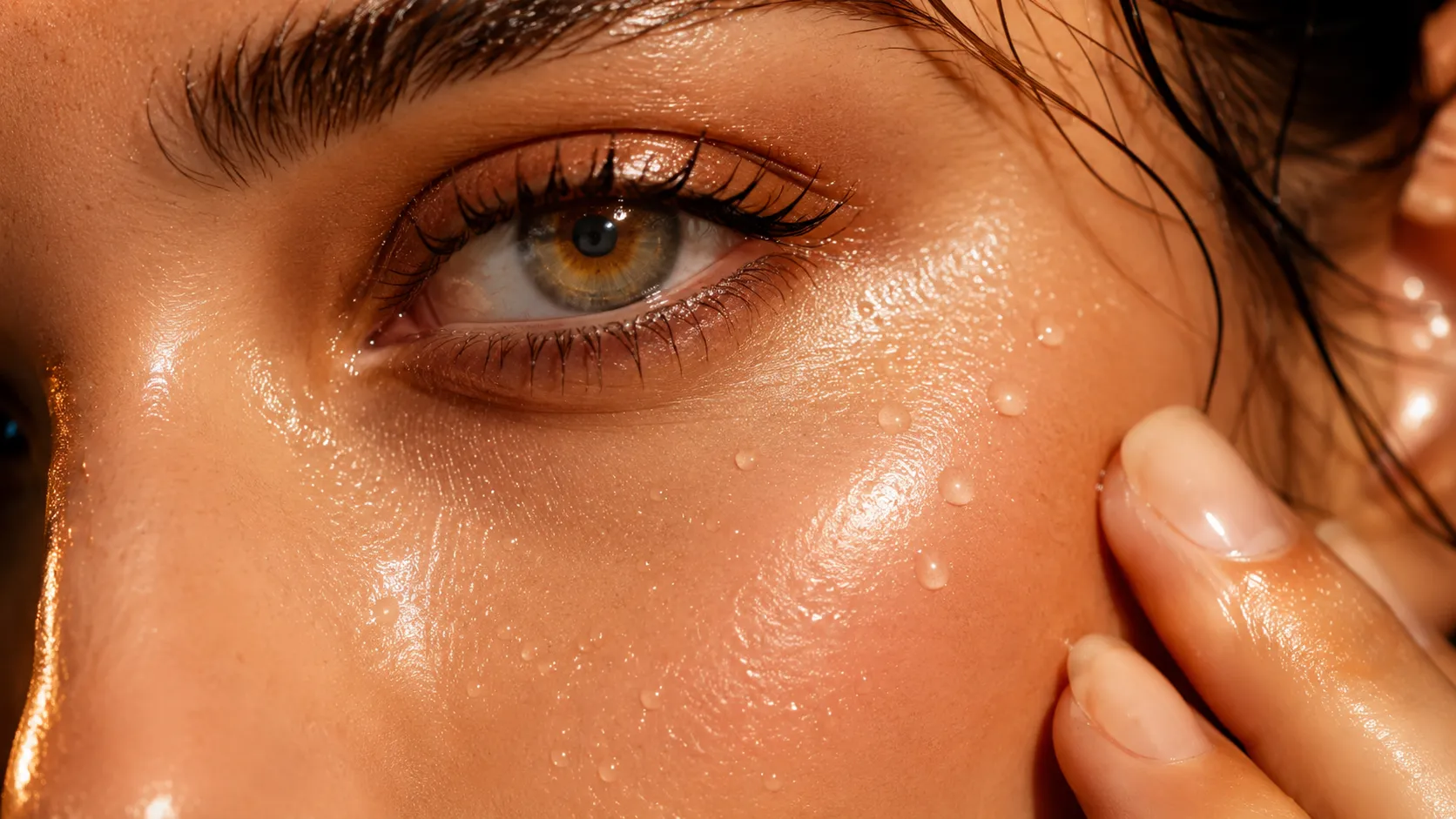
How to get rid of dark circles under eyes
Dark circles under the eyes are the visible darkening of skin beneath the lower eyelids, caused by a combination of genetics, aging, sleep deprivation, dehydration, and blood vessel visibility. While they’re not a sign of illness, they’re one of the most stubborn beauty complaints—partly because the under-eye area is uniquely thin (one-quarter the thickness of facial skin), with no oil glands to protect it. The good news: targeted skincare, lifestyle changes, and realistic expectations can visibly reduce their appearance in 4–12 weeks.
This article contains affiliate links. If you buy through them, PDRN.AI earns a small commission at no extra cost to you. See our affiliate disclosure.
What causes dark circles—and why they’re so persistent
Dark circles fall into three categories: vascular (blue or purple undertones from visible blood vessels and poor circulation), pigmentation (brown or gray from melanin deposits and sun exposure), and structural (shadows from loss of fat and collagen making the area appear hollowed). Most people have a combination.
Sleep deprivation doesn’t create dark circles—it emphasizes them. During sleep, blood vessels constrict and fluid drains from your face; when you’re tired, this doesn’t happen efficiently, causing fluid retention and bloodshot appearance that casts shadows under the eyes. Similarly, dehydration thickens blood and reduces skin plumping, making circles more pronounced.
Genetics play the largest role. Studies show that 40–50% of dark circle severity is inherited, determined by your natural skin thickness, melanin distribution, and how prominently your blood vessels sit beneath the eye. This is why sun protection matters so much—combined with retinol and retinoid strategies, sunscreen prevents further sun-damage darkening over months and years.
The mistake most people make: using the wrong products in the wrong order
The biggest error? Applying heavy moisturizers or regular face serums under the eyes. The eye area has no sebaceous glands and extremely thin dermis—it doesn’t need occlusive face products, which sit on the surface and trap irritants. This causes milia, irritation, and actually worsens puffiness.
The second mistake: expecting quick results. Dark circles that took years to develop (from genetics, sun damage, aging, and lifestyle) won’t vanish in a week. Dermatologists agree that visible improvement requires 8–12 weeks of consistent, targeted treatment.
The third: ignoring lifestyle factors. No eye cream can fully compensate for chronic sleep deprivation, chronic dehydration, excessive alcohol, or smoking. All three directly impair microcirculation and collagen integrity.
How to reduce dark circles: the step-by-step method
1. Start with hydration (weeks 1–4)
Apply a lightweight hydrating serum before your moisturizer, not instead of it. Look for hyaluronic acid (HA) or snail mucin—both draw water into the skin and plump fine lines, making the under-eye appear fuller and less shadowed. Apply the serum to damp skin, then seal immediately with a lightweight eye cream. If you apply HA to dry skin without sealing, it can actually pull water out, worsening dehydration.
2. Add peptides for firmness (weeks 2–6)
Peptides signal skin cells to produce more collagen, addressing the structural hollowing that creates shadows. Clinical research shows measurable firming at 8–12 weeks. Use a peptide serum in the morning or evening, layering it under your moisturizer. Results are slow but cumulative.
3. Strengthen barrier function (ongoing)
A weakened barrier allows irritants deeper, triggering inflammation that darkens the area. Use niacinamide (4–5% concentration) 3–4x weekly in your eye area—it strengthens the skin’s moisture barrier, reduces inflammation, and can slightly brighten pigmentation. For more insight on barrier health, check our guide on hyaluronic acid and hydration. Avoid over-exfoliating; the under-eye area should only get a gentle physical exfoliation (soft washcloth, not acids) once per week if at all.
4. Add broadband sunscreen daily (especially weeks 4+)
Sun exposure thickens melanin in the under-eye, darkening pigmentation-based circles. Use a mineral sunscreen (zinc oxide or titanium dioxide) SPF 30+ daily on the under-eye area. Chemical sunscreens can irritate the thin eye skin; mineral formulas sit on the surface and are less likely to migrate into the eye.
5. Lifestyle: sleep, hydration, and circulation
- Sleep: 7–9 hours nightly allows fluid drainage and blood vessel constriction, reducing puffiness and darkening. Even one night of 4–5 hour sleep visibly worsens circles temporarily.
- Hydration: Drink at least 8 glasses of water daily. Chronic dehydration thickens blood and reduces skin plumping, emphasizing circles.
- Reduce alcohol and smoking: Both impair microcirculation and dehydrate skin. Alcohol flushes blood vessels and increases fluid retention, temporarily darkening circles.
- Gentle eye massage: Using your ring finger (which applies the least pressure), gently massage the orbital bone in small circles for 30 seconds, 2x daily. This stimulates lymphatic drainage and blood flow, reducing fluid retention and darkening.
Editorial picks
EDITORIAL PICKS

BEST OVERALL
Lancme Gnifique Ultimate Recovery Serum
4.7 ★ · 34,520 reviews
Lancme uses HA as the active — surface hydration that plays well with the rest of a routine. Apply to damp skin and seal with moisturizer — without that step it can pull water out, not in.
BEST FOR BARRIER REPAIR
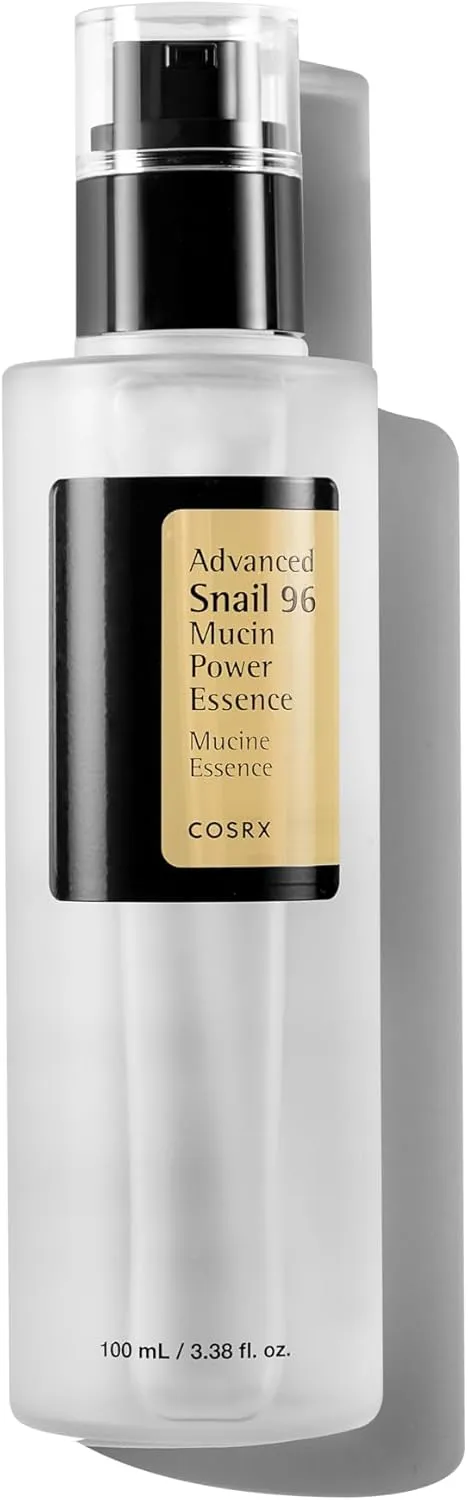
COSRX Advanced Snail 96 Mucin Power Essence
4.5 ★ · 99,599 reviews
Cosrx uses snail mucin as the active, which earns its reputation for barrier support over weeks rather than days. Apply after toner, before moisturizer; works in nearly every routine.
BEST FOR FIRMNESS
goop Beauty Peptide Serum
4.2 ★ · 17,297 reviews
This peptide serum sits in the peptide lane — the fastest-growing category in skincare, with formulas that signal skin to behave like it younger. Use morning or night; effects build slowly over eight to twelve weeks.
The under-eye area is one-quarter the thickness of regular facial skin, which means what you use there matters more than what you use anywhere else.
What won’t work for dark circles
Caffeine eye serums have become trendy, but clinical evidence is weak. While caffeine may temporarily constrict blood vessels, the effect lasts only hours and doesn’t address root causes. The Ordinary’s caffeine serum is inexpensive, but dermatologists note that hydration and peptides have far stronger, longer-lasting effects.
Eye patches and masks won’t shrink dark circles permanently. Cold spoons or jade rollers reduce puffiness temporarily by constricting blood vessels, but this is cosmetic masking, not treatment. When skin temperature normalizes, puffiness returns.
Concealer is a symptom management tool, not a permanent solution. It can cover circles for an event, but daily reliance without treating underlying causes means circles persist or worsen over time.
Expensive “eye contour serums” aren’t inherently better than a good hyaluronic serum layered under a lightweight moisturizer. Look at the actives, not the brand name: HA (2–3%), snail mucin (90%+), or peptides (2–5%) are your evidence-based choices. We recommend starting with one active and adding a second after 4–6 weeks.
Common questions
Why do dark circles get worse with age?
The under-eye area loses collagen and fat volume starting in your 30s, creating structural hollowing that casts shadows. Simultaneously, skin thins further, making blood vessels beneath more visible. Sun damage and years of sleep deprivation compound pigmentation darkening. This is why combining peptides (for collagen), hydration (for plumping), and sunscreen (to prevent further damage) is so effective.
Can you get rid of dark circles permanently without treatment?
Genetics account for 40–50% of severity, so no—you cannot completely erase them if they’re inherited. However, 4–12 weeks of consistent hydration, peptides, sunscreen, and improved sleep can reduce their appearance by 30–50%. Medical treatments (laser, filler, microneedling) offer more dramatic results, but over-the-counter skincare is the evidence-based first step.
What’s the difference between dark circles and under-eye bags?
Dark circles are darkening or pigmentation; under-eye bags are puffiness or swelling from fluid retention. They often occur together. Bags respond better to cold compresses and gentle lymphatic massage; dark circles respond to hydration and peptides. Both benefit from improved sleep and hydration.
How long until I see results?
Hydration-based improvements (skin plumping) appear in 2–4 weeks. Peptide effects (collagen signaling) take 8–12 weeks. Lifestyle changes (sleep, hydration) show results in 1–3 days but only temporarily if not sustained. The longest timeline is sun-damage-related pigmentation lightening—expect 12 weeks minimum with sunscreen and vitamin C or niacinamide.
Is niacinamide good for dark circles?
Niacinamide (4–5%) strengthens the skin barrier, reduces inflammation, and can slightly brighten pigmentation over 6–8 weeks. It’s a supporting ingredient, not a primary treatment. Use it 3–4x weekly if your barrier is compromised; don’t rely on it alone to fade circles caused by genetics or structural loss.