
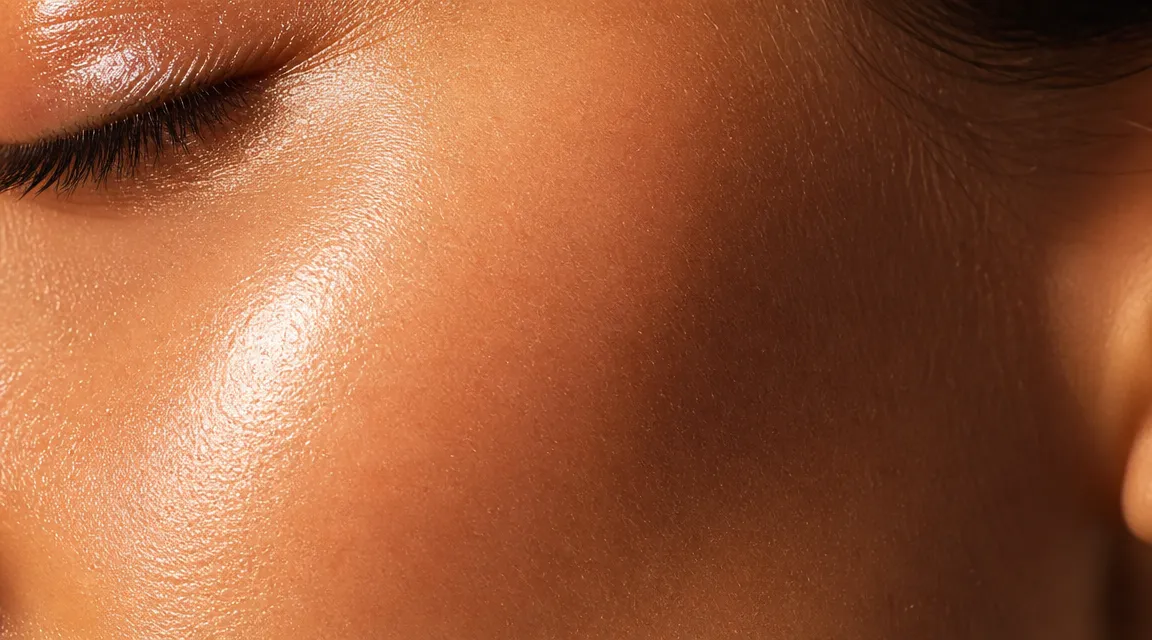
Uneven skin tone — patches of darkness, redness, or discoloration that don’t match your baseline — is driven by melanin overproduction triggered by UV exposure, post-inflammatory response, and hormonal fluctuation. The evidence-backed approach is a four-part active regimen: vitamin C in the morning to block melanin synthesis, niacinamide at night to interrupt melanin transfer, a retinoid two to three times weekly to accelerate cell turnover, and SPF every single day to prevent the cycle from restarting. Clinical research consistently shows measurable improvement in skin tone evenness within eight to twelve weeks when this stack is used consistently and correctly.
This article contains affiliate links. If you buy through them, PDRN.AI earns a small commission at no extra cost to you. See our affiliate disclosure.
What actually causes an uneven complexion
Skin color is determined by melanin, produced by melanocytes in the basal layer of the epidermis. When those cells receive a stress signal — ultraviolet radiation, inflammation from a breakout, or a hormonal surge — they upregulate melanin production. If that signal is chronic or intense, the melanin deposits unevenly and the result is visible discoloration. Dermatologists identify three primary types: solar lentigines (UV-induced dark spots), post-inflammatory hyperpigmentation or PIH (from acne, eczema, or any skin injury), and melasma (symmetrical hormone-driven patches, most common during pregnancy or hormonal contraception).
Each type responds at a different pace. Solar lentigines typically fade most reliably with consistent vitamin C and SPF within eight to twelve weeks. PIH from acne resolves more slowly — particularly in deeper Fitzpatrick skin tones, where the inflammatory melanocyte response is stronger and where even brief UV exposure can re-trigger a spot that appeared to be fading. Melasma is the most stubborn category and often requires dedicated actives like tranexamic acid or azelaic acid layered on top of a baseline brightening routine. Understanding which type you are dealing with sets realistic expectations for your twelve-week window. For a deeper look at targeted dark spot strategies, see our guide on how to get rid of dark spots on the face.
The mistake that keeps skin tone uneven
The most common failure mode is adding one brightening serum, using it sporadically for a few weeks, and concluding that it doesn’t work. Evening out skin tone requires a complete system, not a single product used inconsistently. Each ingredient in the four-part stack targets a different stage of the melanin process: vitamin C inhibits tyrosinase, the enzyme that produces melanin; niacinamide blocks the transfer of melanin packages from melanocytes to surface skin cells; retinoids speed up the shedding of already-pigmented skin cells; and SPF prevents UV radiation from restarting the entire cascade each morning. Remove any one element and the others operate at a fraction of their clinical potential.
The second mistake is relying too heavily on exfoliation. Physical scrubs and high-concentration acid peels remove surface cells but do not intervene in the deeper epidermal processes where melanin is deposited and transferred. Gentle AHA exfoliation — glycolic or lactic acid at five to ten percent, one to two times weekly — can usefully accelerate cell turnover alongside the core stack, but it is a supporting ingredient rather than a replacement for any of the four active categories. Over-exfoliating can also compromise the skin barrier, triggering inflammation and paradoxically worsening post-inflammatory hyperpigmentation. We have a detailed breakdown of niacinamide’s mechanism in our article on niacinamide in skincare.
EDITORIAL PICKS — THE 12-WEEK STACK
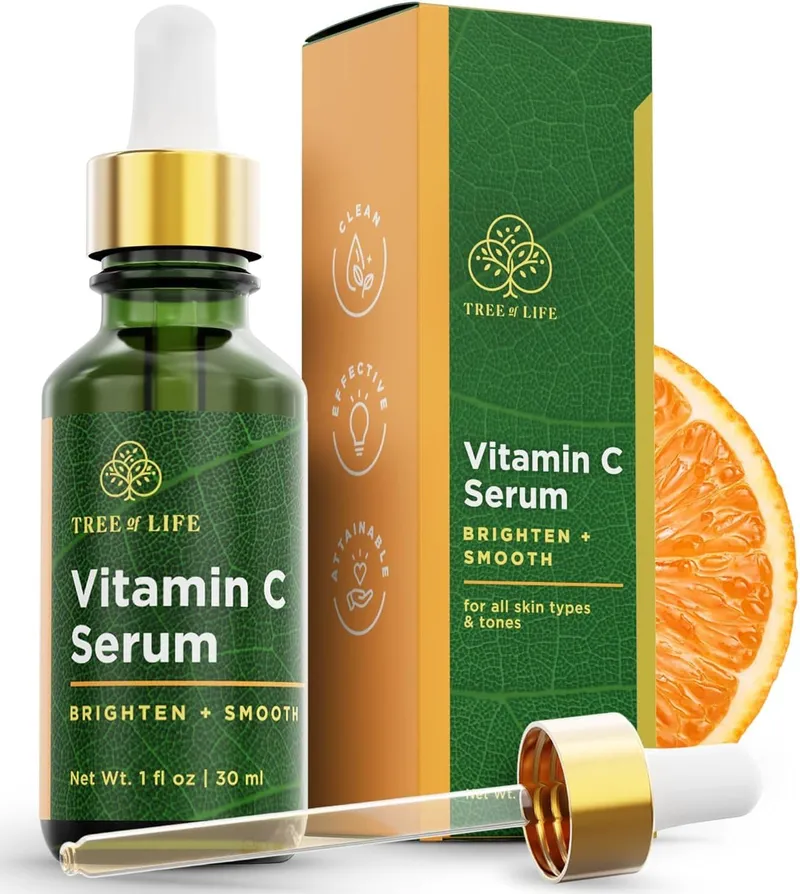
BEST VITAMIN C
Tree of Life Beauty Vitamin C Skin Care Set
4.3 ★ · 56,208 reviews
Tree of Life targets the brightening and antioxidant lane with ascorbic acid — one of the few skincare actives with real long-term evidence behind it. Best used in the morning under sunscreen, on alternate days from retinoids.
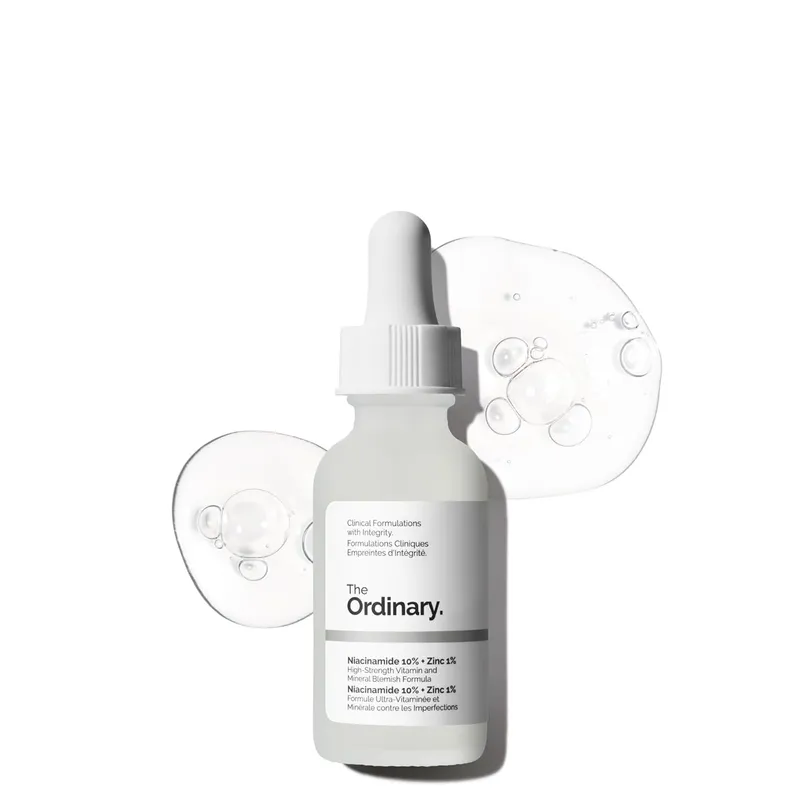
BEST NIACINAMIDE
The Ordinary Niacinamide 10% + Zinc 1%
4.5 ★ · 53,183 reviews
The Ordinary is the kind of unflashy, do-its-job niacinamide we recommend often — multi-concern, well-tolerated, reasonably priced. Layer freely with most actives; effective at 4-10% over six to eight weeks.
BEST RETINOID
The Ordinary Retinal 0.2% Emulsion
4.3 ★ · 17,656 reviews
The Ordinary is a vitamin-A formula for readers ready to step beyond surface-level skincare and commit to the long-tolerance build. Start two nights a week and build up; always pair with morning SPF.
BEST SPF
mixsoon Bean Sunscreen SPF 50
4.6 ★ · 3,234 reviews
Mixsoon earns a place in the daily-SPF conversation — protection is non-negotiable and the finish matters more than the marketing. Apply as the last morning step, and reapply every two hours if outdoors.
The 12-week protocol, step by step
The protocol is straightforward, but sequence and consistency matter as much as ingredient selection. Each step targets a specific mechanism in the pigmentation pathway.
- Cleanse — Morning and evening with a gentle, non-stripping cleanser. A compromised skin barrier amplifies sensitivity to actives and can worsen inflammation-driven pigmentation.
- Vitamin C serum — morning only — Apply to dry skin after cleansing, allow 60 to 90 seconds before layering. Use a formula with at least 10% L-ascorbic acid or a stable derivative such as MAP (magnesium ascorbyl phosphate) or THD (tetrahexyldecyl ascorbate). Vitamin C reduces melanin production by inhibiting the tyrosinase enzyme. It also quenches UV-generated free radicals before they trigger post-inflammatory responses.
- SPF 50 PA++++ — last morning step, daily — This is the non-negotiable anchor of the entire routine. Broad-spectrum sunscreen prevents UV from re-triggering melanin synthesis each morning, which means your evening actives can accumulate benefit rather than constantly playing catch-up. An SPF that sits well on the skin and gets worn consistently outperforms a high-performing SPF used sporadically.
- Niacinamide serum — evening — Apply after cleansing, before moisturizer. Niacinamide (vitamin B3) at 5% concentration reduces melanin transfer by inhibiting melanosome movement between melanocytes and keratinocytes. Dermatologists agree it is one of the most versatile and forgiving brightening actives available without a prescription. It layers safely with most other ingredients at cosmetic concentrations.
- Retinoid — two to three evenings per week — Begin with the lowest available concentration and introduce over four weeks before increasing frequency. Retinoids accelerate keratinocyte turnover, pushing pigmented cells to the surface and out of the skin faster. They also normalize melanocyte behavior over time. Always follow with SPF the next morning; retinoids increase photosensitivity in the short term.
Vitamin C and niacinamide can be used in the same routine — the old concern about the pairing producing niacin flush has been refuted at cosmetic concentrations. The AM/PM split recommended here is practical rather than chemical: it separates two actives with different stability windows and ensures each is delivered at the moment it is most useful.
What to expect, week by week
Most people expect visible brightening within two weeks and abandon the routine before it has time to work. Understanding what is happening in each phase prevents that drop-off.
- Weeks 1–4: Barrier stabilization and adaptation. The retinoid may cause mild dryness or sensitivity — this is normal and does not indicate incompatibility. No visible brightening yet. The vitamin C and niacinamide are establishing baseline levels in the skin. SPF is already working; it simply prevents new damage that you cannot see.
- Weeks 4–8: First brightening and refinement. Early-stage dark spots begin to lighten at the edges. Pores may appear smaller — a niacinamide effect on sebum regulation. Overall skin texture typically improves as retinoid-driven turnover accelerates. This is the phase where consistency compounds.
- Weeks 8–12: Measurable tone change. Solar lentigines typically reduce in intensity by 30 to 60 percent. Post-inflammatory hyperpigmentation is noticeably less prominent. The overall complexion reads as more even and luminous rather than just lighter in isolated patches. Continued use maintains and extends these results.
The honest truth about uneven skin tone is that SPF isn’t an optional add-on — it is the mechanism. Vitamin C, niacinamide, and retinoids build visible change in the evenings, and UV radiation undoes it every morning. The best serum in the world cannot outpace an unprotected face used daily in UV exposure.
When slow results are telling you something
If eight weeks of consistent use delivers minimal visible change, two adjustments should precede adding new products. First, audit your SPF application volume — dermatologists consistently observe that most people apply 25 to 50 percent of the quantity required for the labeled SPF level, which substantially reduces protection. A full teaspoon for the face, neck, and ears is the standard recommendation, and re-application after two hours outdoors is not optional if UV exposure continues.
Second, assess whether the primary concern is melasma rather than PIH or solar lentigines. Melasma has a hormonal driver that brightening actives can only partially address topically. It responds better to dedicated actives — tranexamic acid has shown strong clinical data for melasma specifically — alongside rigorous sun avoidance that includes UV-filtering windows and indoor exposure. In persistent or severe cases, a dermatologist consultation is the appropriate next step rather than a higher-concentration stack.
Deeper Fitzpatrick skin tones often require a longer timeline — not because hyperpigmentation is inherently more stubborn, but because the melanocyte response to both UV and inflammation is stronger, and over-exfoliation or harsh actives can trigger new PIH more easily than it would in lighter tones. The practical adjustment is to prioritize niacinamide and SPF over acid exfoliants, keep the retinoid at a gentle concentration, and evaluate results at sixteen to twenty weeks rather than twelve.
Common questions
How long does it take for vitamin C to even out skin tone?
Studies have demonstrated visible brightening from stabilized 10–20% vitamin C formulas within 8 to 12 weeks of consistent daily morning use. Fading of established solar lentigines typically takes 12 to 16 weeks. The most important variable is SPF: without daily broad-spectrum sun protection, vitamin C’s tyrosinase-inhibiting effect is largely negated by ongoing UV melanin re-triggering each morning, effectively resetting progress.
Can niacinamide and a retinoid be used together for hyperpigmentation?
Yes, and clinical research shows the combination outperforms either ingredient used alone. Niacinamide inhibits melanin transfer — the step between production and visible darkening — while retinoids accelerate the shedding of already-pigmented cells. The practical approach is niacinamide nightly and the retinoid on alternating nights, particularly during the first four weeks, to give the skin barrier time to adapt before building to a higher frequency.
Does sunscreen really make that much difference for skin tone?
SPF is the single highest-leverage variable in any brightening routine. Dermatologists consistently report that patients using actives without daily SPF 50 show slower or absent improvement because UV radiation re-triggers melanin production every morning, overwriting overnight progress from vitamin C and niacinamide. Broad-spectrum sunscreen applied every day — including overcast days and indoors near windows — is the mechanism that allows brightening actives to accumulate visible effect over weeks.
Which type of hyperpigmentation responds slowest to topical skincare?
Melasma is the most resistant to topical-only approaches because it has an ongoing hormonal trigger that topical actives cannot switch off. Post-inflammatory hyperpigmentation in Fitzpatrick types IV through VI also responds more slowly because the melanocyte response to inflammation and UV is more pronounced, and re-triggering occurs more readily. For both types, extending the evaluation window to 16 to 20 weeks — and adding tranexamic acid or azelaic acid — is more productive than increasing existing active concentrations prematurely.