
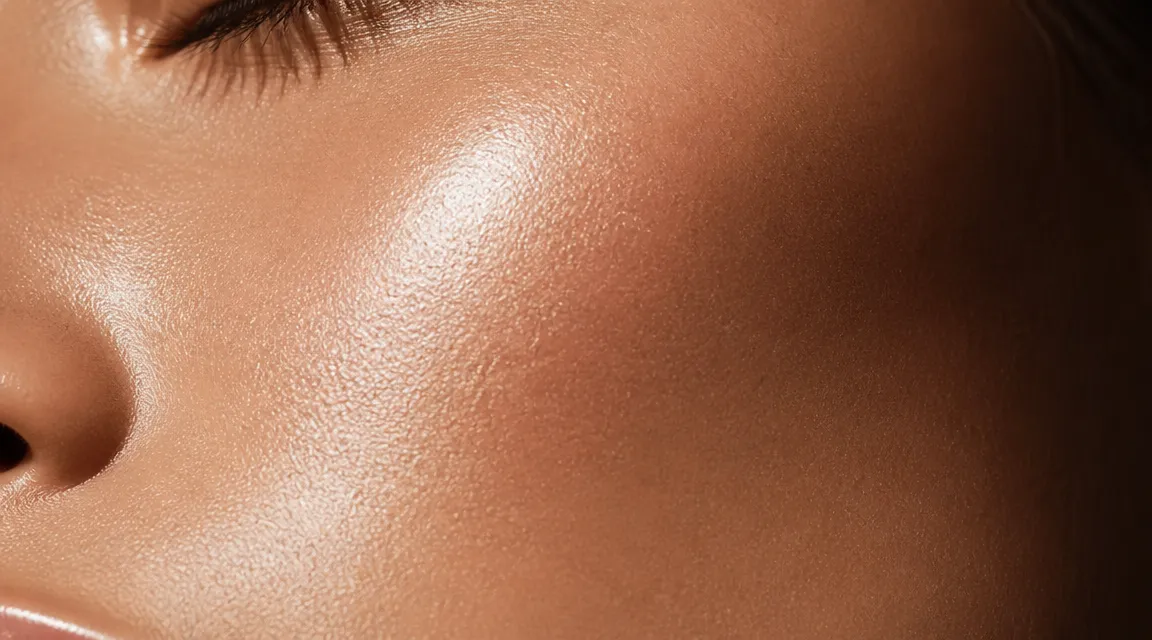
Fading acne scars without dermatologist visits is achievable for most people dealing with post-inflammatory hyperpigmentation (PIH) and post-inflammatory erythema (PIE) — the flat dark marks and reddish patches that linger after breakouts clear. A consistent routine built around vitamin C, niacinamide, a retinoid, and daily SPF 50 can visibly lighten these marks over eight to twelve weeks. The caveat: structurally indented scars — ice pick, boxcar, rolling — have a lower topical ceiling and may eventually warrant in-office attention.
This article contains affiliate links. If you buy through them, PDRN.AI earns a small commission at no extra cost to you. See our affiliate disclosure.
EDITORIAL COMPARISON
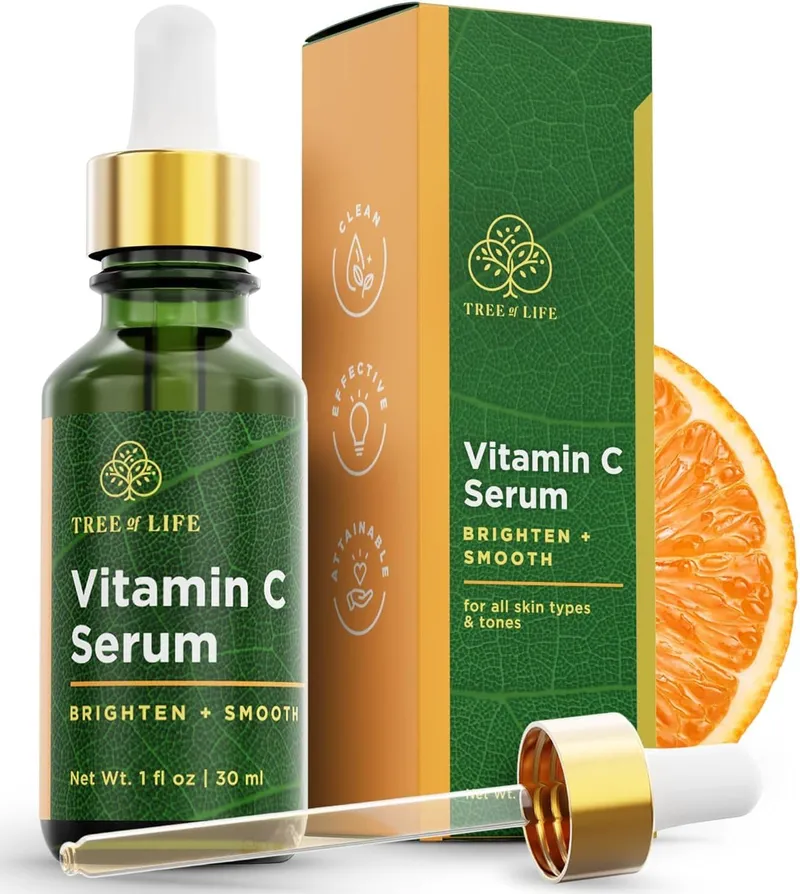
BEST BRIGHTENER
Tree of Life Beauty Vitamin C Skin Care Set
4.3 ★ · 56,208 reviews
Tree of Life targets the brightening and antioxidant lane with ascorbic acid — one of the few skincare actives with real long-term evidence behind it.
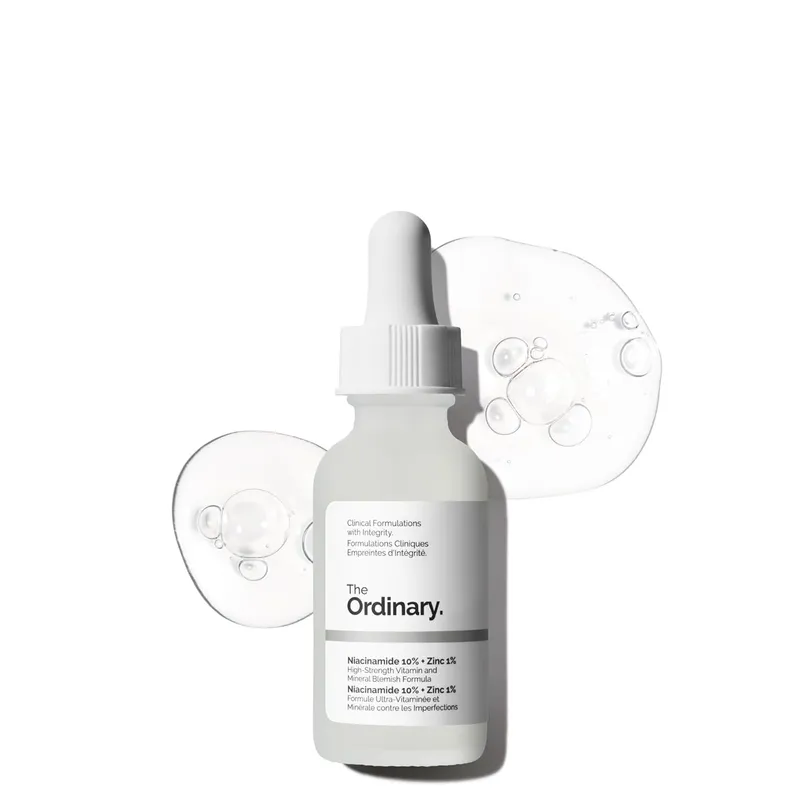
BEST DAILY SERUM
The Ordinary Niacinamide 10% + Zinc 1%
4.5 ★ · 53,183 reviews
The Ordinary is the kind of unflashy, do-its-job niacinamide we recommend often — multi-concern, well-tolerated, reasonably priced.
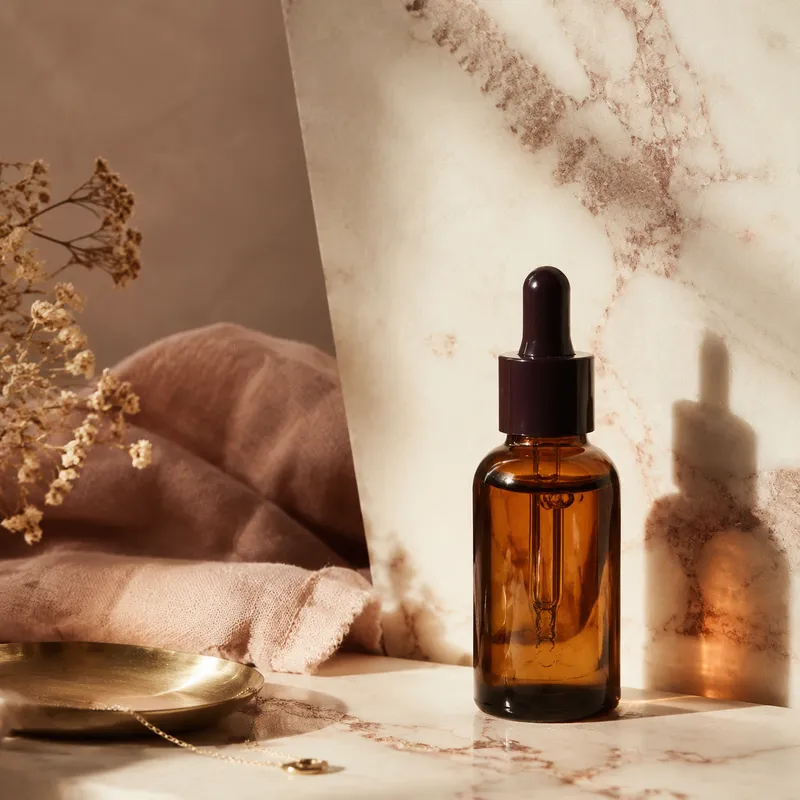
BEST FOR POST-ACNE MARKS
CeraVe Resurfacing Retinol Serum For Post Acne Marks
4.5 ★ · 5,467 reviews
CeraVe sits in the cluttered middle of the retinoid market — the readers who graduate to this rung know what they’re after. Start two nights a week and build up; always pair with morning SPF.
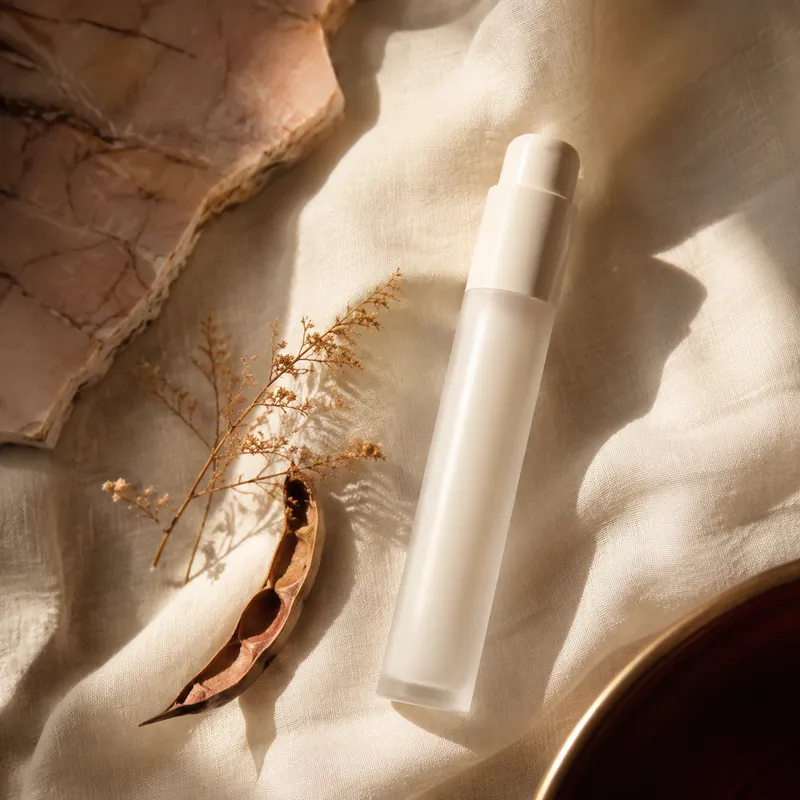
BEST SPF SHIELD
Mixsoon Bean Sunscreen SPF 50
4.6 ★ · 3,234 reviews
Mixsoon earns a place in the daily-SPF conversation — protection is non-negotiable and the finish matters more than the marketing. Apply as the last morning step, and reapply every two hours if outdoors.
What “acne scars” actually means — and why the distinction matters
The umbrella term “acne scars” covers at least three distinct skin responses, and conflating them is the reason so many people waste months on the wrong products.
Post-inflammatory hyperpigmentation (PIH) is the flat, brown-to-tan discoloration that forms after a pimple heals, produced by excess melanin during the inflammatory response. It is significantly more visible in medium-to-deep skin tones and can persist for months without treatment. Post-inflammatory erythema (PIE) is the pink or red mark more common in lighter skin tones — it is vascular rather than pigment-based and operates on a different biological timeline. Both PIH and PIE are technically not scars in the clinical sense; they are post-inflammatory marks the skin is already working to resolve.
Atrophic scars — ice pick, boxcar, and rolling — are genuinely structural. The dermis lost collagen during a deep or prolonged breakout, leaving a physical indentation that no topical can fill. This distinction determines your ceiling: if your concern is flat discoloration, an at-home protocol can deliver substantial results over eight to twelve weeks. If the skin is physically depressed, topicals improve the surrounding texture but cannot address the structural deficit without in-office procedures.
The trap most people fall into
The most common error is skipping sun protection while layering brightening actives. UV exposure oxidises melanin the skin is actively clearing, essentially resetting the fading process every morning. Dermatologists agree that no brightening serum can outpace daily unprotected sun exposure. SPF 50 applied every morning is not optional — it is the single most impactful step in any scar-fading protocol, and skipping it makes everything else less effective.
The second trap is introducing too many actives simultaneously. Vitamin C, retinoids, and AHAs each accelerate cell turnover. Using all three in the same week before skin has adapted leads to barrier disruption, rebound inflammation, and — paradoxically — new post-inflammatory pigmentation from the irritation itself. Sequential introduction with a two-week tolerance window between new actives is the approach that actually holds.
A subtler but equally common error is expecting results in two to three weeks and abandoning the protocol before it has had time to work. Melanin synthesis and clearance operate on the timescale of the skin’s natural cell turnover cycle — approximately four weeks — which means visible improvement requires a minimum of two full cycles, and realistic assessment happens at week eight.
The evidence-based hierarchy is sun protection first, brighteners second, exfoliation third, retinoids fourth — introducing them in that order is the reason some routines work and most don’t.
How to fade acne scars: the step-by-step protocol
The following protocol is designed for PIH and PIE. For atrophic scars, steps 1–4 remain valid as adjuncts, but structural improvement requires clinical intervention and this protocol will not close the indentations.
- Weeks 1–2: Commit to daily SPF 50, no exceptions. This step alone will slow new pigmentation formation and allow existing marks to begin clearing without being re-darkened by UV exposure. Apply as the final morning step after moisturiser.
- Weeks 1–2: Add niacinamide (5–10%) to the morning routine. Niacinamide reduces melanin transfer from melanocytes to keratinocytes at this concentration, and clinical research confirms measurable lightening over six to eight weeks of daily use. It pairs without issue alongside nearly every other active.
- Weeks 2–4: Introduce vitamin C (ascorbic acid, 10–20%) before SPF. Ascorbic acid inhibits tyrosinase — the enzyme driving melanin synthesis — and provides antioxidant protection that amplifies SPF performance. Studies have demonstrated visible brightening within four to twelve weeks of consistent AM use. Apply before sunscreen on fully healed skin.
- Weeks 4–6: Start a retinoid two nights per week. Retinoids accelerate keratinocyte turnover, physically shedding pigmented surface cells faster. Over time, they also stimulate collagen production for modest textural improvement in shallow rolling scars. As covered in our retinol vs retinal vs tretinoin guide, retinal sits in a useful middle tier — meaningfully stronger than retinol but available without prescription. Begin at the lowest frequency and build only after skin has adapted.
- Weeks 6+: Consider a weekly AHA exfoliant. Glycolic or lactic acid accelerates shedding of pigmented surface cells. Use once weekly, not nightly, and never on the same evening as a retinoid. This is an accelerant in an already-functional routine, not a foundation.
Which ingredients have the strongest evidence for PIH and PIE
Not all brightening ingredients are equal. Here is what the clinical literature supports specifically for post-inflammatory pigmentation:
- Niacinamide (5–10%): Reduces melanin transfer to surface skin cells. Effective over six to eight weeks of daily use. Low irritation profile — compatible with sensitive skin and most actives. As we covered in our deep dive on niacinamide, it also addresses sebum regulation and barrier support simultaneously, which makes it one of the most efficient actives in a multi-concern routine.
- Ascorbic acid (10–20%): The most-studied topical brightener. Tyrosinase inhibitor and antioxidant. Stability varies by formula — choose airless pumps or opaque packaging to minimise oxidation.
- Retinoids: Accelerate surface pigment clearance and stimulate collagen. Prescription tretinoin is the most documented; retinol and retinal are accessible OTC options with slower onset. Begin slowly and never skip SPF while using.
- Azelaic acid (10–20%): Both a tyrosinase inhibitor and an anti-inflammatory, making it particularly well-suited to skin that also runs sensitive or rosacea-prone. Underestimated and underused in Western skincare routines.
- AHAs (glycolic, lactic acid): Accelerate the shedding of pigmented surface cells. Best used weekly as an exfoliation layer rather than daily, to avoid chronic barrier disruption that creates new inflammation.
What home care cannot do for atrophic scars
Deep atrophic scars — particularly ice pick scars, which form narrow channels into the dermis — do not respond meaningfully to topicals. The structural deficit is beneath the layers that topical actives can reach. Rolling and boxcar scars have a partial topical ceiling: retinoids can produce modest improvement in shallow rolling scars over twelve to twenty-four weeks, but the gains are limited and the overall appearance remains determined primarily by dermal architecture.
If twelve consistent weeks of the above protocol — daily SPF, two brightening actives, a retinoid — have not produced visible improvement in texture, the scar type likely has a structural component. Chemical peels, microneedling, and fractional laser all operate at depths that topicals cannot reach. This is not a failure of home care; it reflects a biological ceiling that topicals were never equipped to breach.
PIH and PIE, by contrast, should show measurable fading within eight to twelve weeks of the above protocol with consistent SPF. If marks are not improving on that timeline, the most frequent culprits are inconsistent sun protection, new breakouts actively replenishing the pigment load, or hormonal pigmentation — which overlaps with but is distinct from post-acne marks.
Common questions
How long does it take to fade acne scars at home?
Post-inflammatory hyperpigmentation (PIH) typically shows visible improvement in six to twelve weeks with a consistent protocol of SPF 50, niacinamide, and vitamin C applied daily. Post-inflammatory erythema (PIE) can take slightly longer, as vascular redness clears more slowly than pigment. Structurally indented atrophic scars — ice pick, boxcar, rolling — do not fade with topicals; they require in-office procedures for structural correction.
Does niacinamide actually fade acne scars?
Yes — specifically for post-inflammatory hyperpigmentation. Niacinamide reduces melanin transfer at 5–10% concentration, and clinical research confirms measurable lightening over six to eight weeks of daily use. It does not close atrophic scars, and it is less effective for purely vascular post-inflammatory erythema than for pigment-based marks. Its strongest advantage is tolerance — it works alongside retinoids, AHAs, and vitamin C without compatibility issues.
Is daily sunscreen really necessary for fading acne scars?
Yes — and it is arguably the most important variable in any PIH fading protocol. Unprotected UV exposure oxidises melanin the skin is already clearing and activates fresh tyrosinase activity, driving new pigmentation. Brightening serums applied without daily SPF 50 are fighting against constant counter-pressure — results will be slower, incomplete, or entirely absent. SPF is not a supporting step; it is the foundation the entire protocol depends on.
Can retinol alone fade post-acne marks?
Retinol accelerates keratinocyte turnover, physically shedding pigmented surface cells faster, and stimulates collagen synthesis over twelve or more weeks of use. It can meaningfully reduce PIH when layered onto an SPF and niacinamide base. For shallow rolling scars, collagen stimulation may produce modest textural gains over six months. For ice pick or deep boxcar scars, retinol is insufficient as a standalone — its realistic role is maintenance and prevention alongside in-office procedures.