
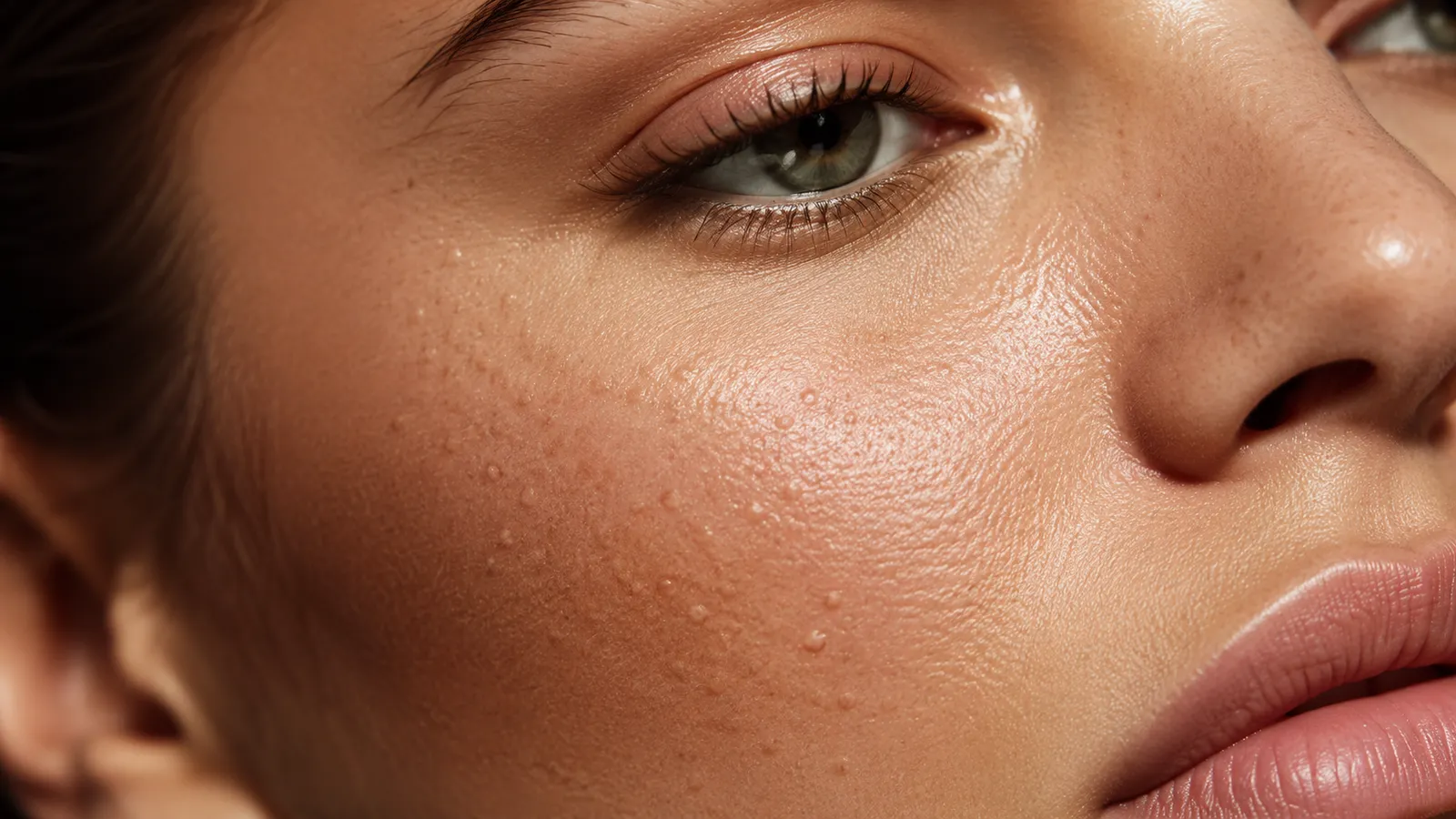
How to deal with skin texture and bumps
Skin texture and bumps—especially tiny closed comedones—are usually a sign of clogged pores and accumulated dead skin cells. The good news: chemical exfoliation, retinoids, and niacinamide address the root cause. Most people see visible improvement in 4–8 weeks when they use the right combination of actives in the right order. (For ingredient deep dives and product reviews, visit our PDRN guide for more skincare science.)
This article contains affiliate links. If you buy through them, PDRN.AI earns a small commission at no extra cost to you. See our affiliate disclosure.
What causes bumpy, textured skin
Skin texture doesn’t come from one thing—it’s usually a combination. Closed comedones (small white or flesh-tone bumps that don’t form heads) are the most common culprit. They form when dead skin cells and sebum trap inside a pore, and the pore opening closes over on top. Fungal acne (also called malassezia folliculitis) causes similar-looking bumps but requires a different approach.
Sebaceous filaments—tiny dark dots on the nose and chin—are also normal and not the same as blackheads, though they do contribute to perceived texture. Enlarged pores, photoaging from sun exposure, and dehydrated skin can all make texture appear rougher. Clogging often worsens if you’re using heavy occlusives or products with volatile silicones over congestion-prone zones. (For more on sun damage and texture concerns, see our guide on treating dark spots.)
The mistake most people make
Most people reach for physical exfoliants (scrubs, washcloths, microfiber cloths) when they feel bumpy skin. This feels like it’s doing something, but it usually irritates without addressing the underlying cause. Aggressive scrubbing can trigger inflammation, damage the skin barrier, and make texture worse over time.
The other classic mistake: waiting too long for results. Closed comedones take 3–4 weeks minimum to surface and shed using chemical exfoliants, and retinoids need 6–8 weeks to meaningfully improve overall texture. Most people quit after two weeks and assume the routine isn’t working.
How to smooth texture correctly
Step 1: Exfoliate chemically, 2–3 nights per week
Start with either a BHA (salicylic acid, 2%) or an AHA (glycolic or lactic acid, 5–10%). BHA is lipid-soluble, so it penetrates oily, congestion-prone skin and is gentler on sensitive areas. AHA is water-soluble and better if you’re dry or if you have fungal acne. For bumpy texture specifically, BHA is the stronger choice because it dissolves sebum inside the pore.
Apply after cleansing on dry skin. Wait 3–5 minutes for the acid to work, then follow with toner, serum, and moisturizer. If your skin is irritated (burning, stinging, excessive dryness), scale back to once or twice per week. You should not feel pain; mild tingle is normal for acids.
Step 2: Add a retinoid at night (opposite nights from acids at first)
Retinoids increase cell turnover and help prevent the dead-skin buildup that causes bumps in the first place. Start with a gentle retinol (0.3–0.5%) or retinal (0.05–0.1%) twice per week. If you’re pairing with acids, apply the retinoid on non-acid nights for the first 2–3 weeks, then gradually move them closer together as your skin adapts. After 4–6 weeks, you can use both in the same routine if tolerated (apply BHA first, then retinoid). For guidance on retinol vs retinal vs tretinoin, see our retinoid comparison guide.
Always pair retinoids with broad-spectrum SPF 30+ every morning. Vitamin A increases sun sensitivity, and sun exposure can cause post-inflammatory hyperpigmentation, especially if you have deeper skin tones.
Step 3: Use niacinamide serum daily
Niacinamide (vitamin B3) at 4–10% reduces sebum production over 8–12 weeks, minimizes pore appearance, and strengthens the skin barrier so it tolerates actives better. It’s gentler than acids and retinoids but is a workhorse for congestion. Apply it to clean, dry skin in the morning and evening, before other serums. It layers well with everything.
Step 4: Don’t skip moisturizer
Dehydration makes bumpy texture look worse because sunken skin emphasizes any unevenness. Use a lightweight, non-comedogenic moisturizer (gel-creams, hydrating serums, or water-based lotions). Avoid thick occlusive creams if you’re prone to congestion, but don’t skip hydration entirely.
Step 5: Patch-test everything first
Before committing to a full routine, test actives on a small area (jaw, behind the ear) for 3–5 days. Everyone’s skin is different—sensitivity to acids, retinoids, and niacinamide varies widely. A patch test prevents a full-face reaction.
Product picks for texture and bumps
EDITORIAL PICKS
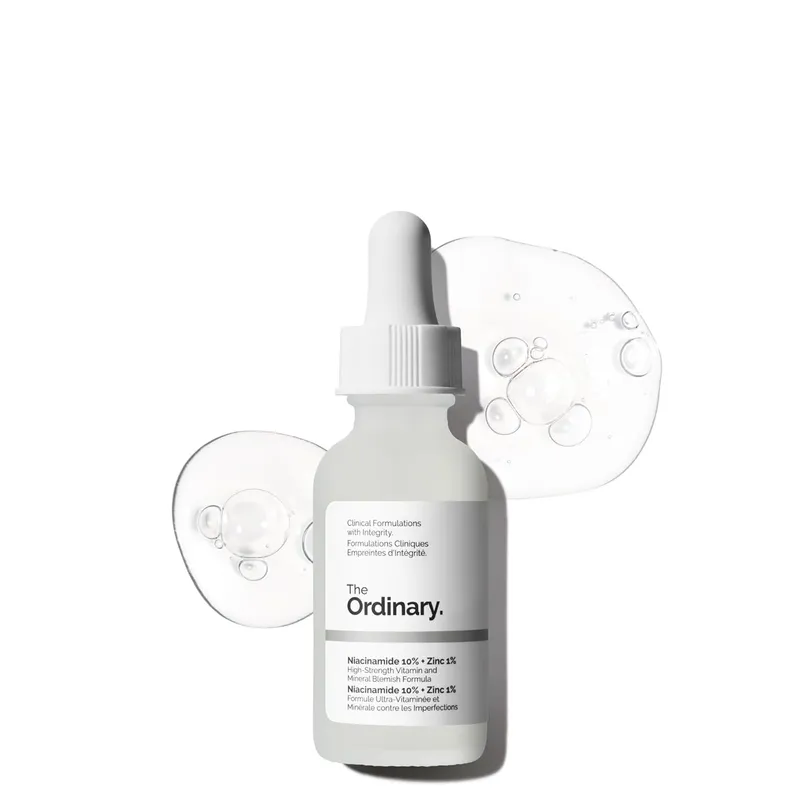
BEST OVERALL
The Ordinary Niacinamide 10% + Zinc 1%, Smoothing Serum for Blemish-Prone Skin
4.5 ★ · 53,183 reviews
Niacinamide at 10% + zinc reduces sebum visibly within 3 days and minimizes pore appearance in 4 weeks. Lightweight serum, plays well with every active, essential for congestion-prone skin.
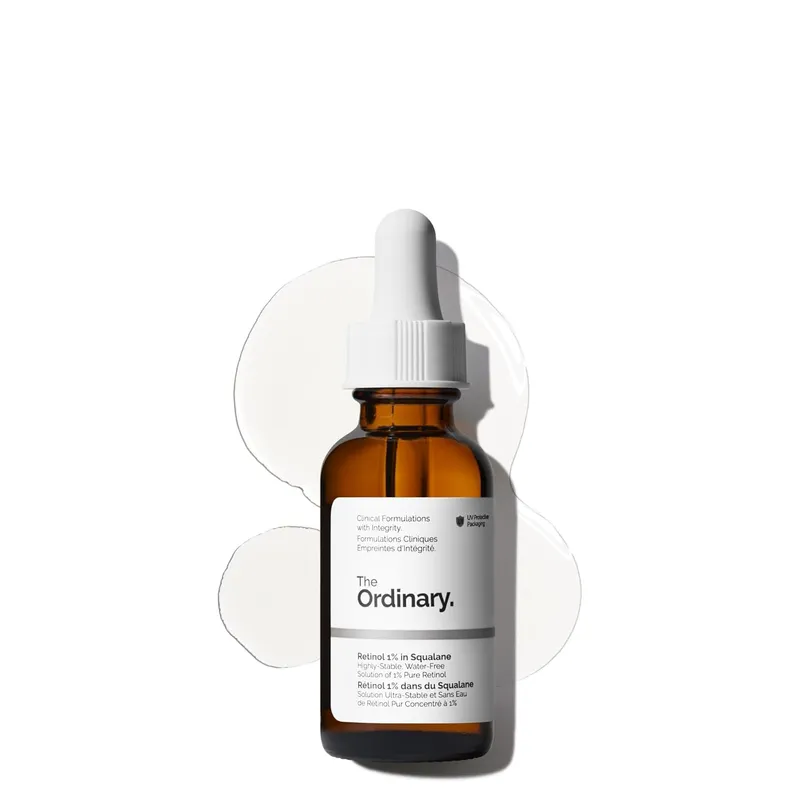
BEST FOR SMOOTHING
The Ordinary Retinol 1% in Squalane
4.3 ★ · 17,656 reviews
High-strength retinol that targets uneven texture and cell turnover. Squalane base is nourishing, making it gentler than pure retinol. Start twice per week, build to nightly over 8 weeks.
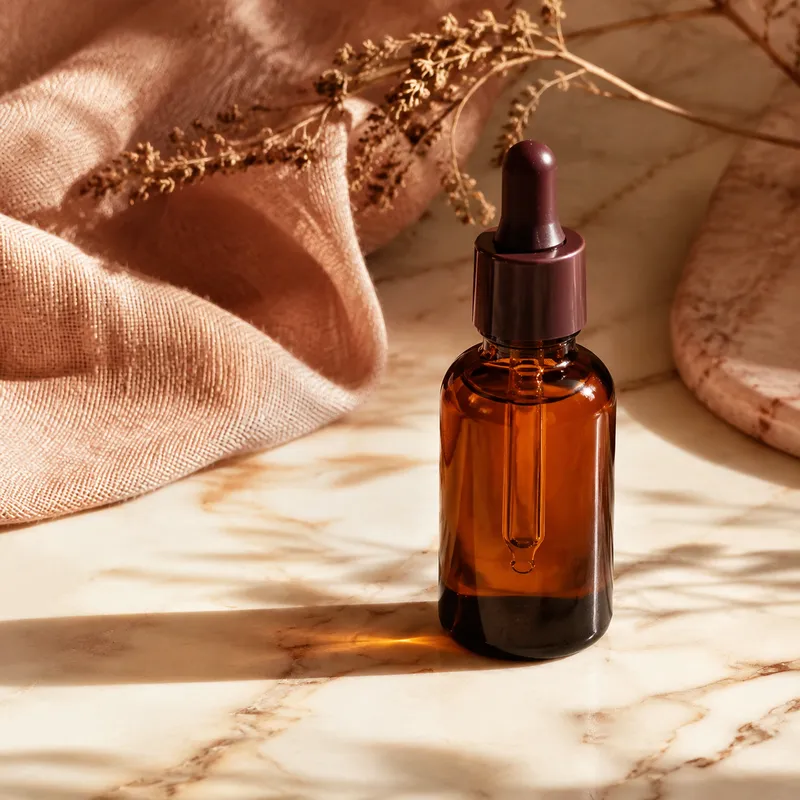
BEST FOR ADVANCED
The Ordinary Retinal 0.2% Emulsion
4.3 ★ · 17,656 reviews
Retinal (activated vitamin A) is stronger than retinol and converts directly to retinoic acid in skin. Faster results but requires more tolerance-building. Only for readers who have used retinoids successfully for 6+ months.

BEST AFFORDABLE
Good Molecules Niacinamide Brightening Toner
4.6 ★ · 10,155 reviews
Liquid toner with niacinamide + arbutin (skin brightener). Cheaper than serum formats, same efficacy for sebum control and pore refinement. Swipe on with cotton pad or spray directly onto skin.
BEST FOR POST-ACNE
CeraVe Resurfacing Retinol Serum For Post Acne Marks
4.5 ★ · 5,467 reviews
Retinol + licorice root (soothing). Formulated specifically for textured skin left behind by acne. CeraVe's ceramide inclusion makes it gentler if you're sensitive or dealing with barrier damage.
What won’t work for bumpy skin
- Physical scrubs (walnut shells, plastic microbeads, rough cloths)—cause micro-tears and inflammation. Avoid entirely.
- Vitamin E oil or heavy moisturizers alone—may temporarily plump skin, but trap sebum and worsen congestion. Use only at night on cheeks and neck.
- Acne patches (hydrocolloid treatments)—designed for whiteheads and pustules, not closed comedones or texture. They won’t help bumps.
- Over-exfoliating (daily acids or daily retinoids)—doesn’t speed results. Instead causes irritation, barrier damage, and possible flare-ups. Consistency beats aggression.
Patience and consistency (2–3x per week for acids, slowly building retinoid frequency) outperform aggressive routines.
Texture takes 4–8 weeks to improve meaningfully. If a routine hasn’t worked in two weeks, give it at least four more weeks before assuming failure.
Common questions
Is skin texture the same as acne scars?
Skin texture from bumps and closed comedones is temporary and can improve significantly with exfoliation and retinoids. True acne scars (atrophic pitting, ice-pick scars, or rolling scars) are permanent indents in the skin and require professional treatments like microneedling, subcision, or laser resurfacing. If you have pitting or rolling scars, consult a dermatologist—topical actives alone won’t fill them.
How long does it take to see results?
Chemical exfoliants start showing effect within 2–3 weeks (fewer active bumps, better texture to the touch). Retinoids take 6–8 weeks for visible smoothing because skin cell turnover takes time. Niacinamide’s effect on sebum and pore appearance is noticeable around week 4–6. Be consistent and patient—most people declare victory around week 8.
Can I use acids and retinoids at the same time?
Yes, but not on the same night at first. Start with acids 2–3 nights per week and retinoids 2 nights per week on opposite nights. After 3–4 weeks, when your skin has adjusted, you can layer them in the same routine (apply BHA first, wait 10 minutes, then retinoid). Some skin types can handle both nightly; others need to alternate.
What if my skin is sensitive? Can I still use these actives?
Start lower, go slower. Use a gentle AHA (lactic acid 5%) instead of strong salicylic acid. Choose a low-strength retinol (0.3%) and use it just once per week initially. Skip niacinamide serums if they cause irritation, and don’t add acids and retinoids in the same month—space them out. Sensitive skin can improve texture, but it requires a gentler timeline (8–12 weeks instead of 4–8).
What if I have fungal acne? Should I use different products?
Fungal acne (malassezia folliculitis) causes tiny, uniform bumps, often itchy, that don’t improve with typical acne treatments. If you suspect fungal acne, switch your BHA for an AHA (glycolic or lactic acid 5–7%), as AHAs are more effective against fungal overgrowth than BHA. Also check your products for triglycerides, plant oils, and fatty alcohols—these feed malassezia. Consult a dermatologist if you don’t see improvement in 3–4 weeks; you may need an antifungal serum or oral medication.