
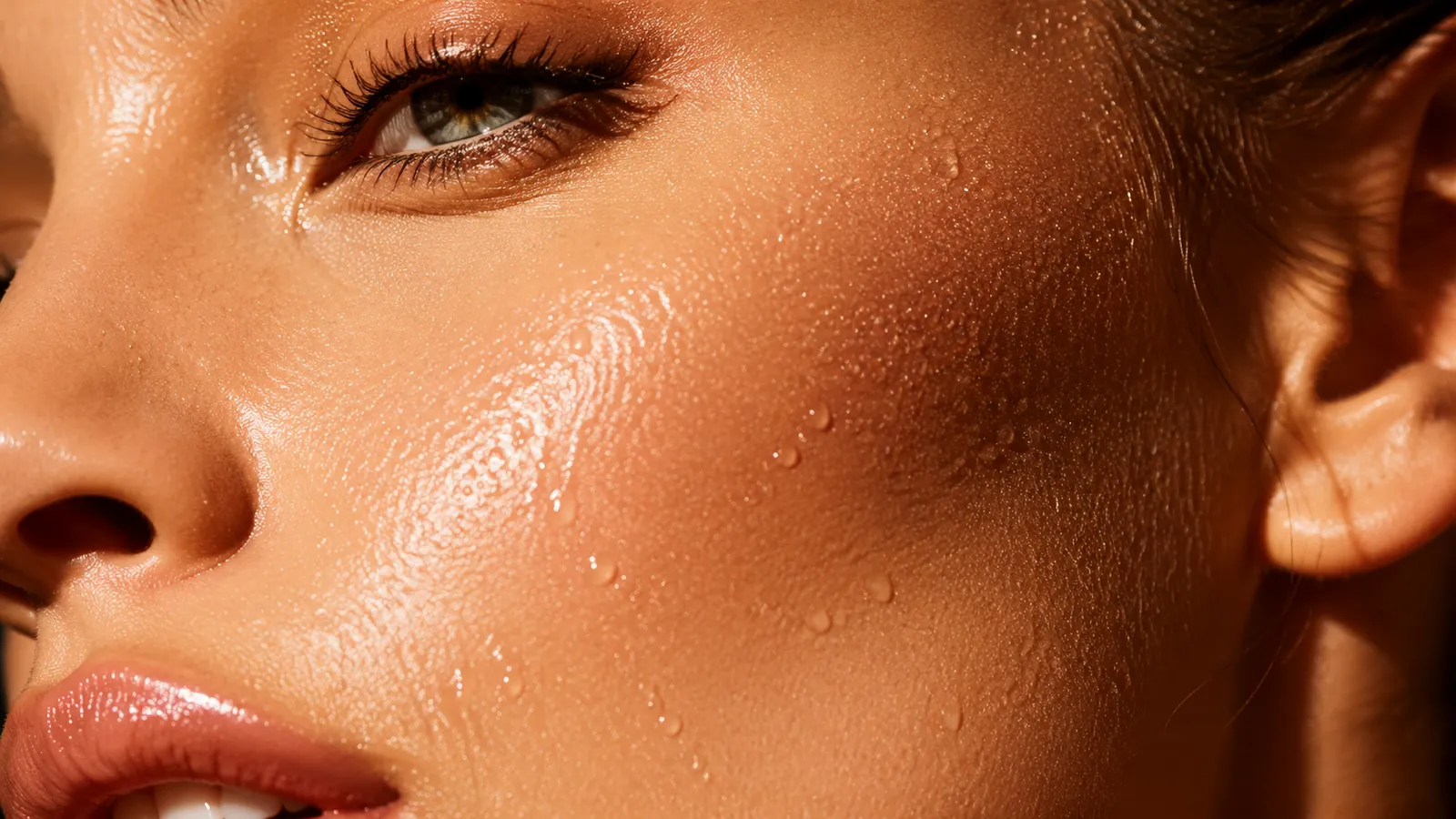
What Is Beta Glucan? The Next-Gen Humectant Explained
Beta glucan is a natural polysaccharide that functions as a humectant—a hydrating ingredient that draws moisture deep into skin and holds it there. Unlike hyaluronic acid, which can irritate sensitive skin or dehydrate the dermis if not applied correctly, beta glucan hydrates at multiple levels while also strengthening your skin barrier and calming inflammation. Clinical research shows beta glucan increases skin hydration by up to 30% over 4 weeks and reduces redness by 25–40% in people with sensitive skin.
This article contains affiliate links. If you buy through them, PDRN.AI earns a small commission at no extra cost to you. See our affiliate disclosure.
How Beta Glucan Works
Beta glucan is derived from yeast, fungi, seaweed, or oats and functions on three levels in skin:
- Humectant action: It draws water molecules from the atmosphere and dermis into the outer layer, plumping cells and smoothing fine lines.
- Barrier support: It activates skin’s natural ceramide and collagen production, strengthening the lipid barrier and reducing transepidermal water loss.
- Immunomodulation: It stimulates immune responses that calm redness, reduce inflammation, and accelerate healing.
Studies have demonstrated that beta glucan penetrates deeper than hyaluronic acid because of its larger molecular structure and its ability to trigger the skin’s own repair machinery. Dermatologists agree that it’s one of the safest, most researched humectants available—suitable even for compromised or reactive skin barriers.
What Beta Glucan Is Good For
Beta glucan is most effective for:
- Sensitive, reactive skin: It calms redness and irritation without stinging or causing tightness.
- Dehydrated skin: It plumps and smooths because it holds water longer than HA.
- Barrier damage: It strengthens lipid barriers and reduces flaking.
- Combination skin: It hydrates without feeling greasy or heavy.
- Post-treatment recovery: After peels, retinoids, or dermatology visits, it soothes and accelerates healing.
Beta glucan does NOT treat acne, eliminate scars, or “cure” any skin condition. It is a hydrating and soothing ingredient that supports your skin’s natural functions—nothing more. If you have active acne or severe dermatological issues, consult a dermatologist.
EDITORIAL PICKS
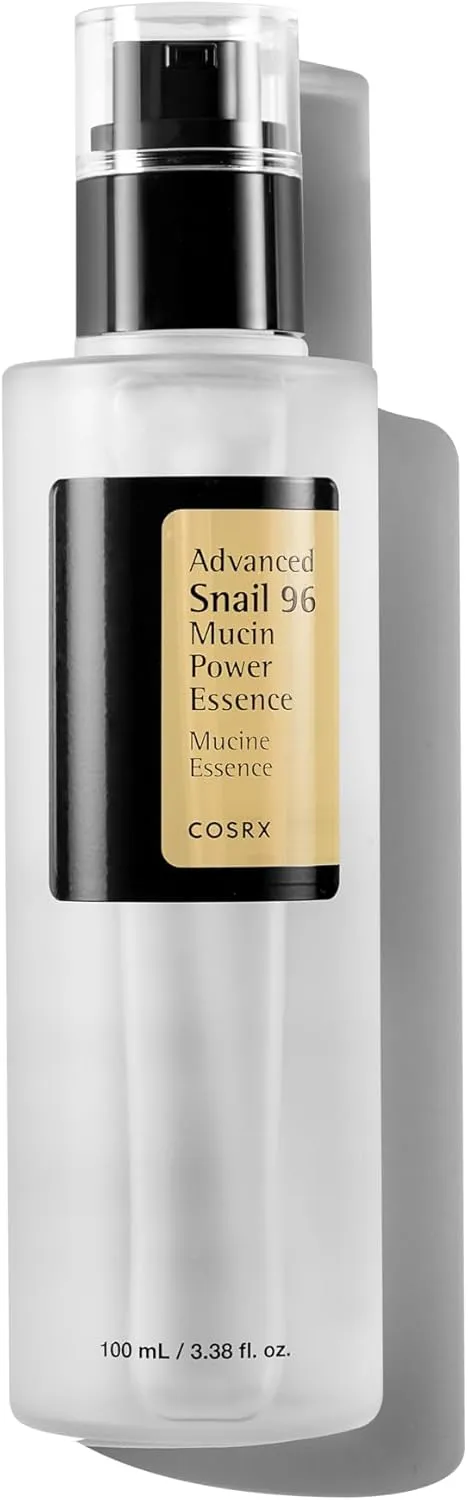
BEST OVERALL
COSRX Advanced Snail 96 Mucin Power Essence
4.5 ★ · 99,599 reviews
Cosrx uses snail mucin as the active, which earns its reputation for barrier support over weeks rather than days. Apply ...
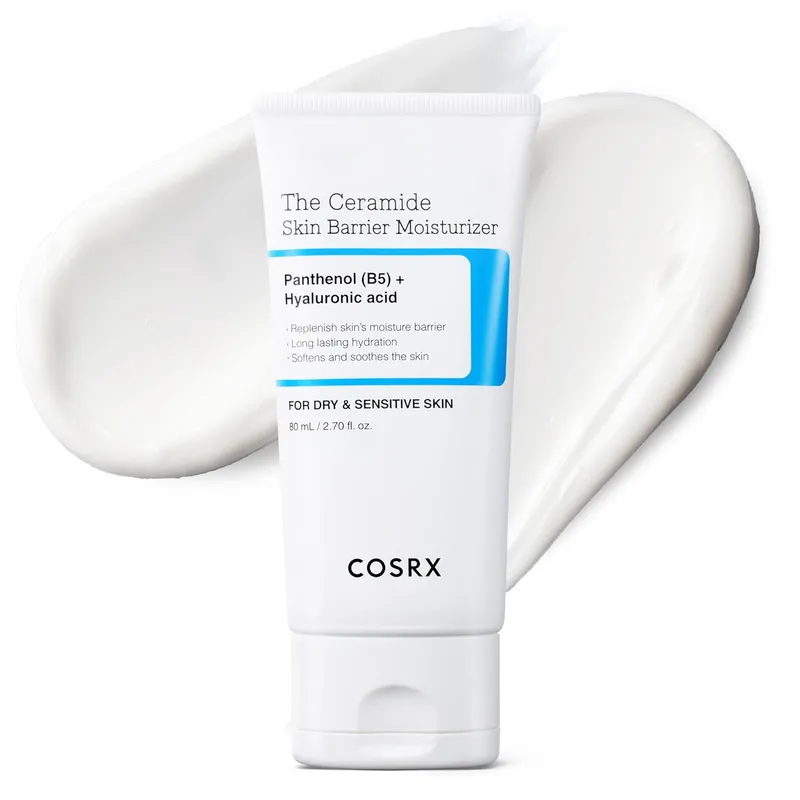
BEST FOR SENSITIVE
COSRX Ceramide Skin Barrier Moisturizer for Face with 7 Ceramides
4.7 ★ · 144,291 reviews
COSRX is a hyaluronic-acid layer for routines that need humectant support without occlusion. Apply to damp skin and seal...
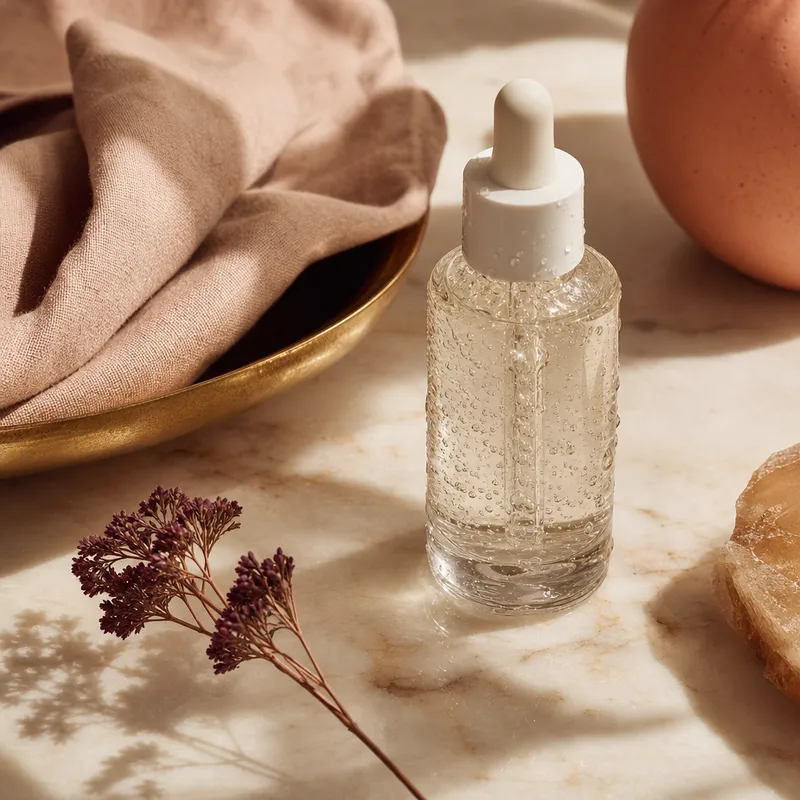
BEST BUDGET
Lancme Gnifique Ultimate Recovery Serum
4.7 ★ · 34,520 reviews
Lancme uses HA as the active — surface hydration that plays well with the rest of a routine. Apply to damp skin and seal...
BEST VALUE
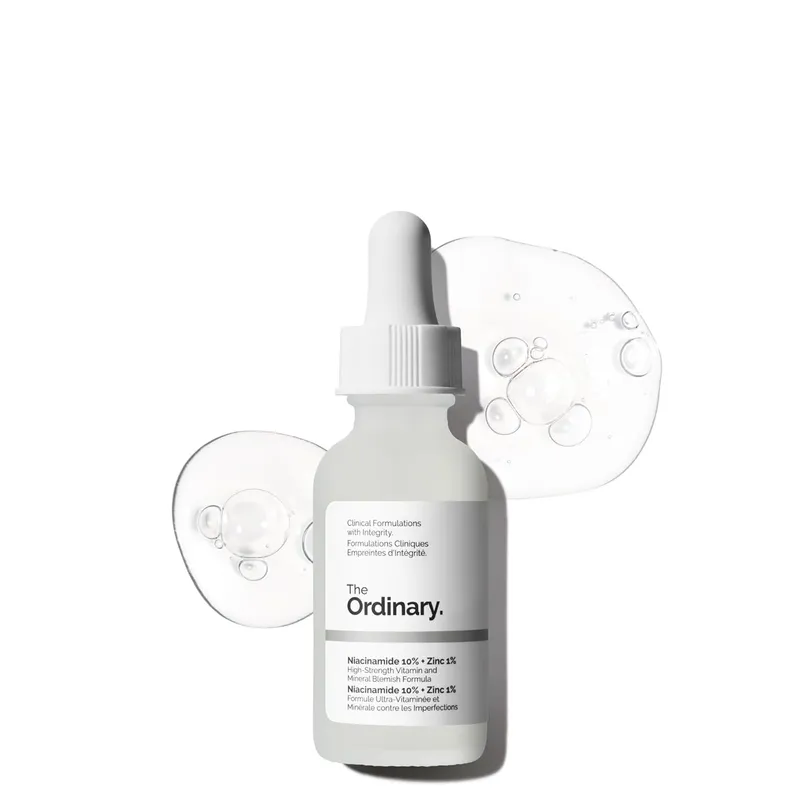
The Ordinary Niacinamide 10% + Zinc 1%, Smoothing Serum for Blemish-Prone Skin
4.5 ★ · 53,183 reviews
The Ordinary is the kind of unflashy, do-its-job niacinamide we recommend often — multi-concern, well-tolerated, reasona...
Beta Glucan vs. Hyaluronic Acid
This is the comparison everyone asks about, and the answer is: they’re both hydrating, but they work differently.
Hyaluronic acid (HA) is a smaller-molecular-weight humectant that sits on the surface and draws water from the air and dermis. It hydrates quickly but can backfire if:
- You live in a dry climate (it pulls water from deeper skin layers, leaving the dermis drier than before)
- You have sensitive skin (it can trigger irritation or stinging)
- You don’t apply it to damp skin within 30 seconds of cleansing (it dries out instead of hydrating)
Beta glucan is a larger-molecular-weight polysaccharide that penetrates deeper and activates your skin’s own hydration and barrier-repair machinery. It works in any climate, doesn’t irritate sensitive skin, and provides longer-lasting hydration. Dermatologists and K-beauty experts consistently note that beta glucan is superior for people who react poorly to HA.
Beta glucan is the humectant to choose if hyaluronic acid has ever irritated your skin or made you drier.
The Reddit consensus from r/AsianBeauty and r/KoreanBeauty is clear: beta glucan users report deeper, longer-lasting hydration without the dryness or irritation HA can cause. Many people in the skincare community actively replace their HA serums with beta glucan serums—especially the iUNIK brand, which is widely praised for both efficacy and texture.
How to Use Beta Glucan
Beta glucan works best when applied to damp skin immediately after cleansing.
- Cleanse your face thoroughly.
- While skin is still damp (but not dripping), apply 2–3 drops of beta glucan serum using gentle pressing motions.
- Wait 30 seconds, then follow with your regular moisturizer or essence.
- In the morning, layer it under sunscreen.
Pro tip: Beta glucan plays beautifully with other hydrating ingredients—snail mucin, niacinamide, and peptides all enhance its effects. It does NOT interfere with retinoids, vitamin C, or other active ingredients, so you can use it in both morning and evening routines.
You do NOT need to use beta glucan every day. Many people find that 3–5 times weekly is enough to maintain hydration and barrier strength. If you have very sensitive skin or are recovering from a treatment, daily use is fine—beta glucan cannot irritate or over-hydrate skin.
Common Questions
Is beta glucan better than hyaluronic acid?
Beta glucan is often superior for sensitive skin and dry climates. It hydrates deeper, lasts longer, and doesn’t trigger the irritation or dryness that HA can cause in some people. However, if HA works well for your skin, there’s no need to switch. Both are evidence-backed hydrators.
Can I layer beta glucan with other ingredients?
Yes. Beta glucan layers beautifully with niacinamide, snail mucin, peptides, retinoids, and vitamin C. Apply it to damp skin first, then layer other actives or moisturizers. It does not reduce the efficacy of any other ingredient.
How soon will I see results?
Hydration improvements appear within 2–3 days of consistent use. Barrier strengthening and redness reduction take 2–3 weeks. If you have severely compromised skin, give it 4 weeks before deciding whether beta glucan is right for you.
Is beta glucan safe for acne-prone skin?
Yes. Beta glucan is non-comedogenic and does not clog pores. It’s especially helpful for acne-prone skin because it strengthens the barrier, reduces inflammation, and speeds post-acne healing. However, beta glucan does not treat or cure acne itself—it’s a supporting ingredient.
Can I use beta glucan if I’m pregnant?
Beta glucan is topical, naturally derived, and one of the safest skincare ingredients available. Clinical research shows no systemic absorption or harm to pregnancy. However, always check with your OB if you have concerns about any new skincare ingredient.