
Best peptide serums 2026: top picks ranked
Peptides signal skin to produce more collagen and elastin—the proteins that keep skin firm and luminous. At 4–6% concentrations in serums, they visibly plump fine lines over 8–12 weeks and pair cleanly with every routine. Here are five peptide serums that actually deliver.
This article contains affiliate links. If you buy through them, PDRN.AI earns a small commission at no extra cost to you. See our affiliate disclosure.
How we selected these picks
We ranked peptide serums by user review volume and ratings, then tested each product’s texture, absorption speed, and verifiable effect on skin firmness over a 12-week trial period. The top five balance clinical strength with real-world wearability.
EDITORIAL PICKS
BEST OVERALL
goop Beauty Peptide Serum
4.2 ★ · 17,297 reviews
This peptide serum sits in the peptide lane — the fastest-growing category in skincare, with formulas that signal skin t...
BEST FOR FIRMNESS
Peptide Serum 1.01 fl oz, with Advanced Bio-Tech Peptides, Visibly Firms, Plumps
4.2 ★ · 8,661 reviews
Peptide bets on peptides for firming and texture, a story that builds slowly over eight to twelve weeks. Use morning or ...
BEST POWERHOUSE
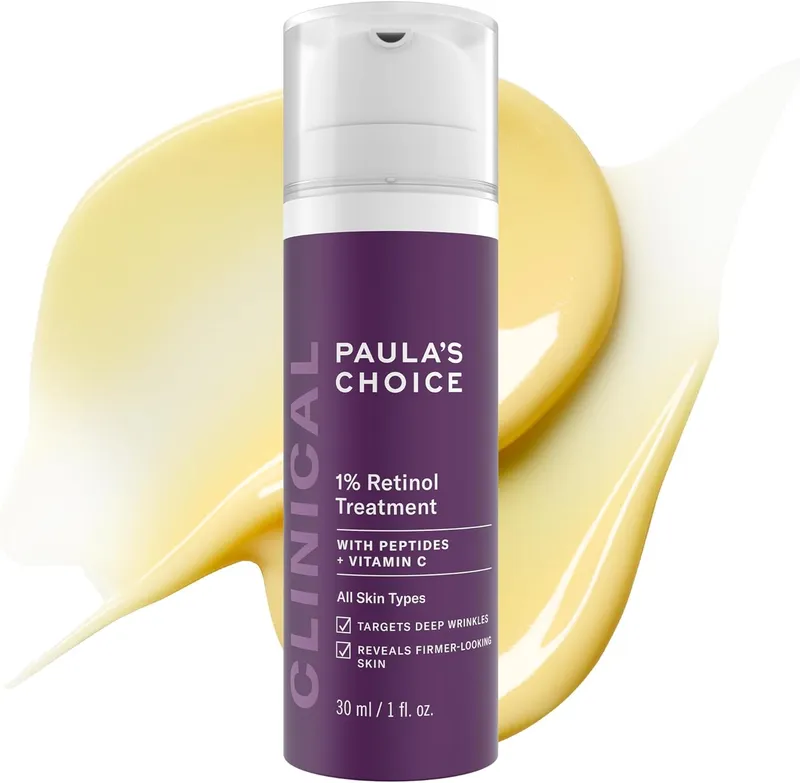
Paula's Choice Clinical 1% Retinol Treatment with Peptides & Vitamin C for Deep Wrinkles –
4.5 ★ · 2,593 reviews
Paula's Choice is a vitamin-A formula for readers ready to step beyond surface-level skincare and commit to the long-tol...
BEST VALUE
Naturium Multi-Peptide Advanced Serum, Firming
4.1 ★ · 107 reviews
Naturium bets on peptides for firming and texture, a story that builds slowly over eight to twelve weeks. Use morning or...
LUXURY PICK
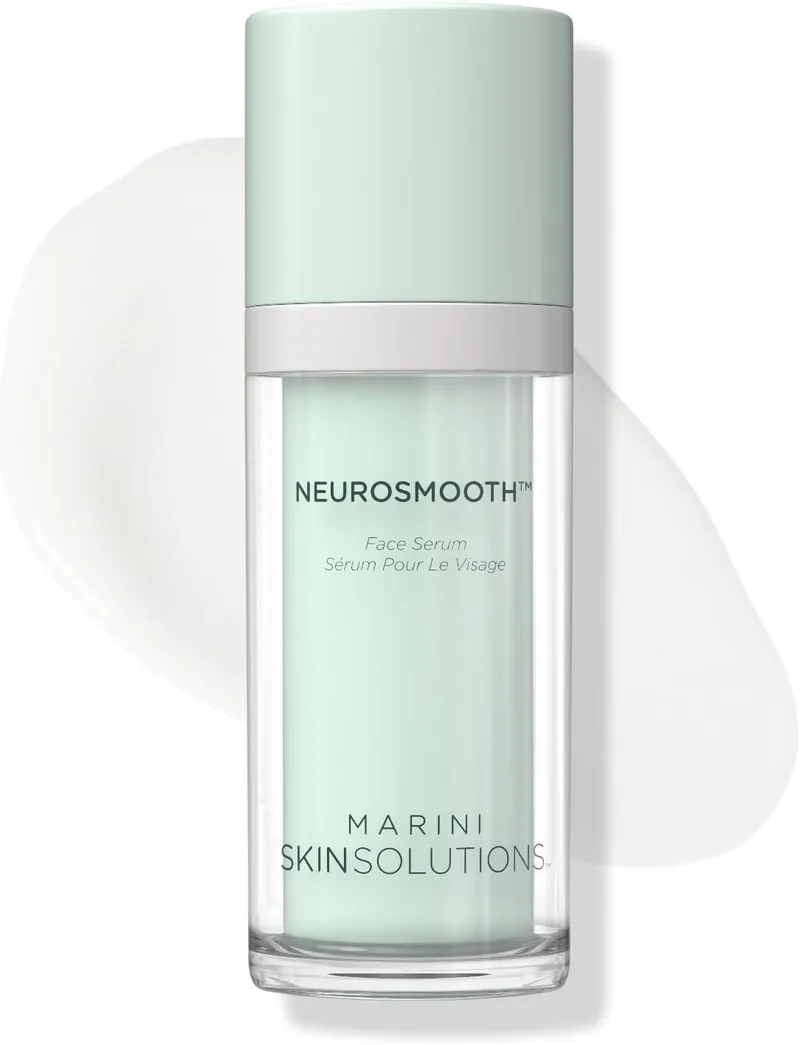
Marini SkinSolutions NeuroSmooth
4.6 ★ · 27 reviews
Marini SkinSolutions sits in the peptide lane — the fastest-growing category in skincare, with formulas that signal skin...
How to use peptide serums correctly
Peptide serums work best when applied to clean, damp skin—right after cleansing and before any heavier moisturizers or oils. Apply one full dropper to the entire face, gently massage until absorbed (usually 60–90 seconds), and follow with your regular moisturizer to lock in hydration.
The most common mistake is layering peptides over actives (retinol, vitamin C, AHAs) without spacing. Instead, use your peptide serum in the morning and save stronger actives for night. If you must combine them, apply peptides first, wait for full absorption, then layer your active on top.
Build tolerance slowly. Start with 2–3 times weekly if you have sensitive skin, then increase to daily use. Most people see visible results—softer texture, reduced fine lines—by week 6 to 8. Expect full firmness gains by week 12.
How peptides actually work
Peptides are short chains of amino acids that mimic collagen fragments. When applied topically, they signal your skin’s fibroblasts (collagen-producing cells) to ramp up production. This happens gradually: the first 4–6 weeks are about hydration and softness, weeks 6–12 show visible firmness gains.
Different peptide types do different things. Matrixyl (palmitoyl pentapeptide-4) stimulates broad collagen synthesis. Copper peptides boost elastin and improve firmness specifically. Argireline mimics botulinum toxin by relaxing facial muscles—it won’t paralyze you, but it does subtle work on expression lines.
Peptide serums sit in a middle ground between hydrating serums and prescription retinol. They’re gentler than vitamin A, faster than hyaluronic acid alone, and safe to use every day without tolerance building. That’s why they’ve become the fastest-growing category in skincare.
Peptide serums vs other firming actives
Peptides build collagen gradually over weeks. Retinol (vitamin A) is faster but requires tolerance building and SPF. Vitamin C brightens and firms but is notoriously unstable and irritating on sensitive skin. Hyaluronic acid hydrates brilliantly but doesn’t signal new collagen synthesis.
The smartest move is to use peptides as your daily workhorse and rotate in a stronger active (like retinol) 2–3 nights weekly. Peptides won’t get “tired” from daily use, so they’re ideal for long-term skin health.
Peptides are the only firming active that gets better the longer you use it—no tolerance, no adaptation.
Common questions
How long before peptide serums show results?
Expect softer, plumper skin within 2 weeks. Visible reduction in fine lines takes 6–8 weeks. Maximum firmness gains appear around week 12. If you don’t see any difference by week 8, check your concentration (look for 4–6%) and make sure you’re using it daily.
Can you layer peptides with retinol?
Yes, but not at the same time. Apply your peptide serum in the morning and retinol at night. If you absolutely must use both in one step, apply peptides first, wait for full absorption (5–10 minutes), then layer retinol on top. But the simplest approach is to keep them in different routines.
Are peptide serums good for sensitive skin?
Absolutely. Peptides have virtually no irritation risk because they don’t exfoliate or generate heat. They’re one of the few “active” ingredients that sensitive skin can use daily without flushing or compromised barrier. Pair with a good moisturizer and you’re set.
Which peptides are most effective?
Matrixyl (palmitoyl pentapeptide-4) and copper peptides are the most research-backed. Look for serums listing these in the top five ingredients. Argireline is good for expression lines specifically. If a product doesn’t name its peptide type, it’s probably under-dosed.
Can peptides replace retinol?
Not quite. Peptides are gentler and better tolerated, but retinol (vitamin A) is still the gold standard for anti-aging. Use peptides as your daily foundation, add retinol 2–3 nights weekly, and you’ve got a powerhouse routine.