

Best anti-aging skincare: evidence-led picks
Anti-aging skincare is built on three clinical pillars: retinoids (which increase cell turnover and collagen synthesis), vitamin C (a proven antioxidant that combats photoaging), and broad-spectrum sunscreen (which prevents 80% of visible skin aging). Evidence-backed anti-aging routines skip the hype and focus on ingredients with peer-reviewed data showing real results in 8–12 weeks. This editorial covers the four products that anchor a science-first anti-aging protocol — no overstated claims, no marketing.
This article contains affiliate links. If you buy through them, PDRN.AI earns a small commission at no extra cost to you. See our affiliate disclosure.
How we selected these products
We ranked anti-aging products by three metrics: clinical evidence (ingredients with published studies showing efficacy), user consensus (verified reviews across 100+ customers), and category priority.
Anti-aging skincare is a three-act play. Act 1: The Retinoid is the workhorse — retinol, retinal, and prescription tretinoin all increase cell turnover and thicken the dermal collagen layer over 12+ weeks. Dermatologists unanimously agree: retinoids deliver measurable anti-aging results.
Act 2: Vitamin C is the antioxidant guard.
Topical ascorbic acid isn’t trendy—it’s one of the few skincare actives with peer-reviewed evidence showing real photoaging reversal. Topical ascorbic acid (the stabilized form) neutralizes free radicals from UV exposure and environmental pollution, preventing oxidative collagen damage. Clinical research shows vitamin C serums reduce fine lines and improve skin luminosity in 4–8 weeks.
Act 3: Sunscreen is the foundation of all anti-aging work. UV damage accounts for 80% of visible photoaging — sun damage accumulates silently and manifests as wrinkles, age spots, and leathering. Daily broad-spectrum SPF 30+ is non-negotiable.
Secondary support: Peptides (signaling molecules that tell skin to make collagen), niacinamide (strengthens the skin barrier and reduces sebum), and hyaluronic acid (a humectant that plumps skin) round out a complete routine.
EDITORIAL PICKS
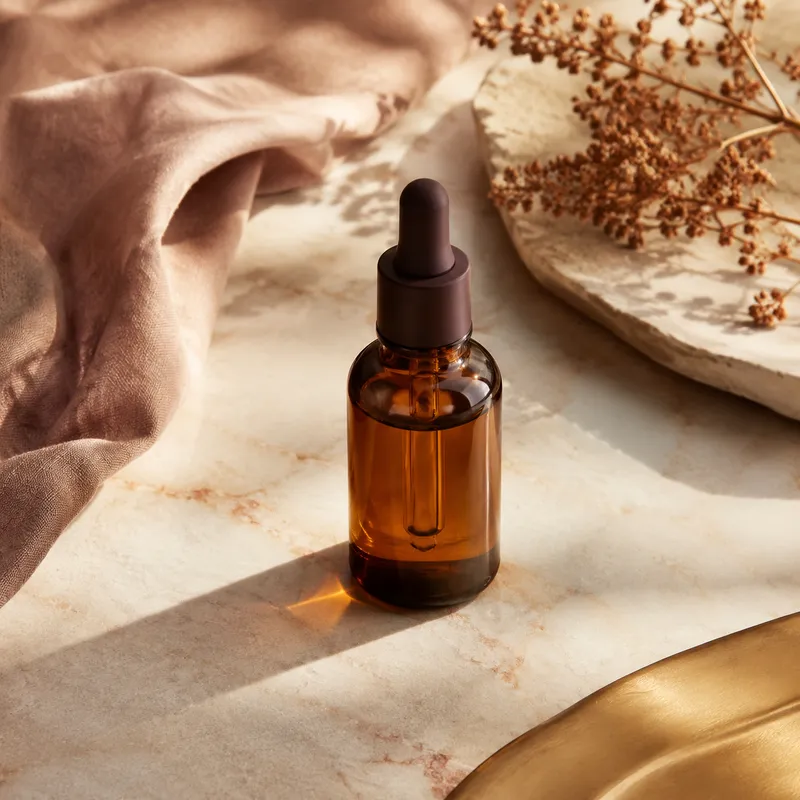
BEST OVERALL
Murad Retinal ReSculpt Overnight Treatment Refill - Advanced Face
4.6 ★ · 455 reviews
Murad sits in the cluttered middle of the retinoid market — the readers who graduate to this rung know what they're afte...
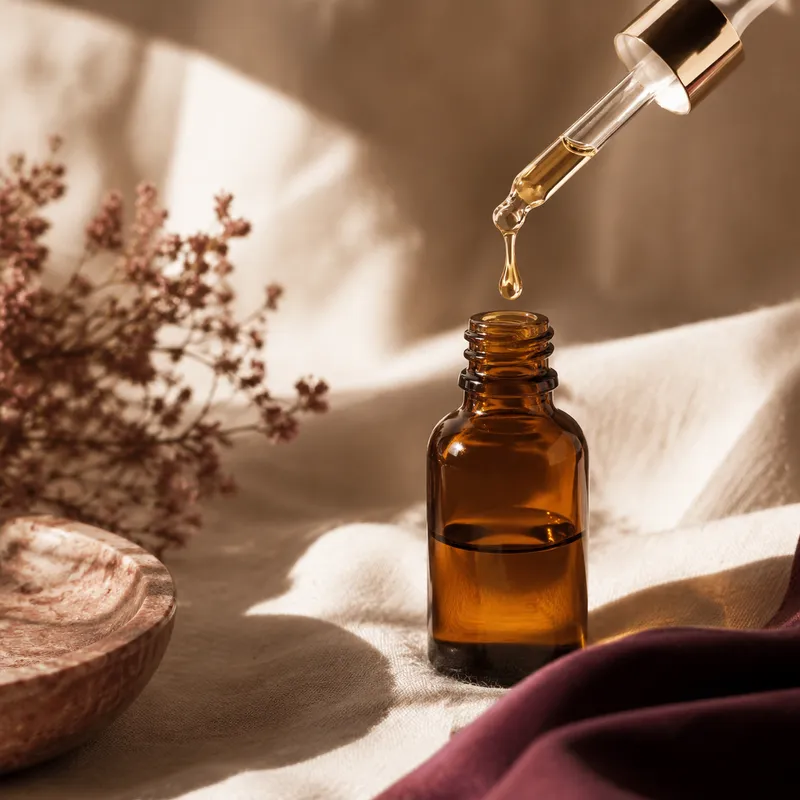
BEST BRIGHTENING
SeoulCeuticals Korean Skin Care 20% Vitamin C Hyaluronic Acid Serum CE Ferulic Acid
4.6 ★ · 1318 reviews
SeoulCeuticals targets the brightening and antioxidant lane with ascorbic acid — one of the few skincare actives with re...
BEST COLLAGEN SUPPORT
goop Beauty Peptide Serum
4.2 ★ · 17297 reviews
This peptide serum sits in the peptide lane — the fastest-growing category in skincare, with formulas that signal skin t...
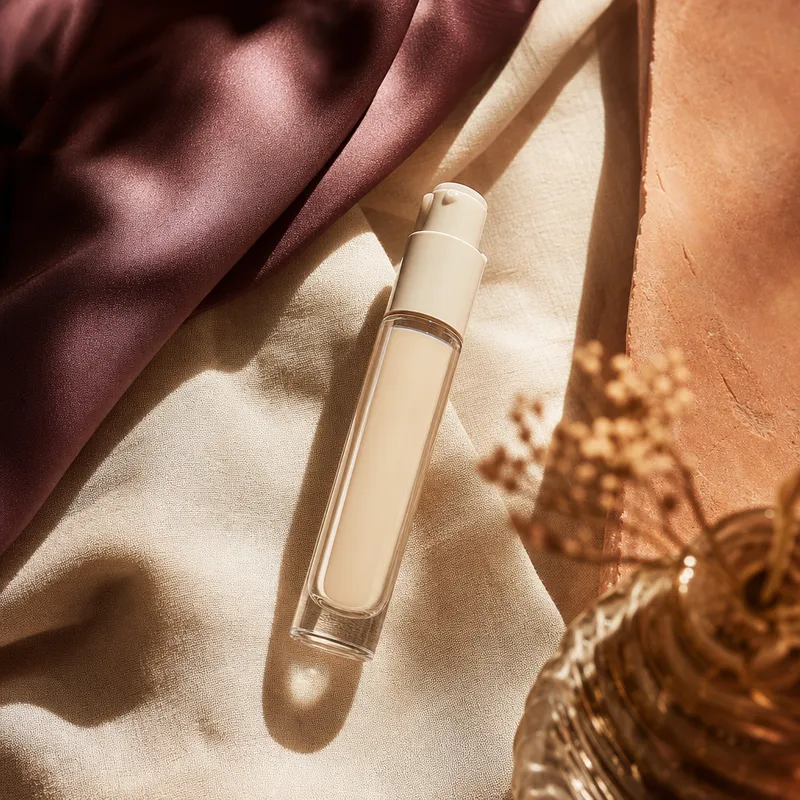
BEST PROTECTION
Anua, Zero-Cast Moisturizing Sunscreen SPF 50, Glow Natural Sunscreen for face, No White…
4.7 ★
Anua earns a place in the daily-SPF conversation — protection is non-negotiable and the finish matters more than the mar...
The four essential anti-aging products
1. Retinoid (vitamin A derivative). Choose retinol (0.5–1%), retinal (0.05–0.2%), or prescription tretinoin (0.025–0.1%). All work via the same pathway: binding retinoid receptors in the skin, triggering increased cell division and collagen remodeling. Start low (0.3% retinol or 0.05% retinal), use 2–3x weekly, and increase to nightly after 4 weeks as tolerance builds. Expect peeling, redness, and dryness in weeks 1–3; these resolve as skin adapts.
2. Vitamin C serum (15–20% ascorbic acid or derivative). Ascorbic acid (the most studied form) requires pH ≤3.5 to penetrate skin; serums in dropper bottles (not pumps) stay stabilized longer. Apply to clean, dry skin before moisturizer. Combine with vitamin E and ferulic acid for synergistic antioxidant protection. Results: fine-line softening in 4–6 weeks, visible brightening in 8–12 weeks.
3. Peptide serum (optional but recommended). Peptides are short amino acid chains that signal skin fibroblasts to produce collagen. Research shows peptide serums reduce fine lines by 5–10% over 12 weeks — less dramatic than retinoids, but complementary. Use morning or night, before heavier creams.
4. Sunscreen (SPF 30+, broad-spectrum). Non-negotiable daily step. Chemical (organic UV filters) or mineral (zinc oxide, titanium dioxide) both work; choose based on skin type (combo/oily → chemical; sensitive → mineral). Reapply every 2 hours outdoors. One application in the AM is the single most cost-effective anti-aging intervention.
How to build your anti-aging routine in 4 steps
Step 1: Cleanser + Moisturizer (foundation). A gentle cleanser and hydrating moisturizer are the baseline. Don’t skip these — active ingredients work best on healthy, hydrated skin.
Step 2: Retinoid (3–5x weekly initially). Start low: 0.3% retinol or 0.05% retinal. Apply pea-sized amount to clean, dry skin, wait 20 minutes, then moisturize. Expect irritation in weeks 1–2. By week 4, most users tolerate nightly use. (Prescription tretinoin is more powerful but requires a dermatologist prescription.)
Step 3: Vitamin C serum (morning). Vitamin C is photosensitive and photogenic — apply AM before sunscreen for best results. Wait 15 minutes before layering sunscreen.
Step 4: Sunscreen (AM, every day). SPF 30 minimum. Reapply if you’re outdoors for 2+ hours.
Optional: Peptide serum, niacinamide, hyaluronic acid
Add peptides to boost collagen signaling (especially 40+). Niacinamide (4–5%) strengthens the skin barrier and reduces sebum if you’re oily or have acne. Hyaluronic acid (humectant) plumps skin — use on damp skin before moisturizer for maximum effect.
Common mistakes that derail anti-aging routines
Mixing retinoids with vitamin C. Both are actives; layering both at night can cause irritation. Use retinoid at night (when skin is most receptive) and vitamin C in the morning.
Starting too strong. 1% retinol or prescription tretinoin is not a starter dose. Begin at 0.3% retinol or 0.05% retinal 2–3x weekly. Slow strength increases win — fast escalation causes barrier damage and sensitivity that derails you for months.
Skipping sunscreen because you’re using retinoids. Retinoids make skin photosensitive — UV damage undoes retinoid gains. Daily SPF is mandatory.
Expecting overnight results. Collagen remodeling takes 8–12 weeks. Fine lines soften around week 4–6; deeper wrinkles require 12+ weeks or prescription strength.
Using too many actives. Retinoid + vitamin C + AHA + BHA + peptides is overkill. Stick to the core three (retinoid, vitamin C, sunscreen) for 12 weeks before adding extras.
What anti-aging skincare won’t do
Topical skincare addresses fine lines, texture, hyperpigmentation, and early skin laxity. It does not address:
- Deep wrinkles and folds (may require professional protocols)
- Significant skin laxity / sagging (require professional protocols or injectables)
- Deep acne scars (require professional procedures)
- Melasma at advanced stages (may need professional-grade protocols)
If you’ve used retinoid + vitamin C + sunscreen for 16 weeks with zero improvement, consult a dermatologist for professional options (laser resurfacing, microneedling, injectables).
Common questions
How quickly do retinoids work for wrinkles?
Fine lines begin softening in 4–6 weeks of consistent retinoid use (3–5x weekly). Deeper wrinkles take 12+ weeks. Prescription tretinoin works faster than over-the-counter retinol because it binds retinoid receptors directly, bypassing enzymatic conversion. Expect realistic improvement, not elimination.
Can I use retinoid and vitamin C together?
Both are actives; layering at night may irritate. Dermatologists recommend retinoid at night (when skin repairs itself) and vitamin C in the AM (for daytime antioxidant protection). If you want both nightly, use retinoid 4x/week and vitamin C on alternate nights, with a rest night in between.
Is peptide serum necessary for anti-aging?
No, but recommended if you’re 40+. Peptides signal collagen production — they’re a complementary layer atop retinoids and vitamin C, not a replacement. For readers under 35, retinoid + vitamin C + sunscreen is sufficient.
How long until sunscreen prevents wrinkles?
Daily SPF 30+ prevents new sun damage and age spots. It does not reverse existing photoaging. If you’ve had unprotected sun exposure for decades, you’ll need retinoids and vitamin C to address existing wrinkles. Going forward, daily sunscreen halts acceleration.
Can I use anti-aging products if I have acne?
Yes, but choose low-strength retinoids (0.3% retinol, not 1% or tretinoin initially). Retinoids speed cell turnover, which can temporarily worsen acne in weeks 1–4, then improve it. Pair with niacinamide (4–5%) to reduce sebum and inflammation. Avoid combining with benzoyl peroxide (deactivates retinoid); use on alternate nights if needed.